Show video
Galfan coated
4mm (8g)
67.5cm
67.5cm
67.5cm
£91.99 inc. VAT


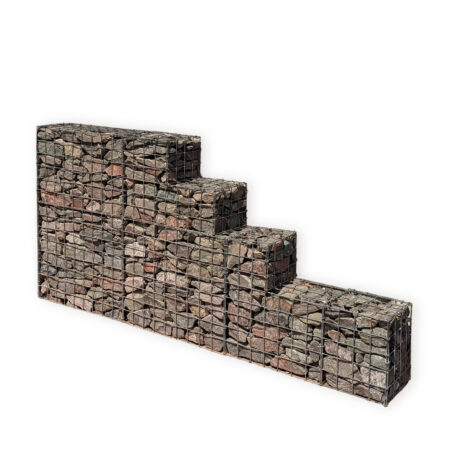
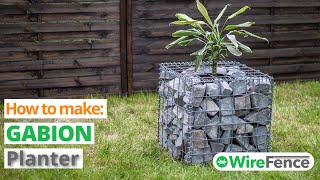
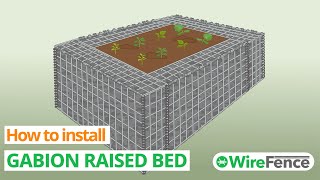
Gabion planters used as flower beds, plant beds and a large range of decorative features by landscapers and gardeners.
Manufactured in the UK to BS EN standards

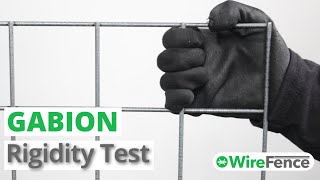
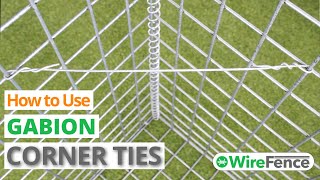
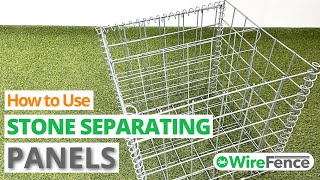

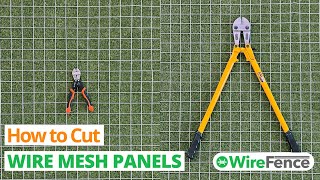
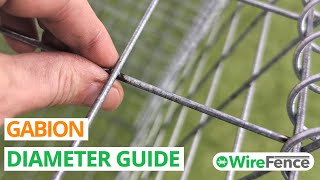
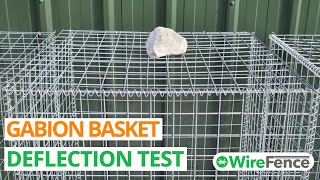
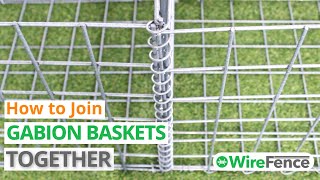


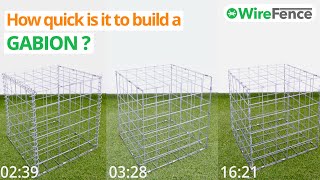

| 3mm Wire Diameter | 4mm Wire Diameter | 5mm Wire Diameter | |
| Planters | |||
| Can be walked on | |||
| Can be sat on | |||
| Use in public & commercial environments | |||
| No bulges when filled with rocks | |||
| General | |||
| Delivered as | Flat packed in small to large truck depending on order quantity | ||
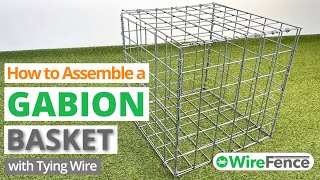
| Delivered with | Delivered with FREE tying wire | ||
| Also available | Helicals & corner ties | ||
| Can wires be cut | Yes – with a good wire cutter | ||
| Made in UK | Yes | ||
| Conforms to British manufacturing standard | BS EN 10223-8:2013 | ||
| Certificate of conformity | Yes – download | ||
| Construction | |||
| Mesh Hole Size | 75mm x 75mm | 75mm x 75mm | 75mm x 75mm |
| Mesh Material | Galfan coated steel | Galfan coated steel | Galfan coated steel |
| Mesh Construction | Welded | Welded | Welded |
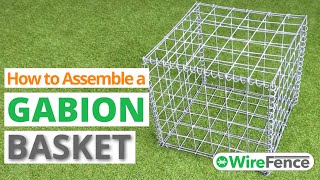
| Gabion panels joined together by | Stainless steel C Clips | ||
| Inside Compartment | Not included, DIY instructions below | ||
| Strength and environment | |||
| Tensile strength range | 540-770 N/mm² | 540-770 N/mm² | 540-770 N/mm² |
| Corrosion resistance | Yes, conforms to British standard BS EN 10244-2:2009 | ||
| Abrasion resistance | Conforms to EN 60229:2008 | ||
| Life Expectancy | 50 – 100 years | 50 – 100 years | 50 – 100 years |
| Suited to Environments | C2 – C4 | C2 – C4 | C2 – C4 |
| Disclaimer | Using iron-rich stone in coastal environments may lead to apparent rust on the gabion, resulting from the iron ore leaching out of the stones and onto the wires. | ||
| Rocks / Filling / Installation | |||
| Speed of installation | 2-5 mins each | ||
| Experience required to install | Easy install | ||
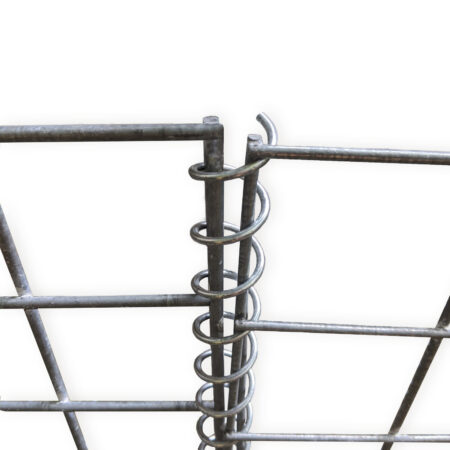
| Speed up installation | Helicals (ordered separately) – use on 4 vertical corners instead of tying wire. Can also be used to attach the cages together | ||
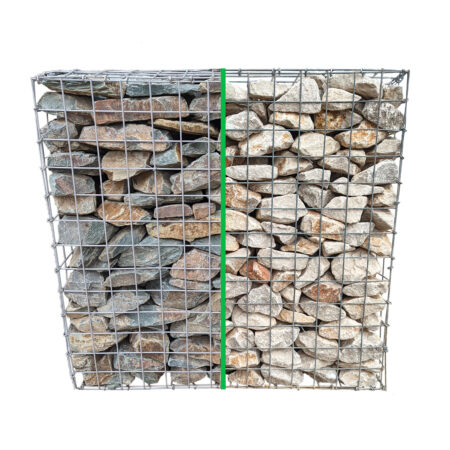
| Save money | Stone separating panel (ordered separately) – allows you to backfill the cages with cheaper stone or rubble | ||
| Prevent bulging | Corner ties (ordered separately) – will brace the corners of the baskets together reducing bulging caused by rocks putting pressure on the metal panels | ||
| Rock size required | Minimum 80mm x 80mm | ||
| Requires angular, interlocking rocks | |||
| Can be filled with crushed concrete | |||
| Can fill with rounded rocks | |||
What are gabion planters for?
They are sturdy metal baskets, which are filled with stones to create a landscaping feature for your garden.
What do you fill these planters with?
They can be filled with various materials, including rubble, stones, and hard-core, with a layer of decorative stone at the front. Filling materials should be over 75mm in diameter to make sure they stay in the cage.


Wire Fence is part of the Super Magic Bean group - VAT Registered: 344 7643 83 - Company Registration No: 11290483