Cattle Panels

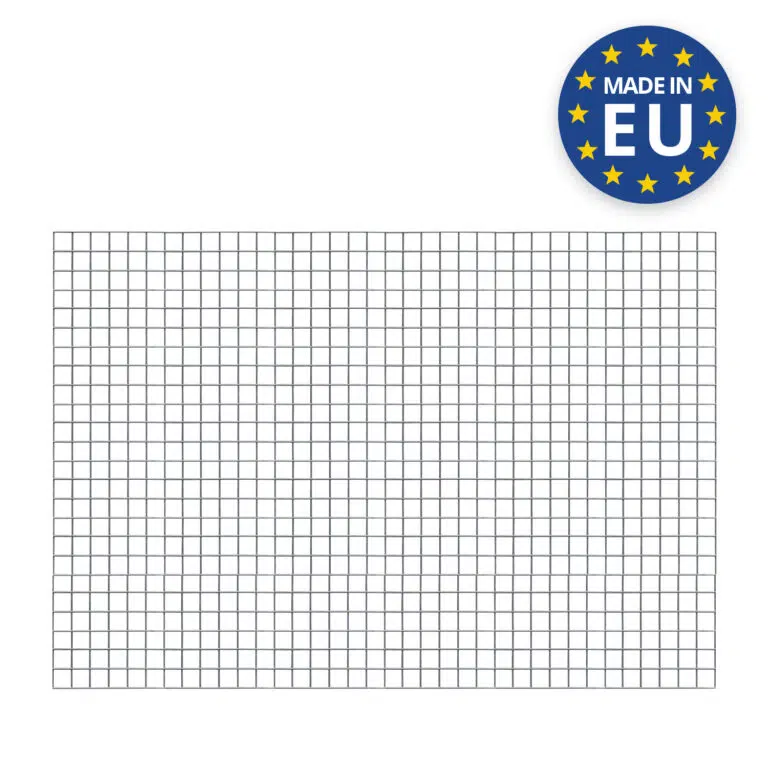
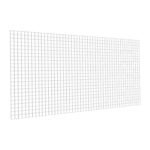
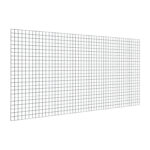
ISO certified cattle panels are lightweight, rigid and sag resistant making them easy to handle and install. 

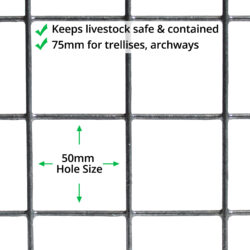
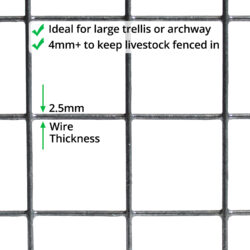
  • 4mm & 5mm to keep livestock fenced in
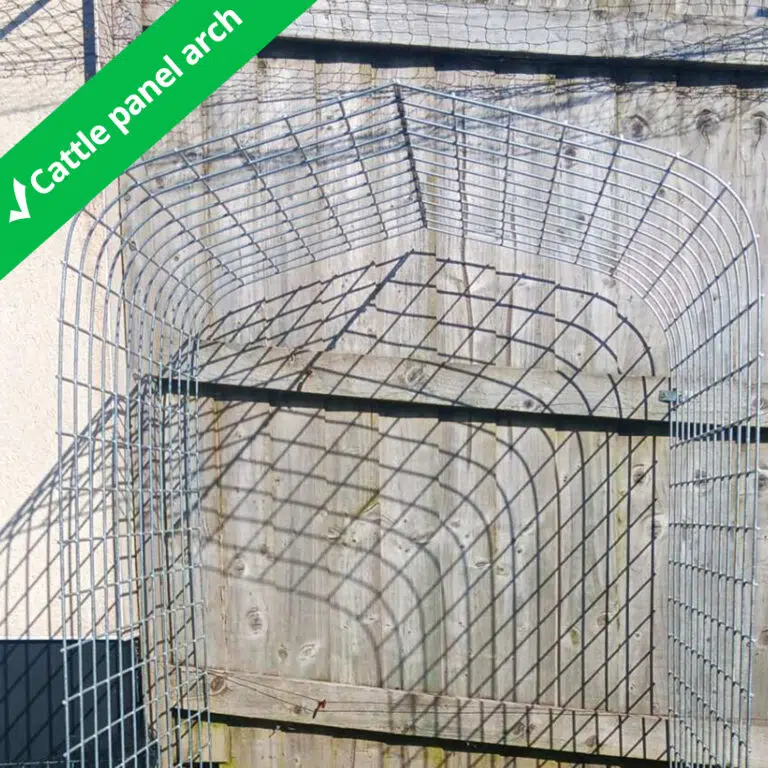
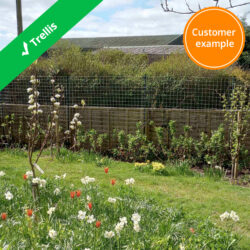
  • 2.5mm & 3mm cattle to make a large trellis or archway

Related: cut to size panels


Helpful Cattle Panel Information

Manufacturing Standards
made-in-eu british standards rust protection

Customer Images


Product Overview

Wire Diameter 2.5mm 3mm 4mm 5mm
Can be bent Refers to the ability of the mesh to be bent out of shape by hand
Holds shape when bent Confirms whether the mesh will hold its shape after bending it
Sags over time Refers to whether the mesh will droop over time if it is stood up
Trellis
– Popular
Garden archway
Cattle pens
Large cattle fields
Portable
Prevents cows chewing through?
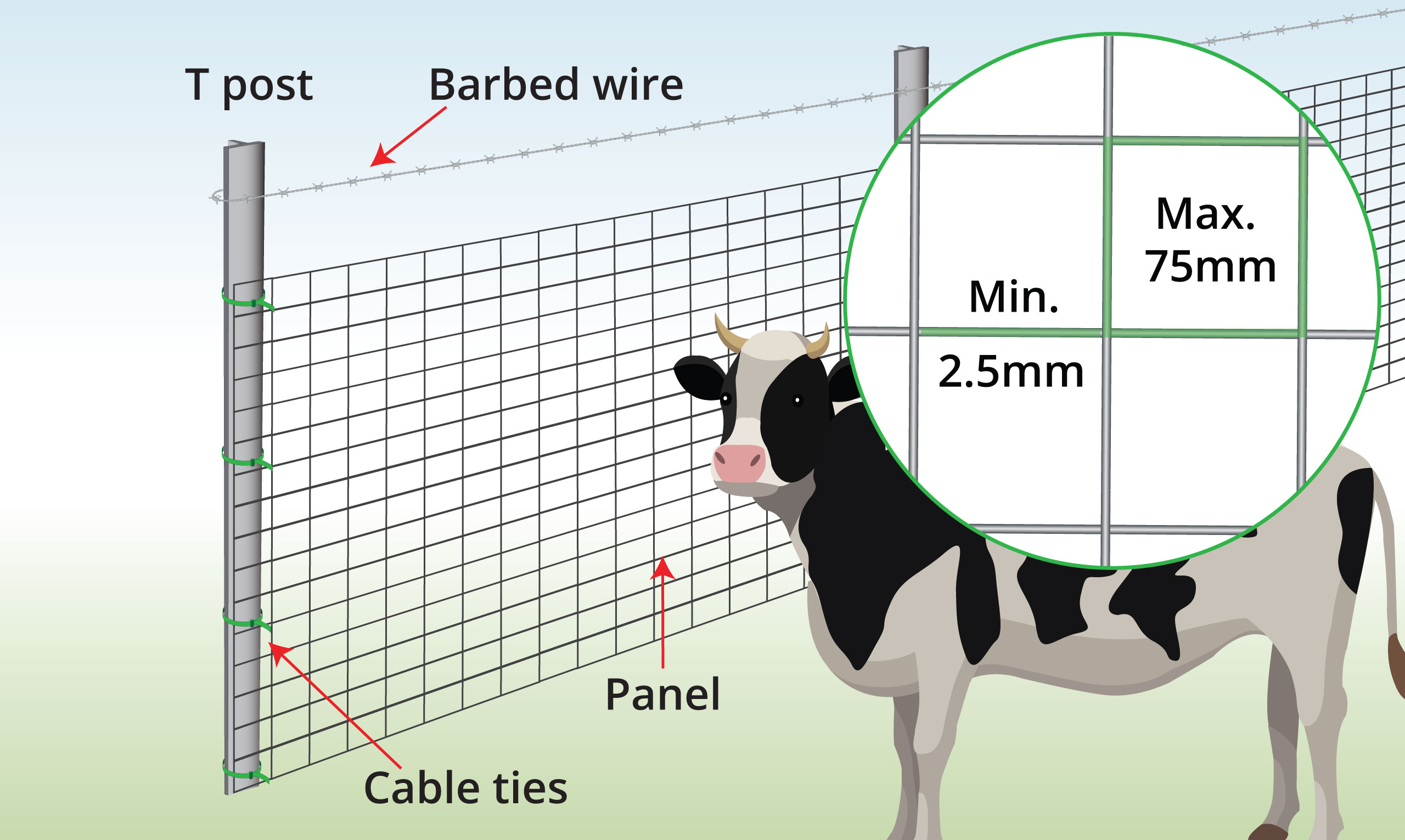
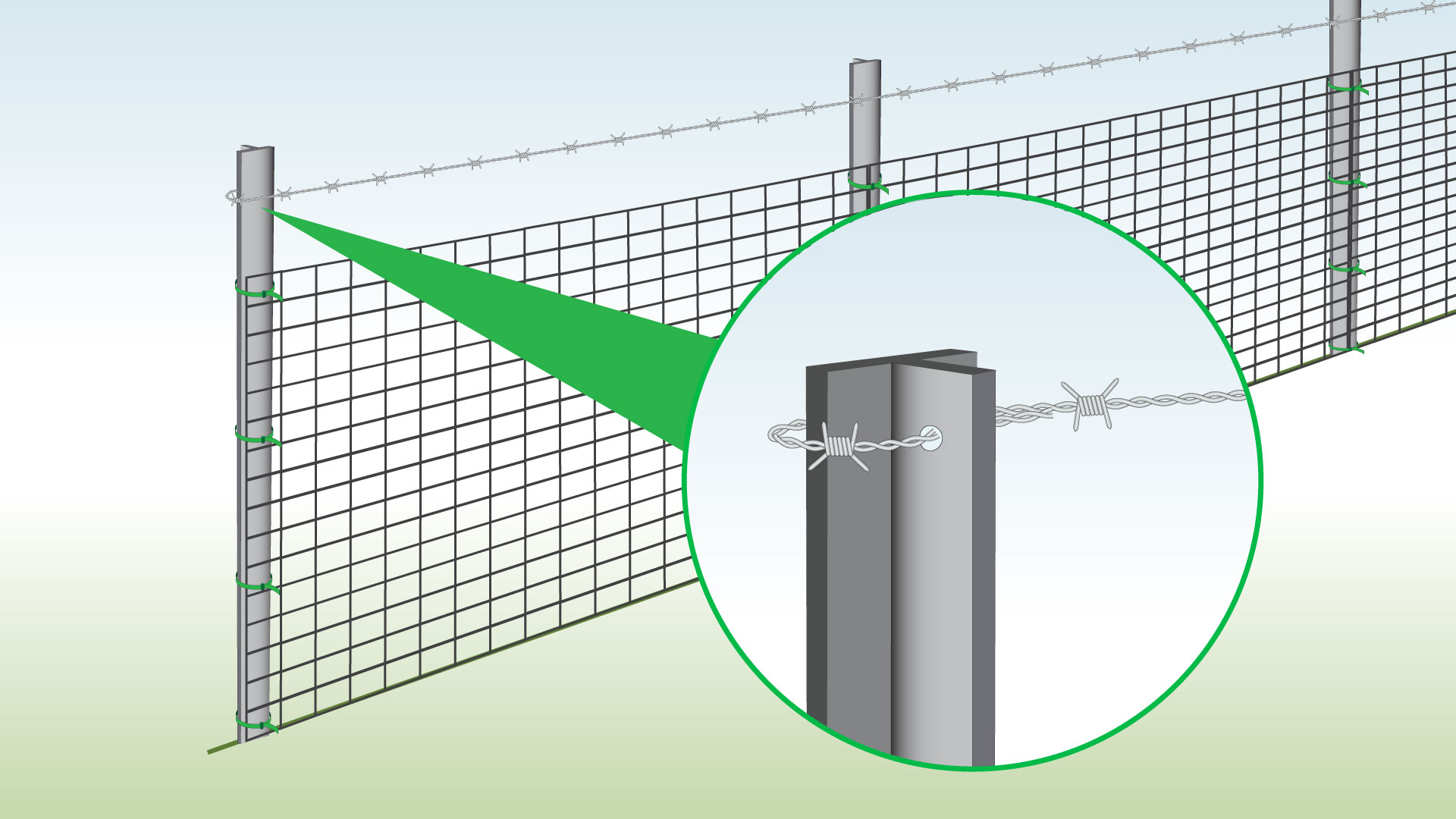
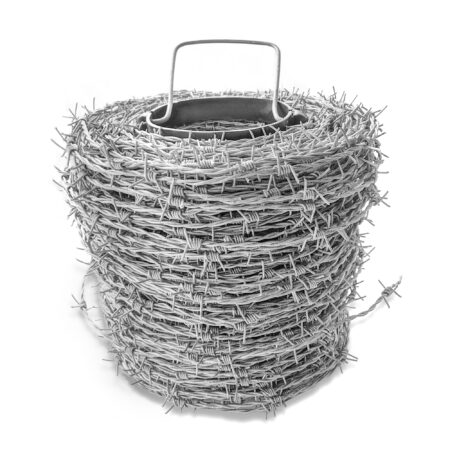
Prevents cows from pushing over?  Show Image Yes, if correctly installed. Add electric or barbed wire for extra protection.
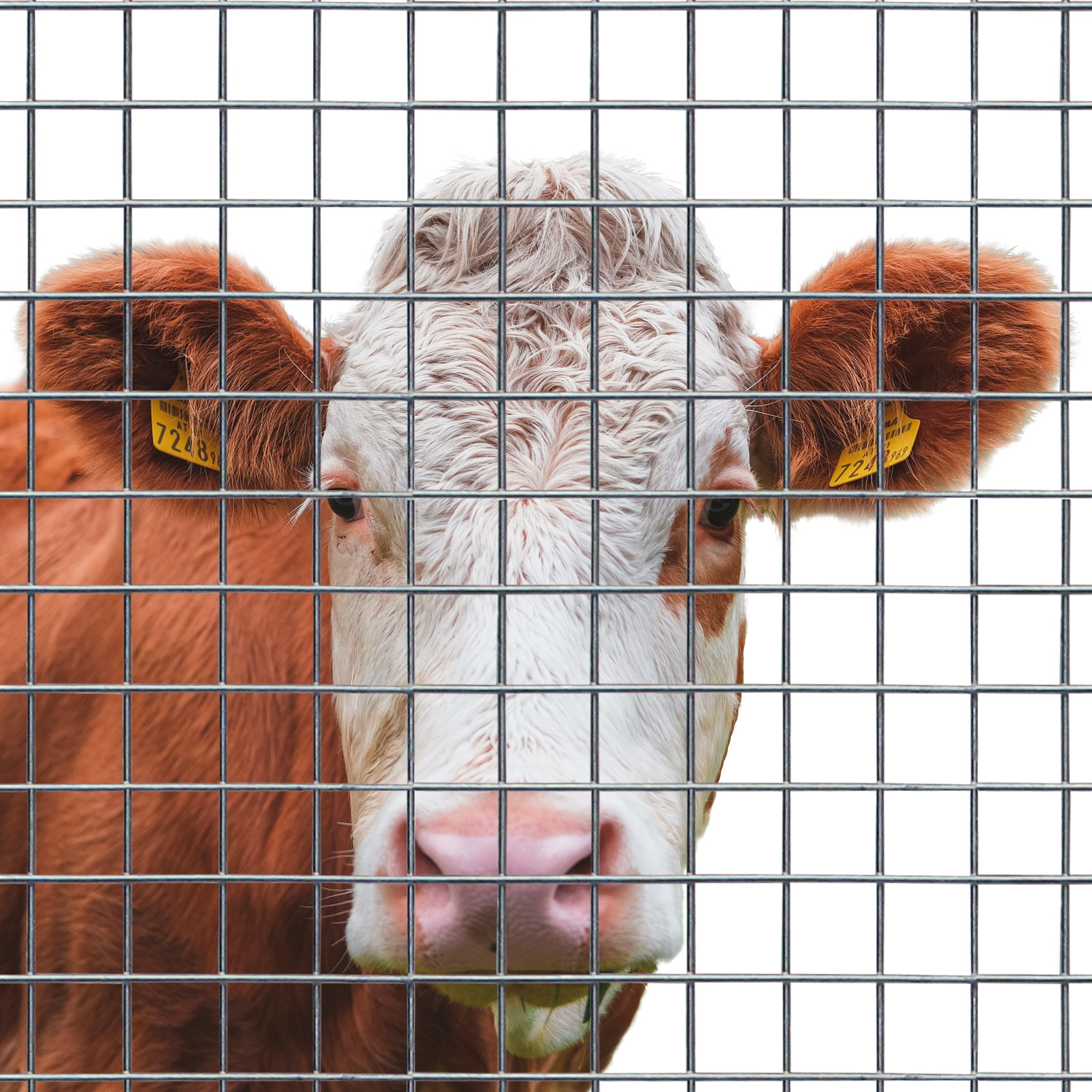
Prevents head poking through?  Show Image
Financial
Cost ££
Discounts for multi purchase
– viewable on product pages & automatically calculated for you during checkout
Save money See Cattle Fence for a cheaper alternative. The downside is that it is more difficult to handle and install.
General
Delivered as Shrink-wrapped panel. Heavy orders will be strapped to a pallet
Made in UK
Manufacturing Standards
– conforms to BS EN 10218-2:2012
– conforms to BS EN 10244-2:2009
– BBA certificate number: 05/4215 (Galfan panels only)
Construction
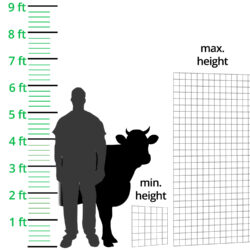
Maximum height availability 2.4m (8ft)
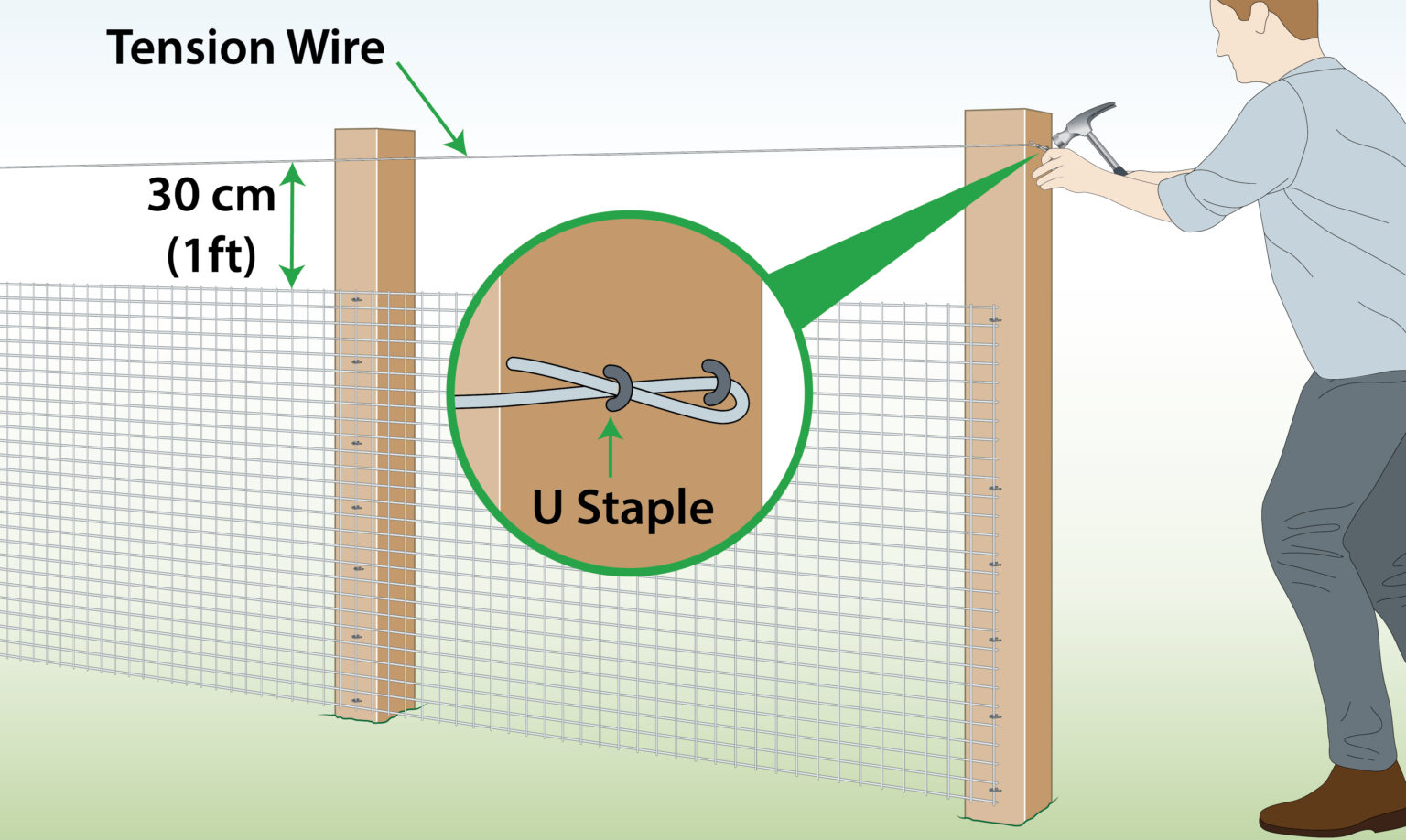
Add extra height Add a tension wire to increase the height (view instructions)
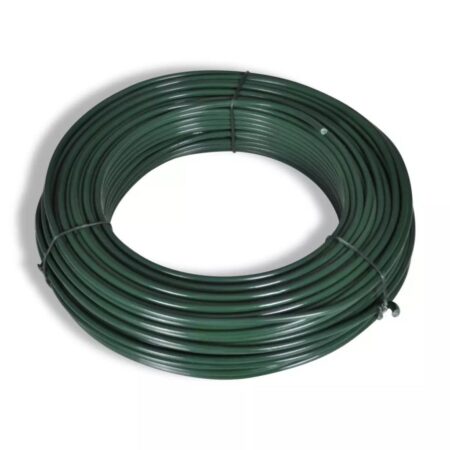
Mesh material Galvanised or Galfan coated steel (triple corrosion protection)
Mesh construction Welded
Hole size available 50mm x 50mm – 150mm x 75mm
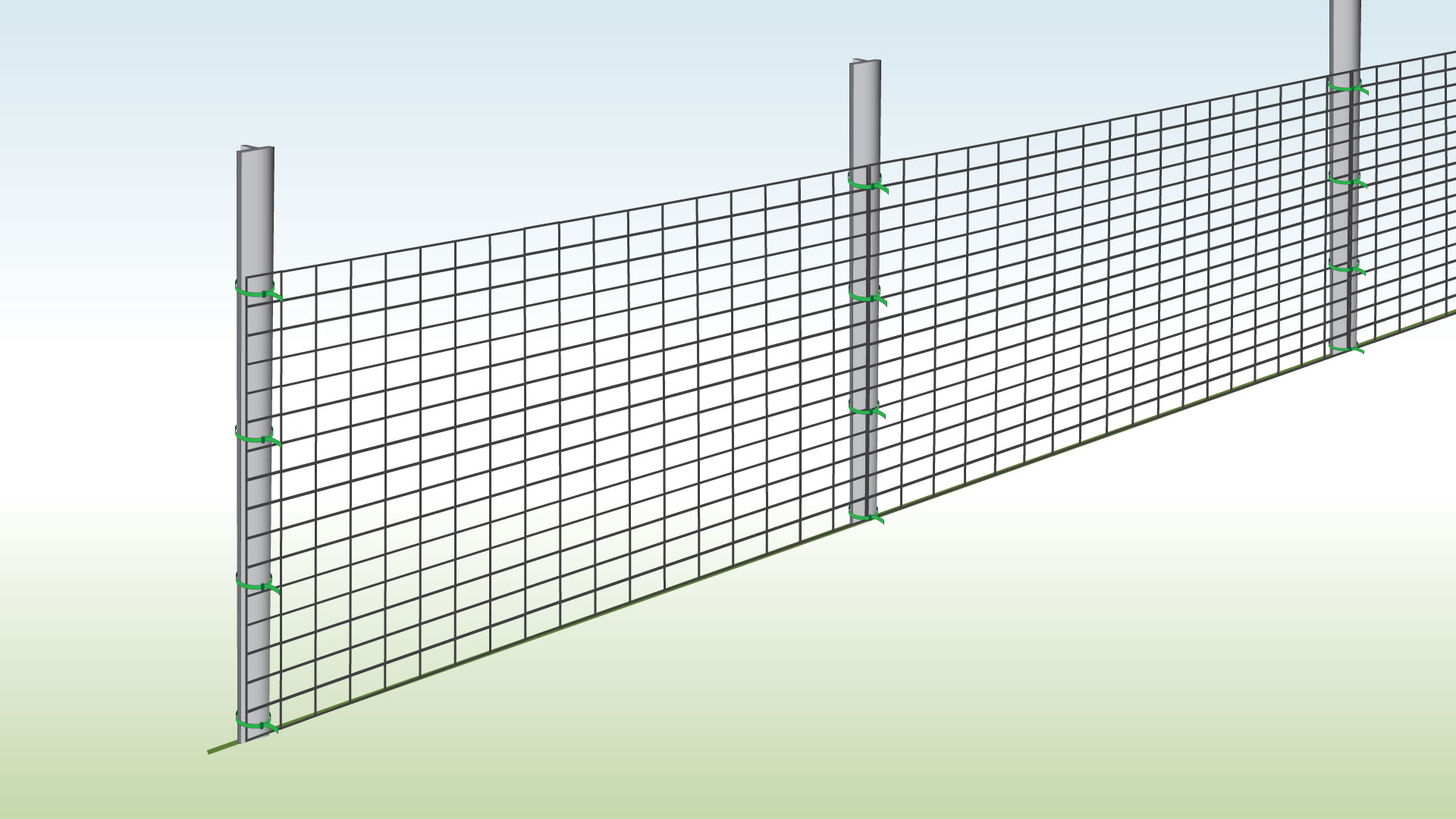
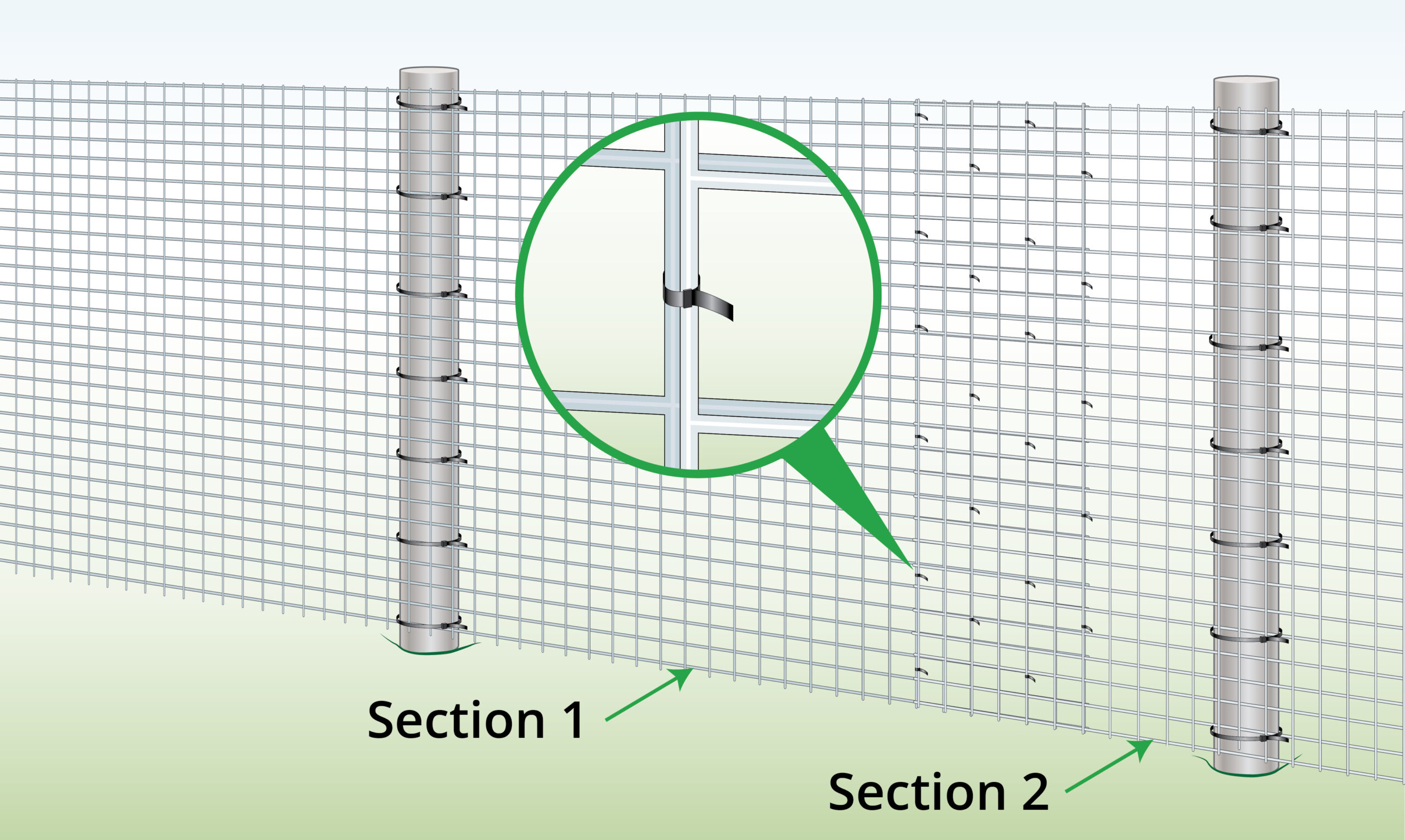
Length Can be joined together to create any length required  Show Image
Strength & environment
Corrosion resistant
– conforms to conforms to BS EN 10244-2:2009
Abrasion resistance Very good
Suited to Environments C2-C4
Installation & maintenance
Speed of installation

Very quick

Experience required to install None
Can be installed with wooden posts?
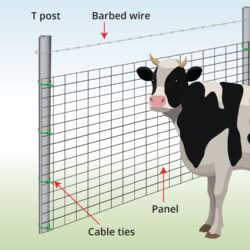
Can be installed with T Posts?
Distance between posts
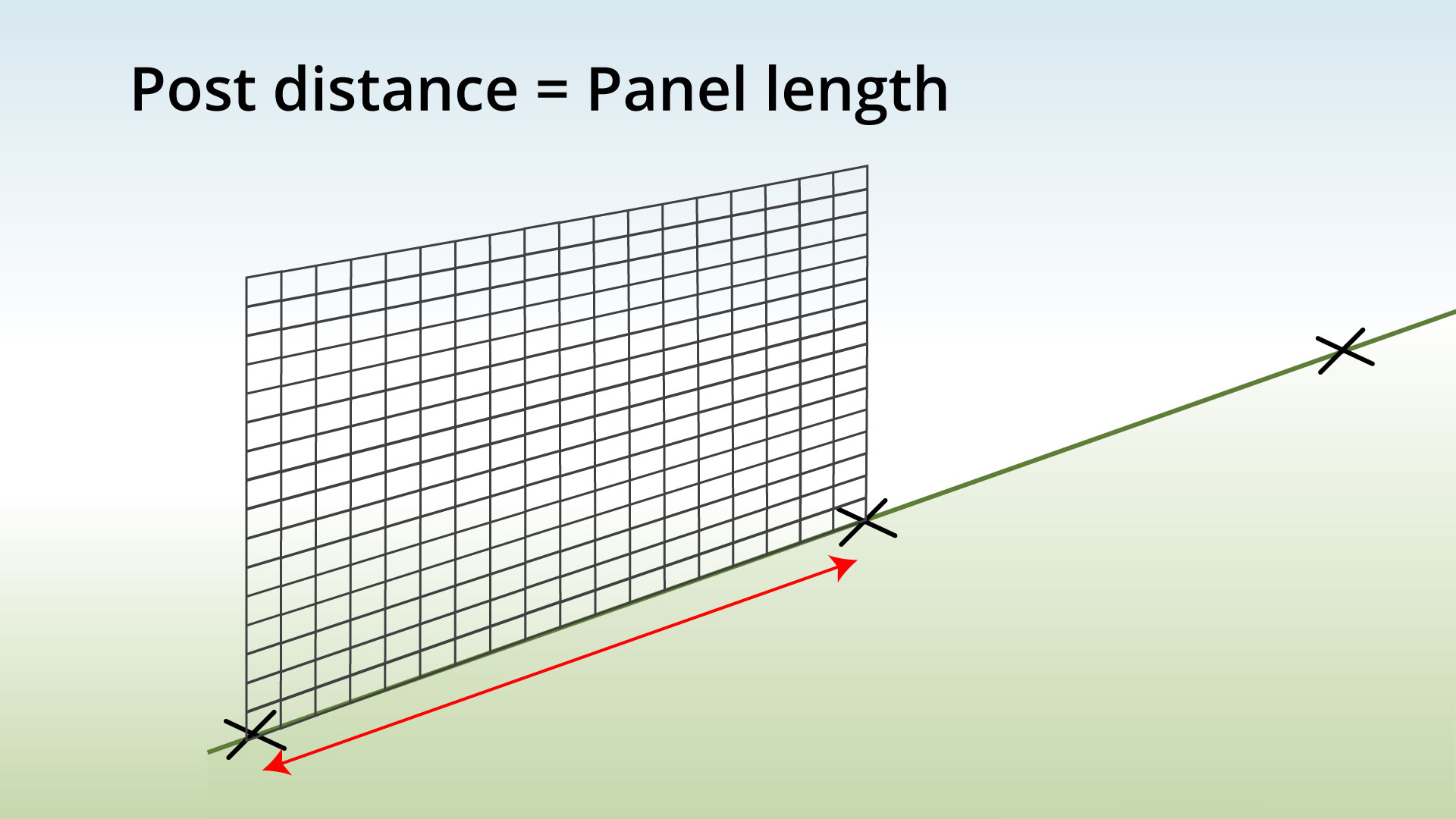
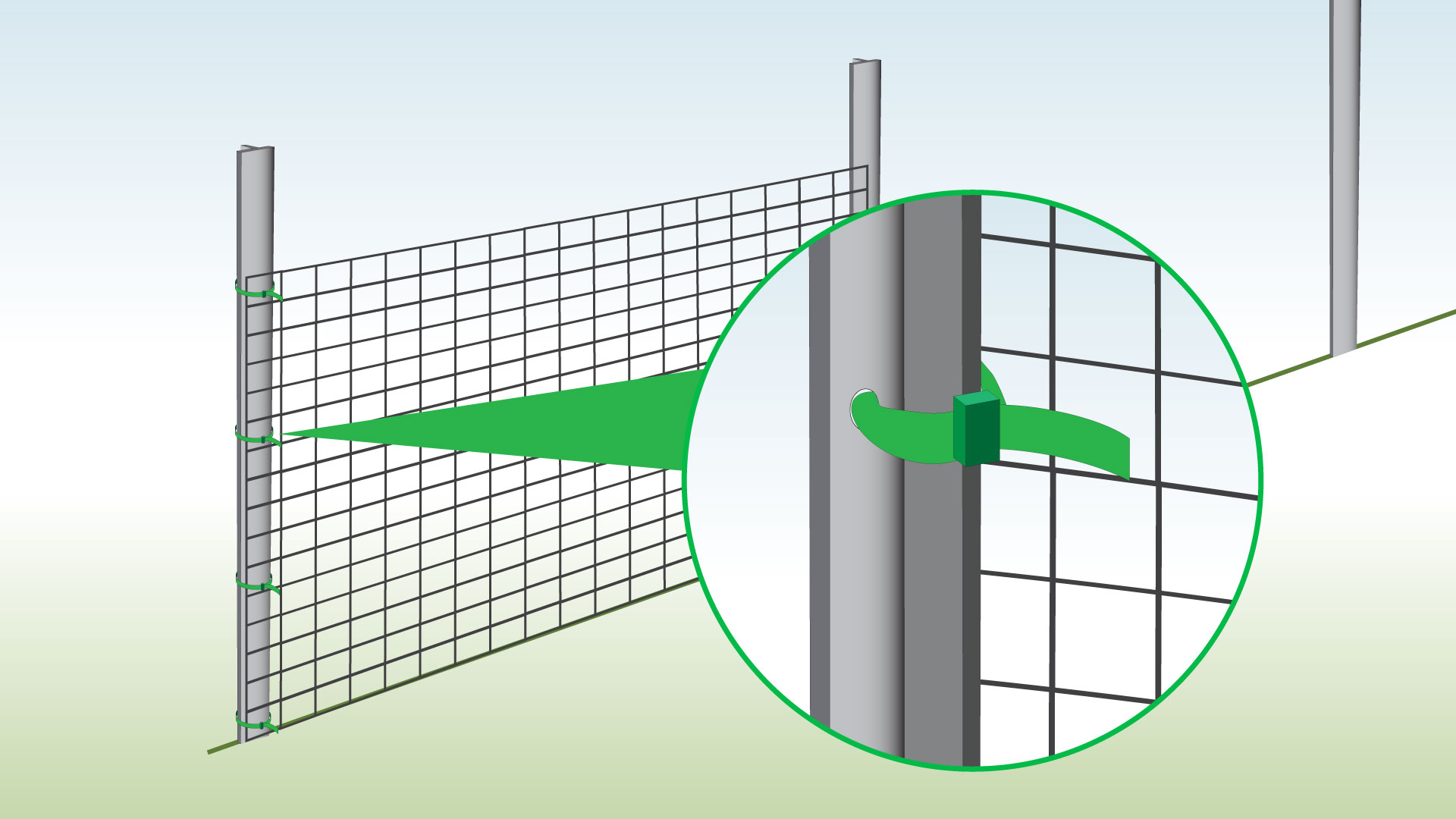
  • If installing from scratch, space the posts the same distance as the length of the panels. Show Image If attaching to existing posts, you can attach the panels together to increase the length if required  Show Image
Can stand alone without posts?
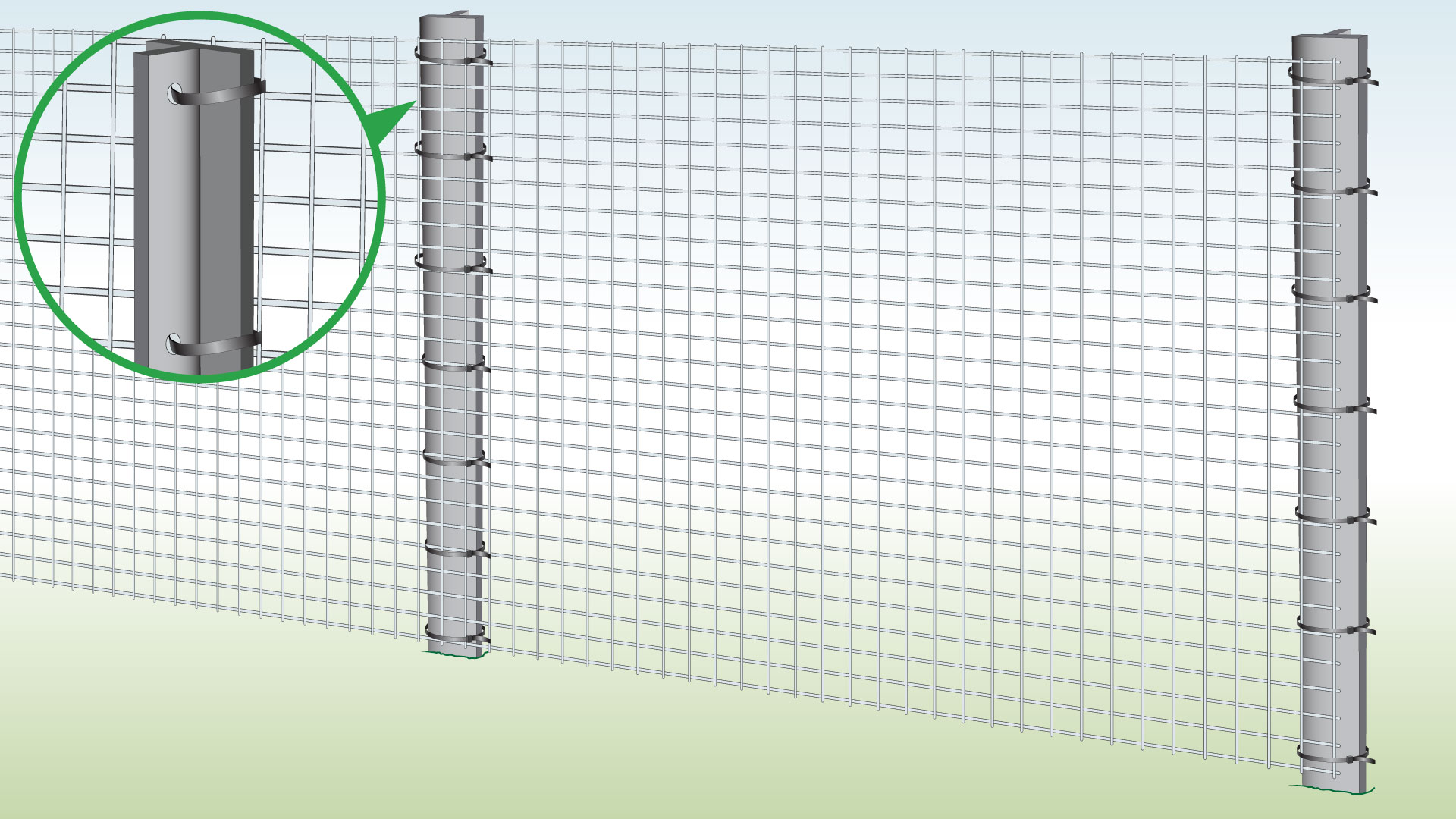
Join together using Cable Ties
Can be cut using Refers to the tool that is required as a minimum to cut the mesh Bolt Cutters Mini Bolt
Cutters
Bolt Cutters Bolt Cutters
Requires protective glove for handling
– Recommended
Appearance
General look Metal mesh
Can be disguised Yes, can easily be covered by climbing plants up the mesh or using garden screening Show Image


Attachments  Video

Attach to: How to:
T Posts

(Cable ties)

attach-welded-wire-mesh-to-t-posts
Wood/
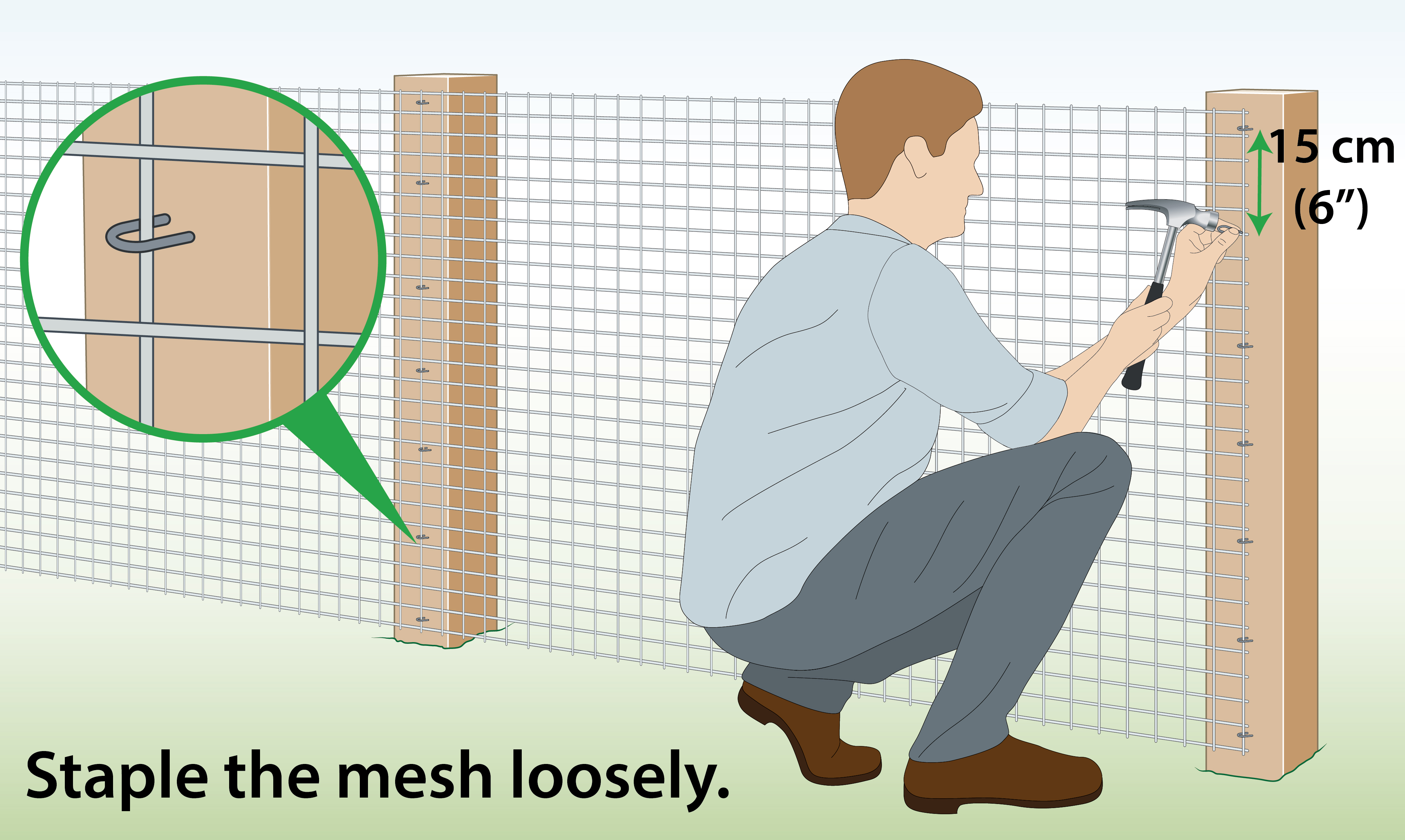
Wooden Posts (Staples)
Metal/
Metal Posts (Cable ties)
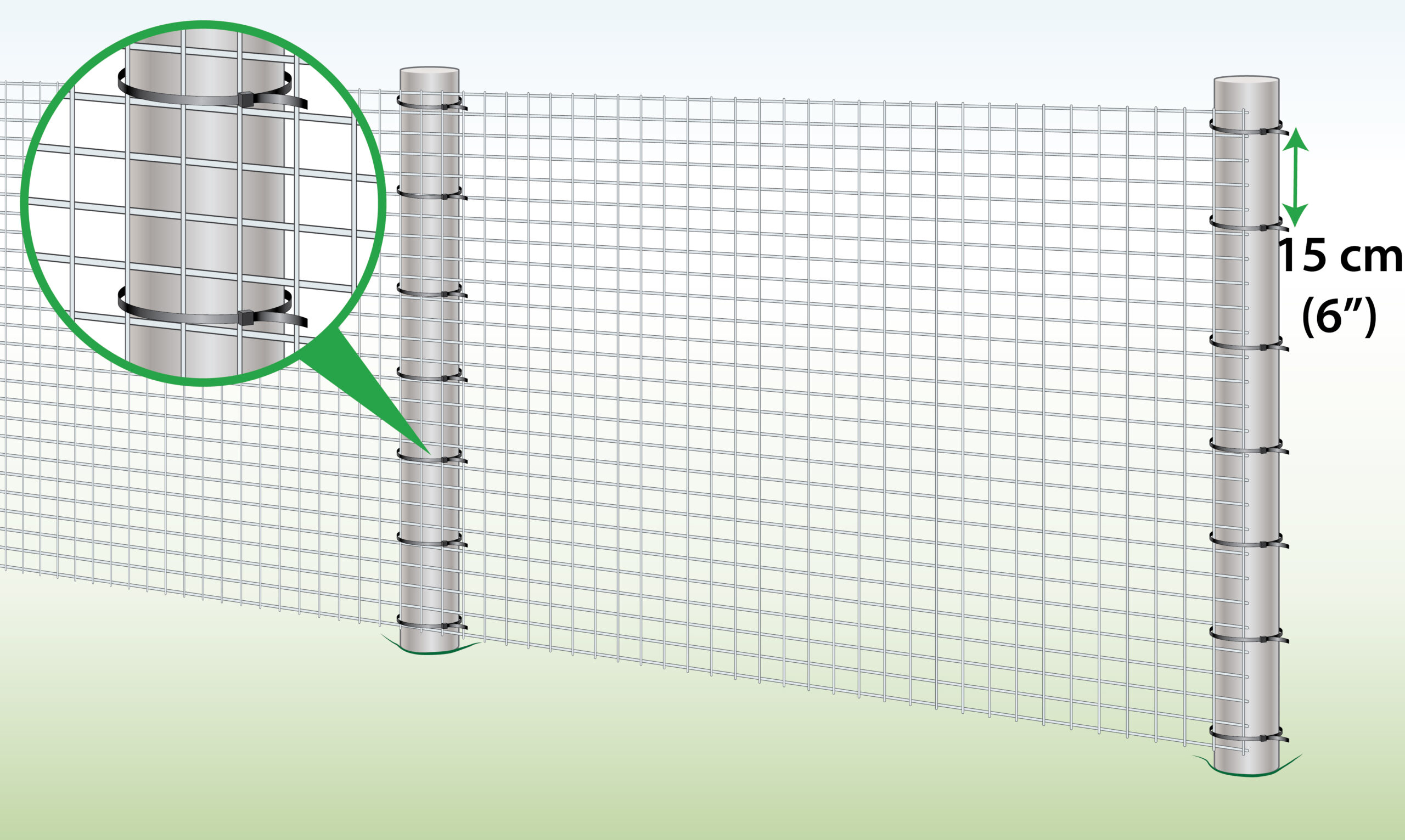
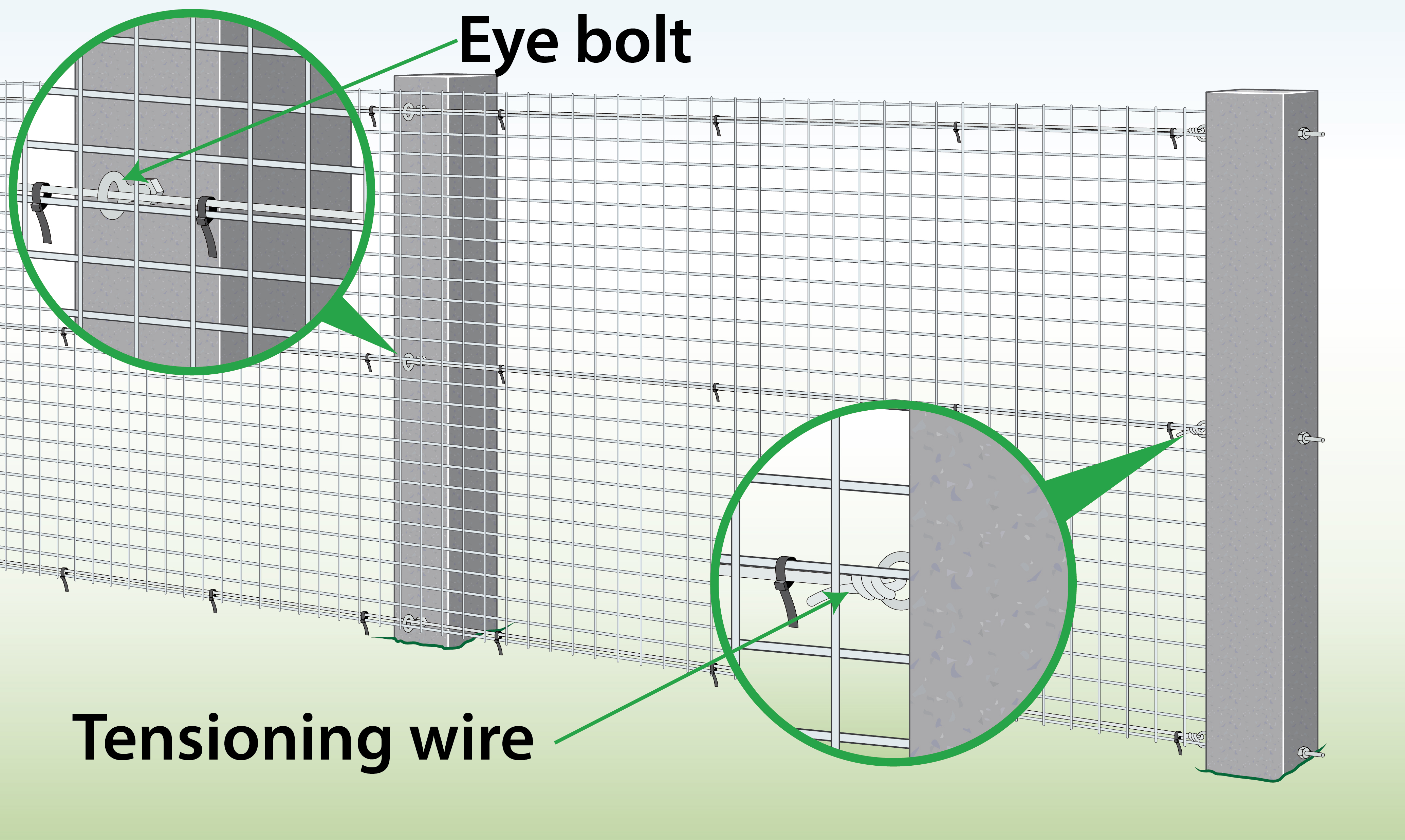
Concrete Posts

(Tension wire,
Eye bolts
)

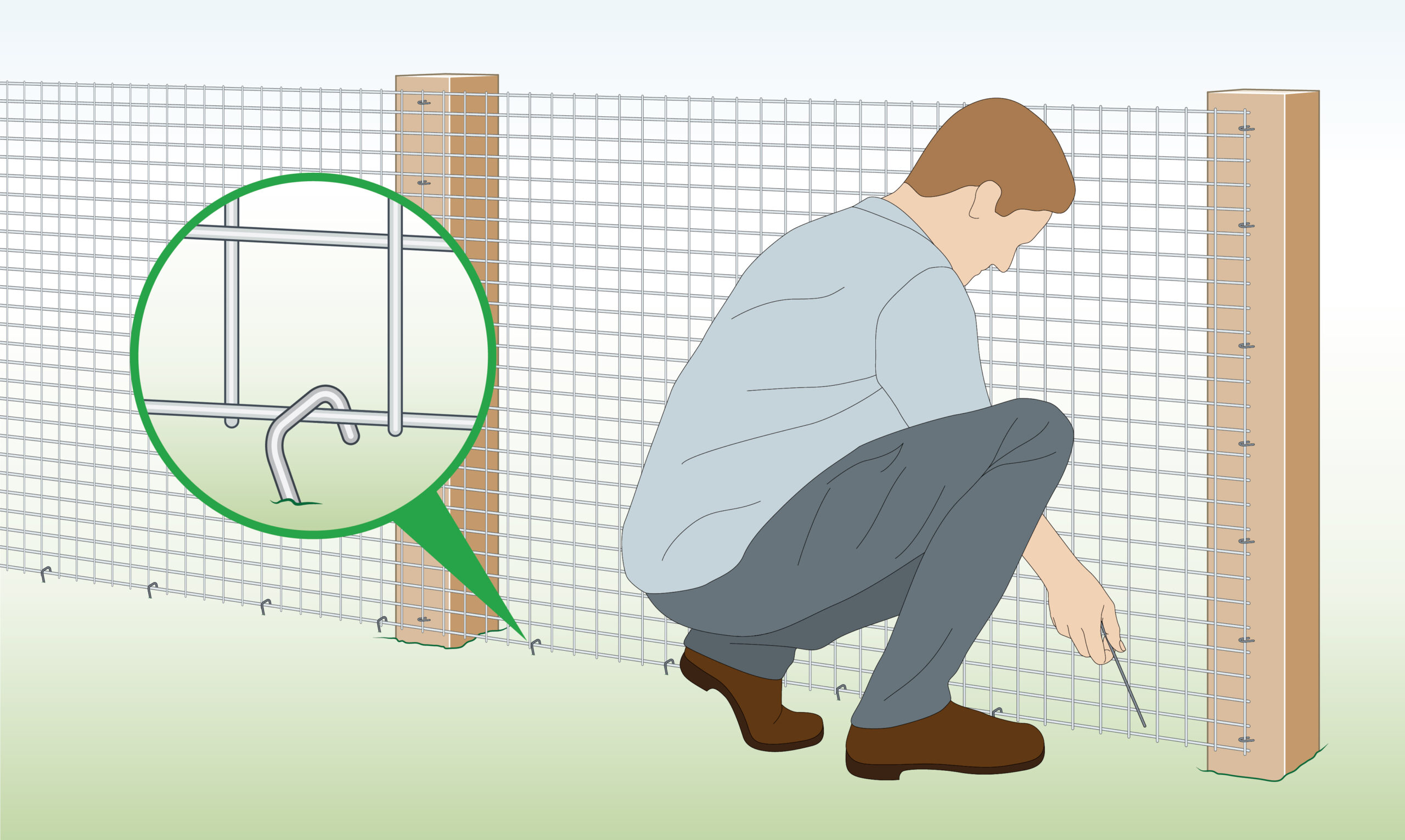
Soil

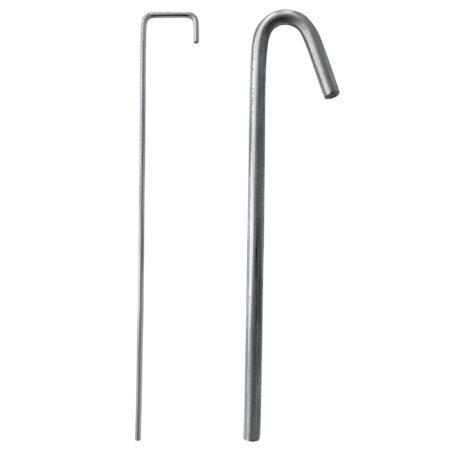
(Pegs)

Wire Fence

(Cable ties)


Installation Instructions  Video

  • Cattle Panel Trellis

  • Cattle Panel Fence

To Do Explanation
Completed Installation
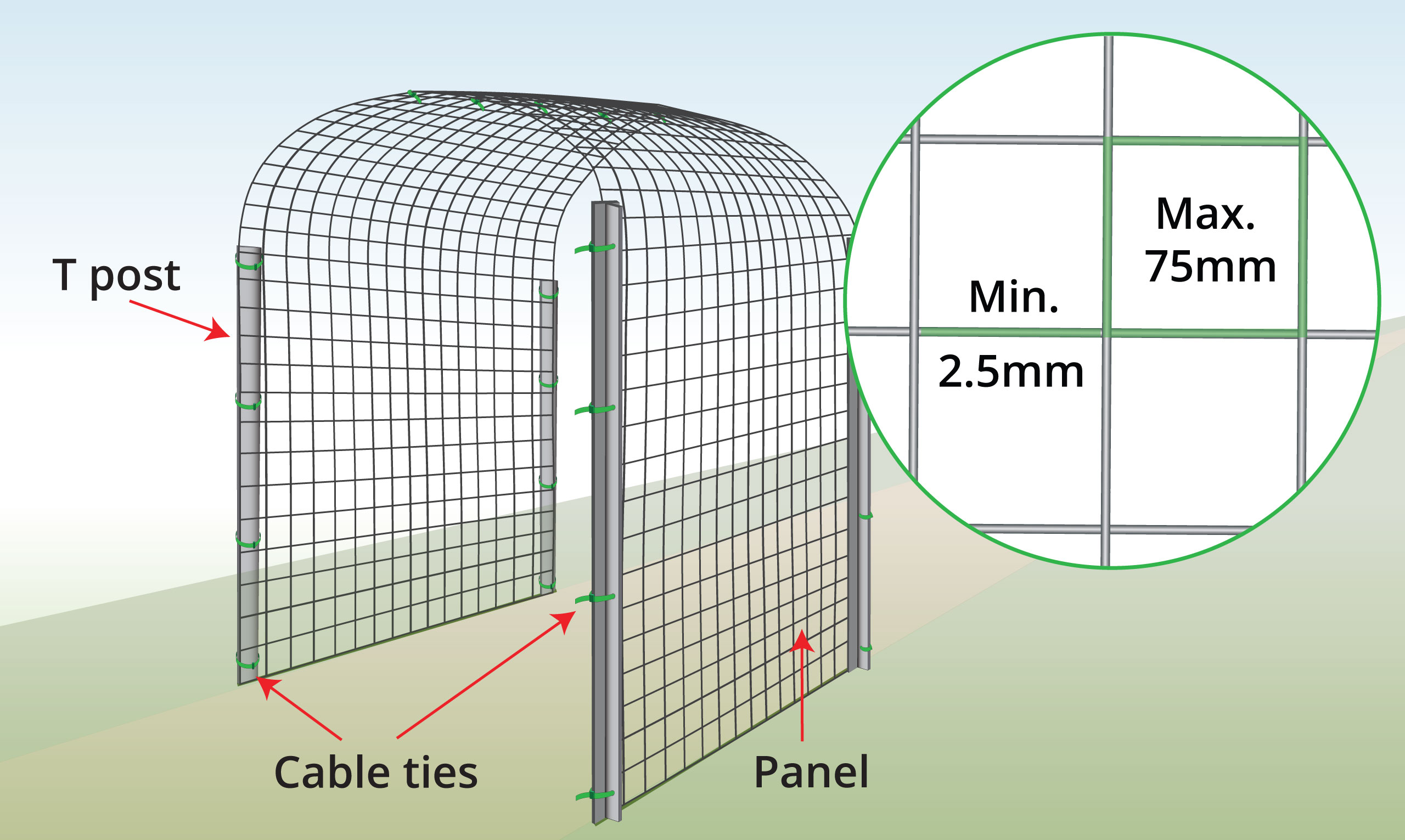
Cattle-panel-trellis-anatomy
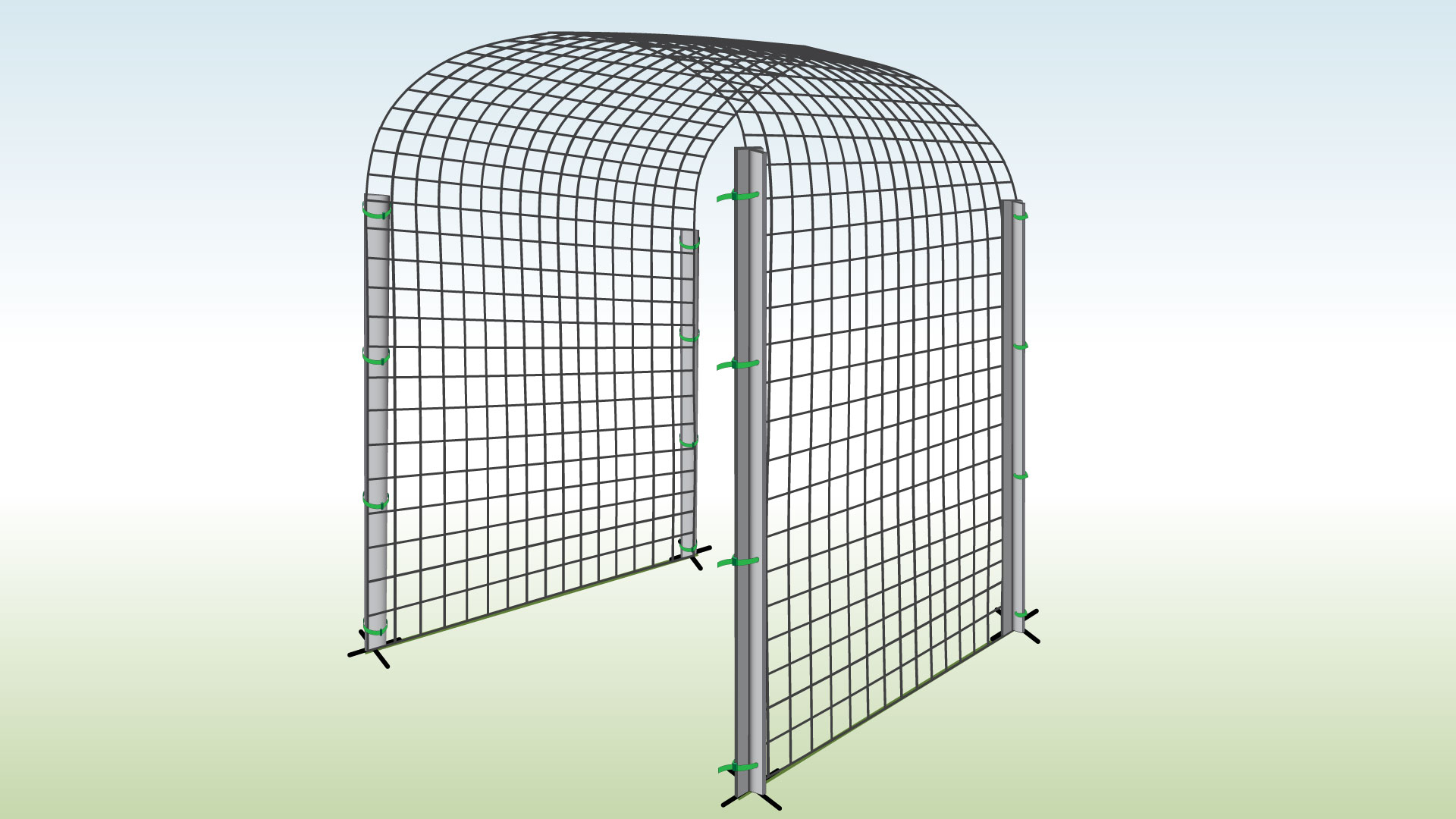
Drive T-posts into the ground, then secure each cattle panel to the posts, bending the top to create the arch shape, and finally fasten the two panels together with cable ties at the top.


Full instructions below or watch this video 

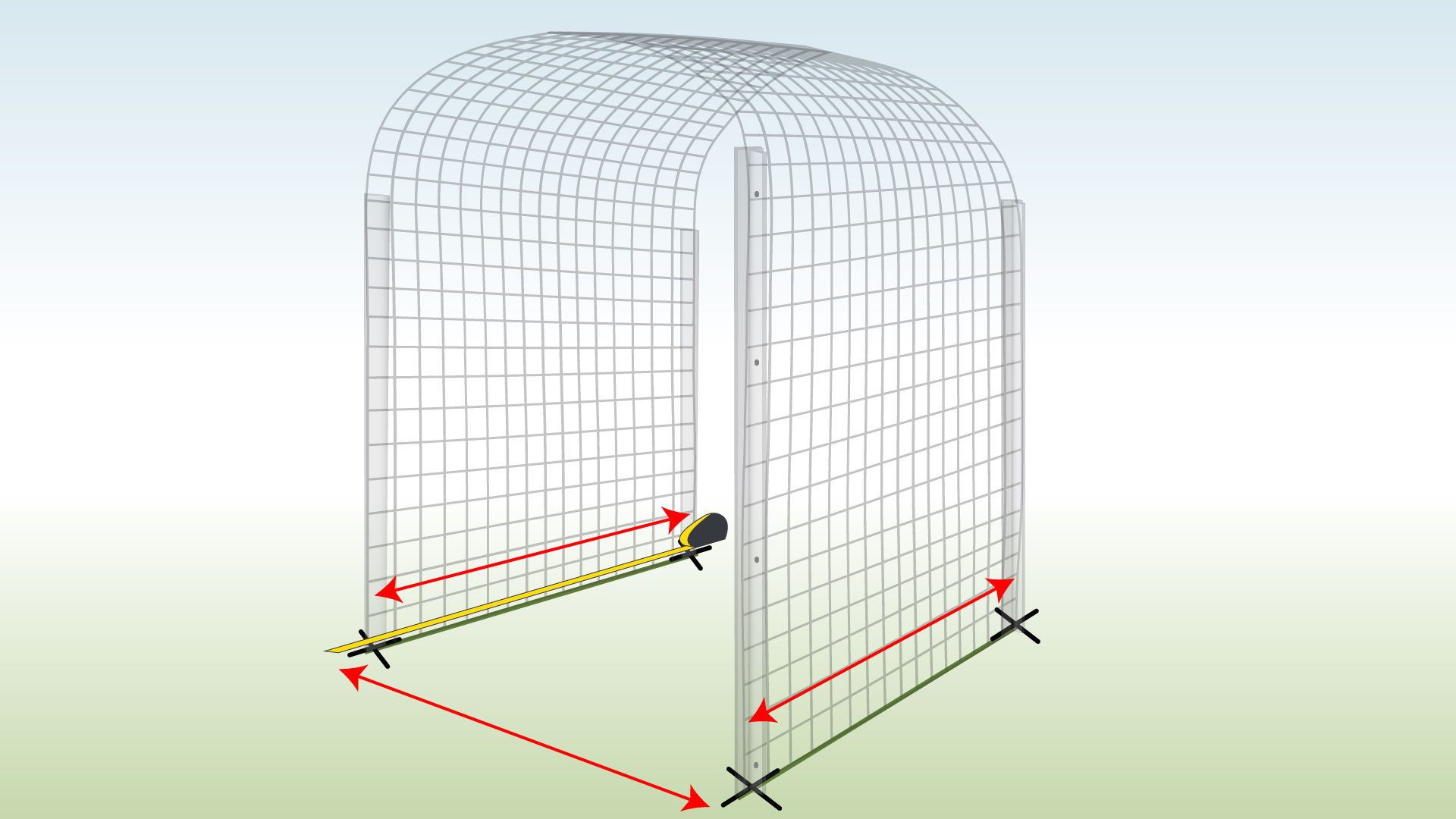
Step 1 – Measure Area & Mark Post Locations

measure-area-and-post-locations

Measure your area and mark your post locations according to your plan.
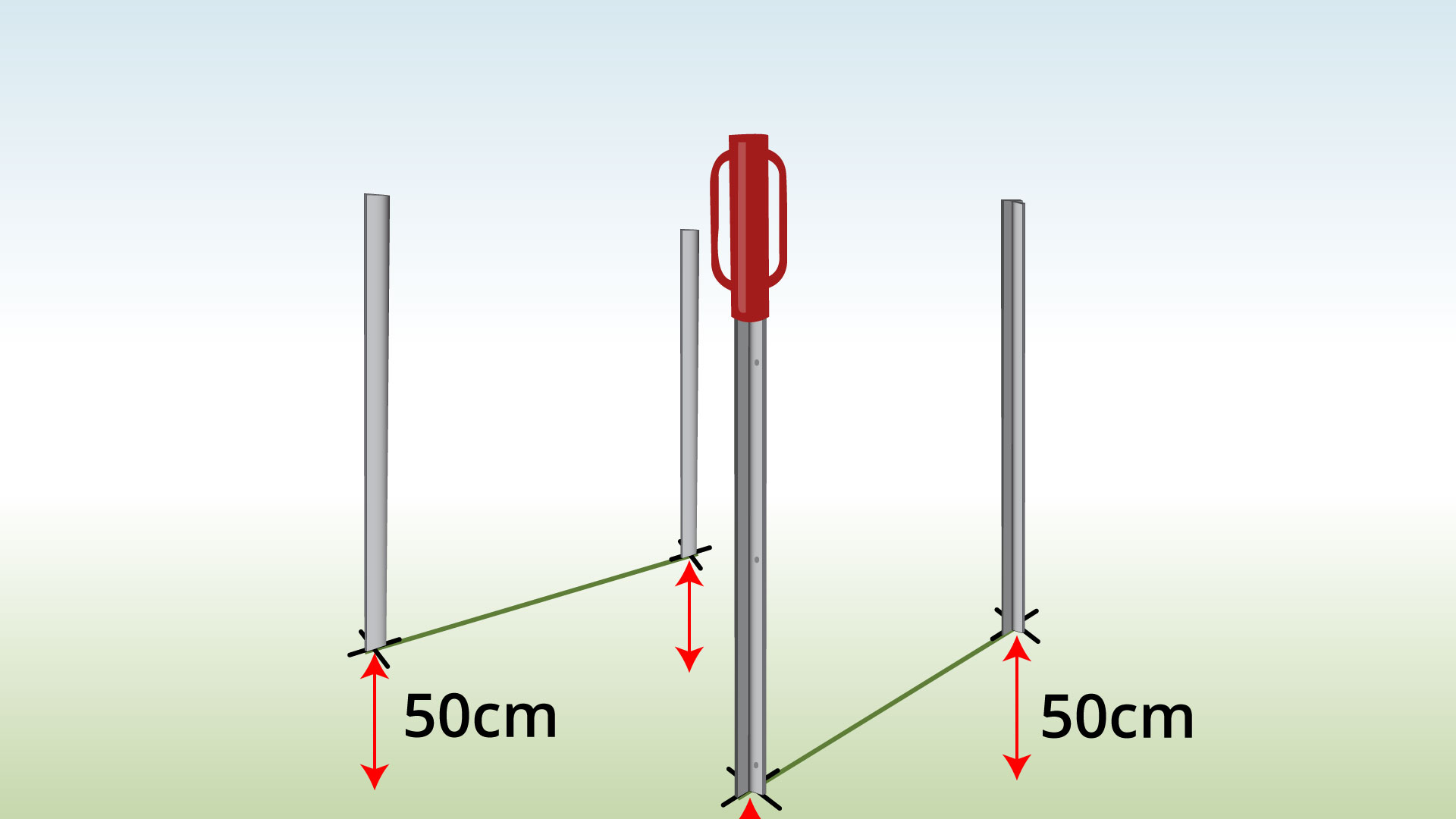
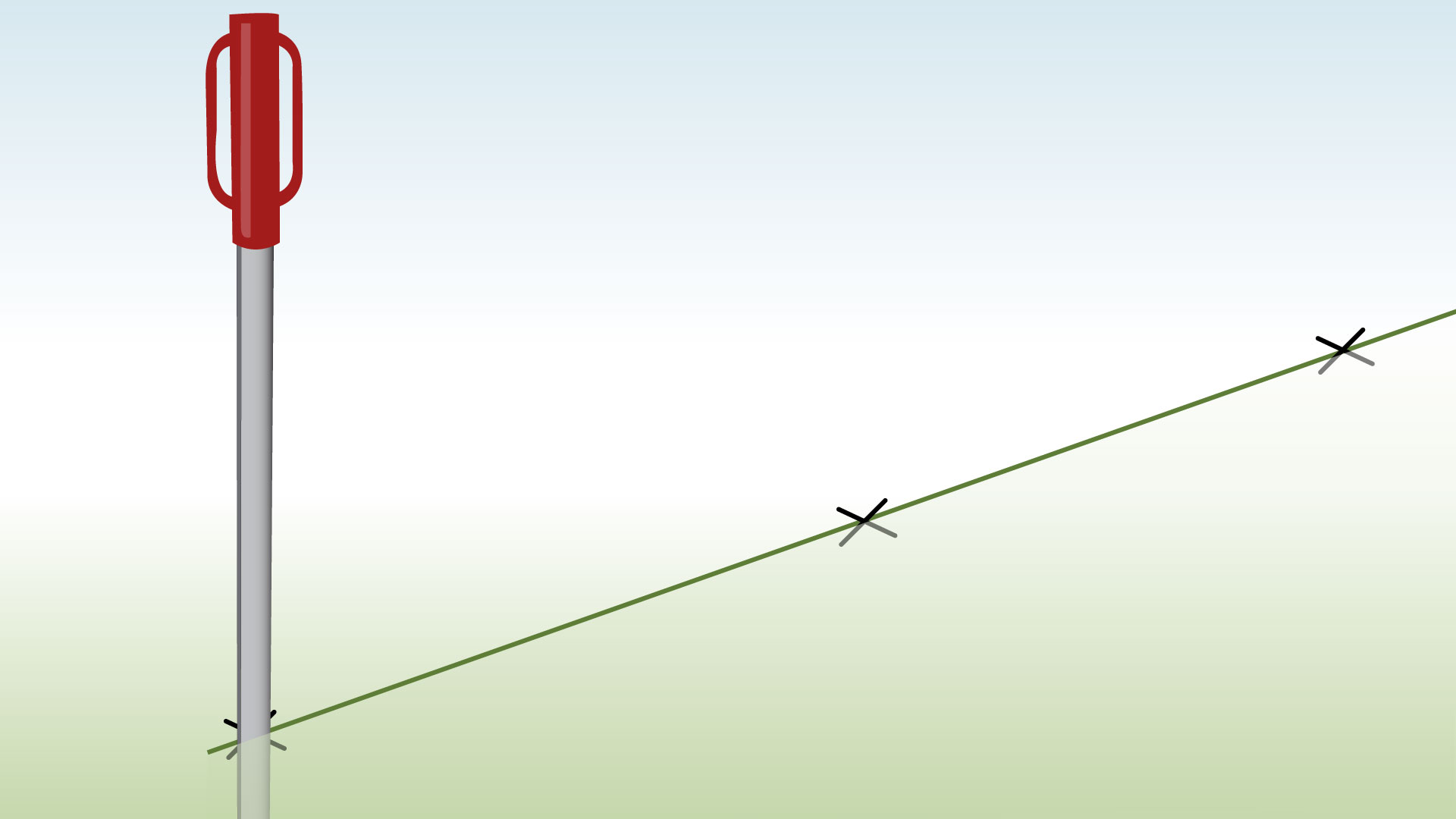
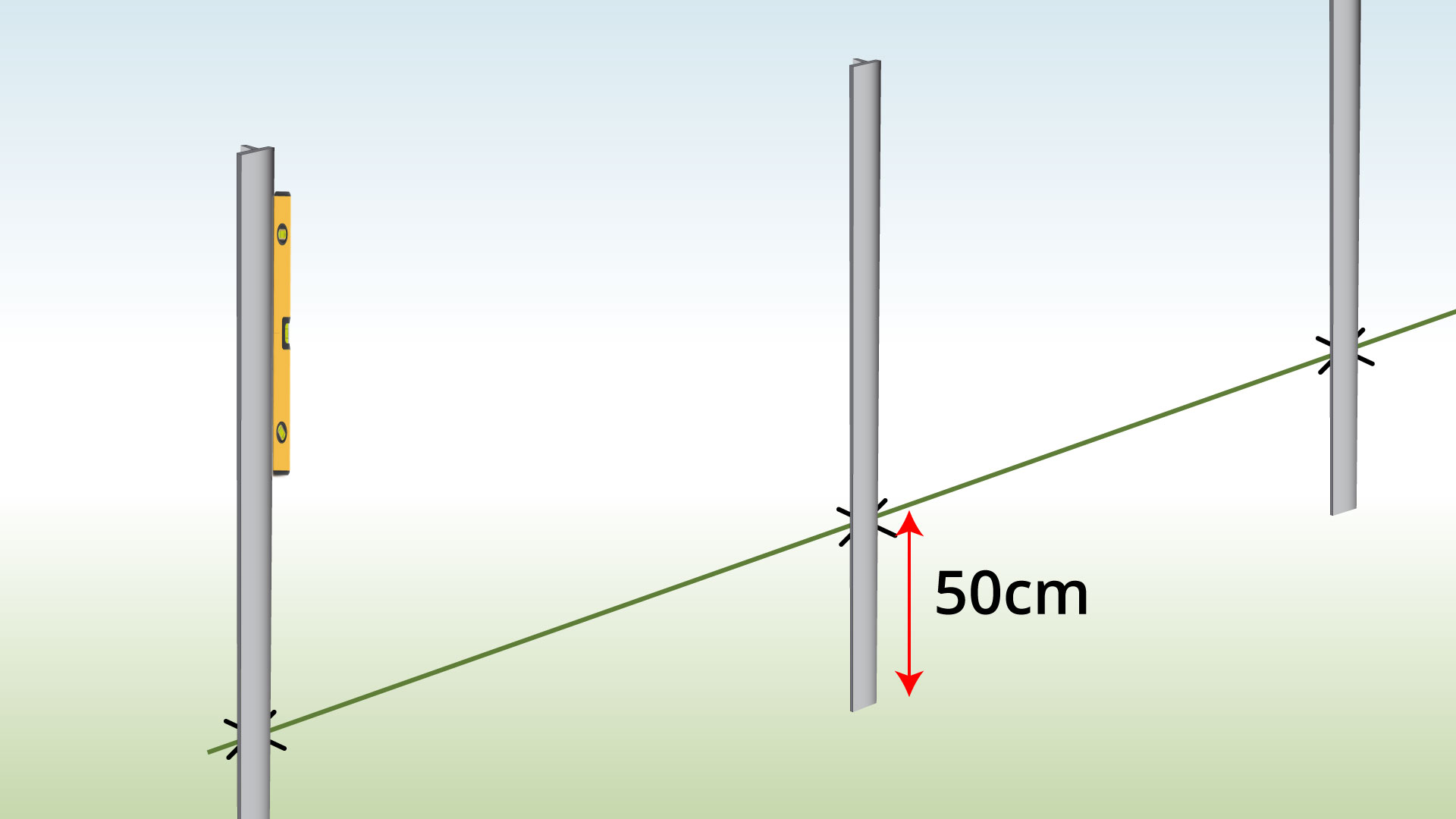
Step 2 – Install the Posts

install-cattle-trellis-posts

Drive your T posts at least 50cm into the ground, making sure the flat side of each post is facing inward.
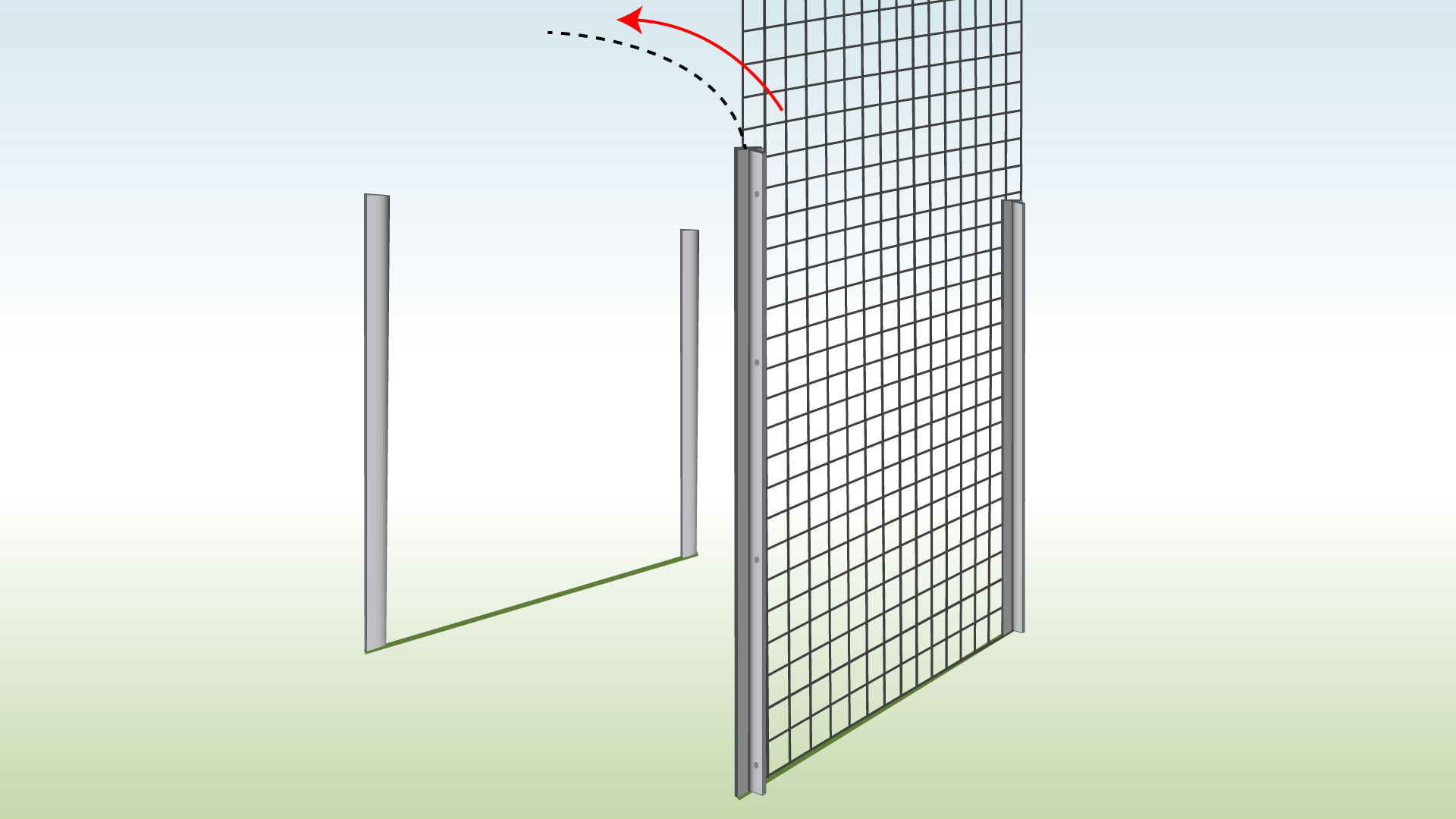
Step 3 – Bend Panel

bend-cattle-panel

Position one of the panels and bend the top to create an archway.
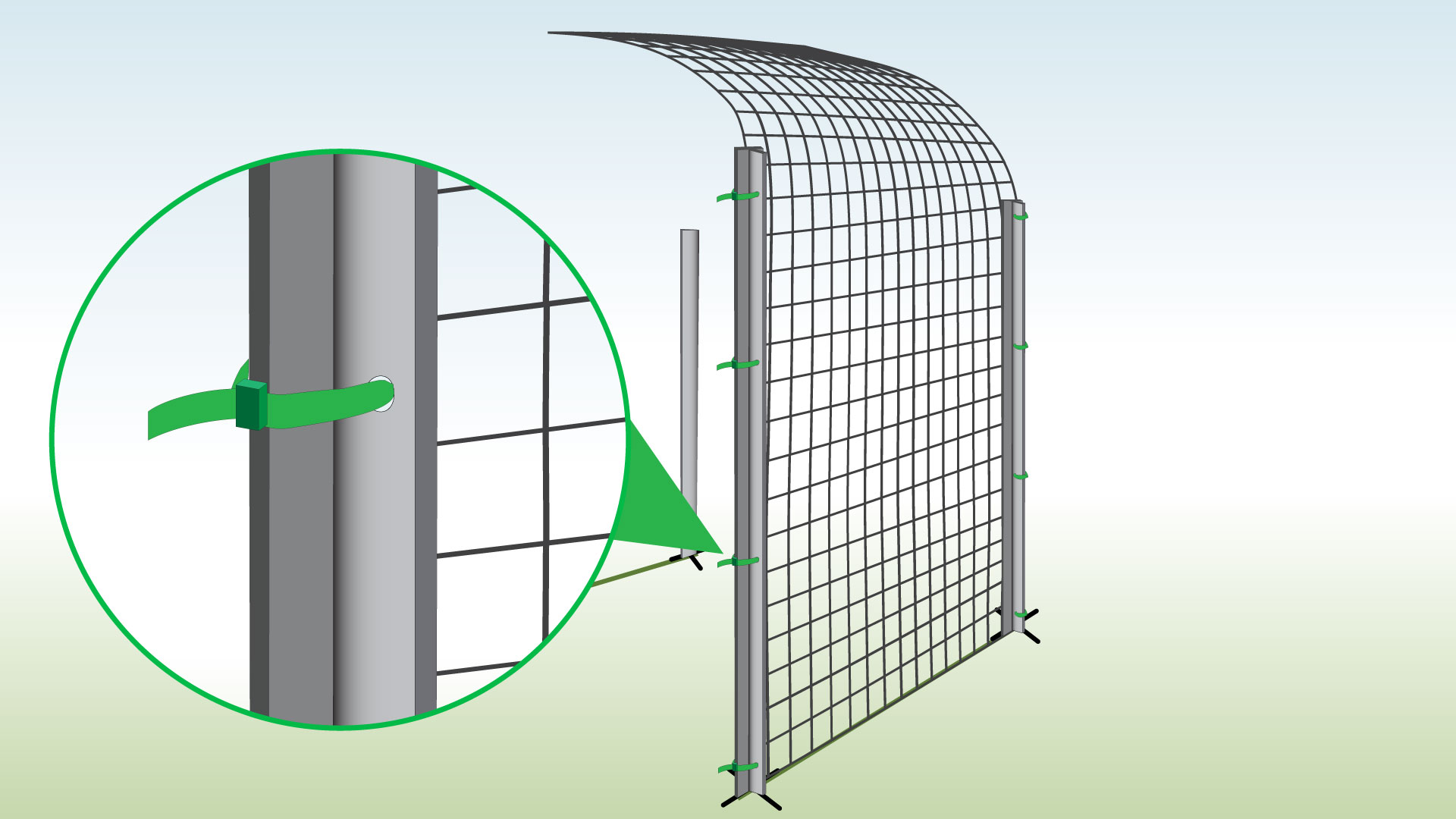
Step 4 – Secure Panel

position-first-panel

Secure it to the posts using cable ties through the pre-drilled holes.


Ensure the panel sits against the flat side of the post.

Step 5 – Position the Second Panel

repeat-securing-panel

Position and secure the second panel, repeating the same process.
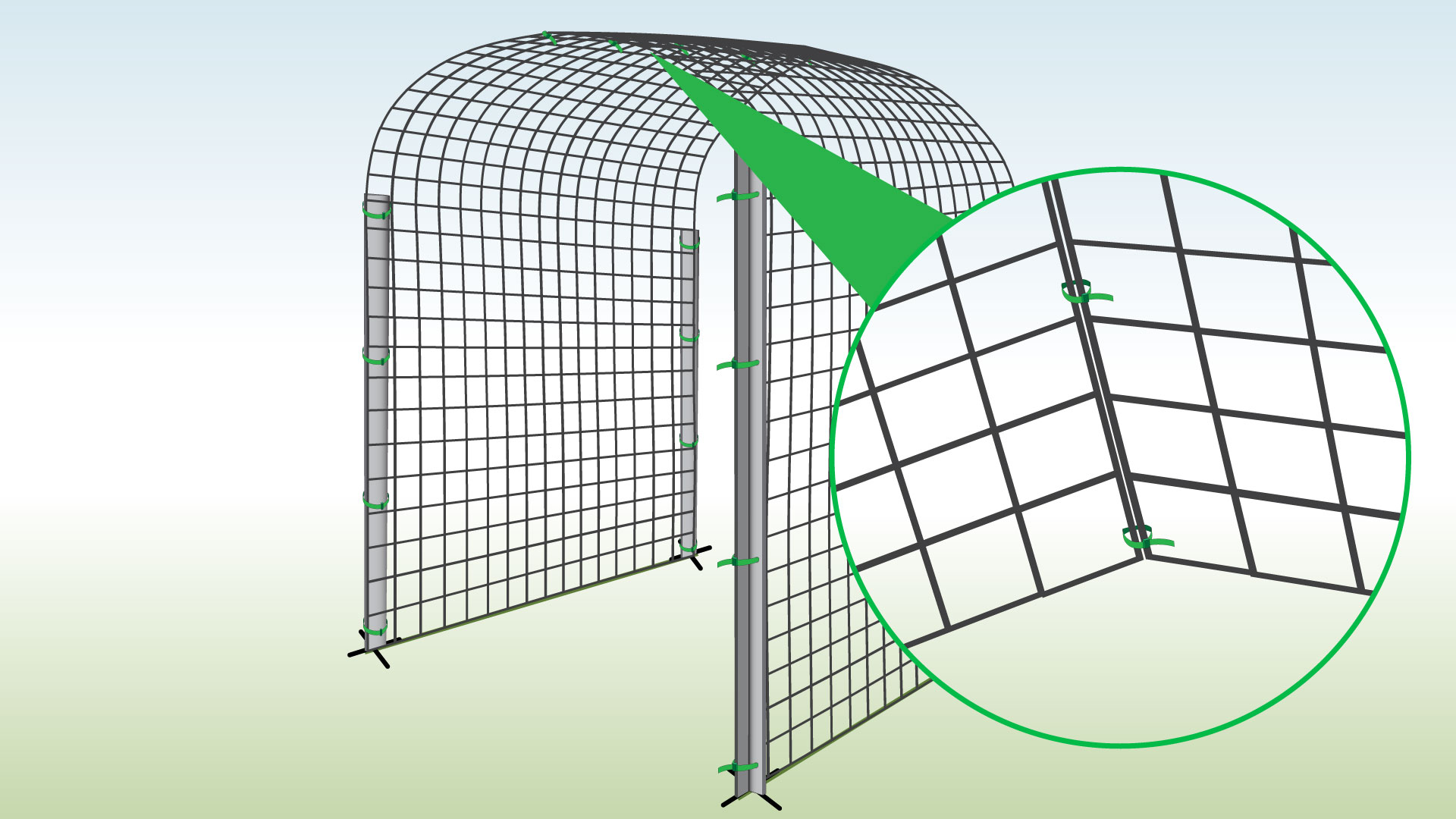
Step 6 – Attach Them Together at the Top

attach-panels-together-at-the-top

Attach the panels together at the top using cable ties.
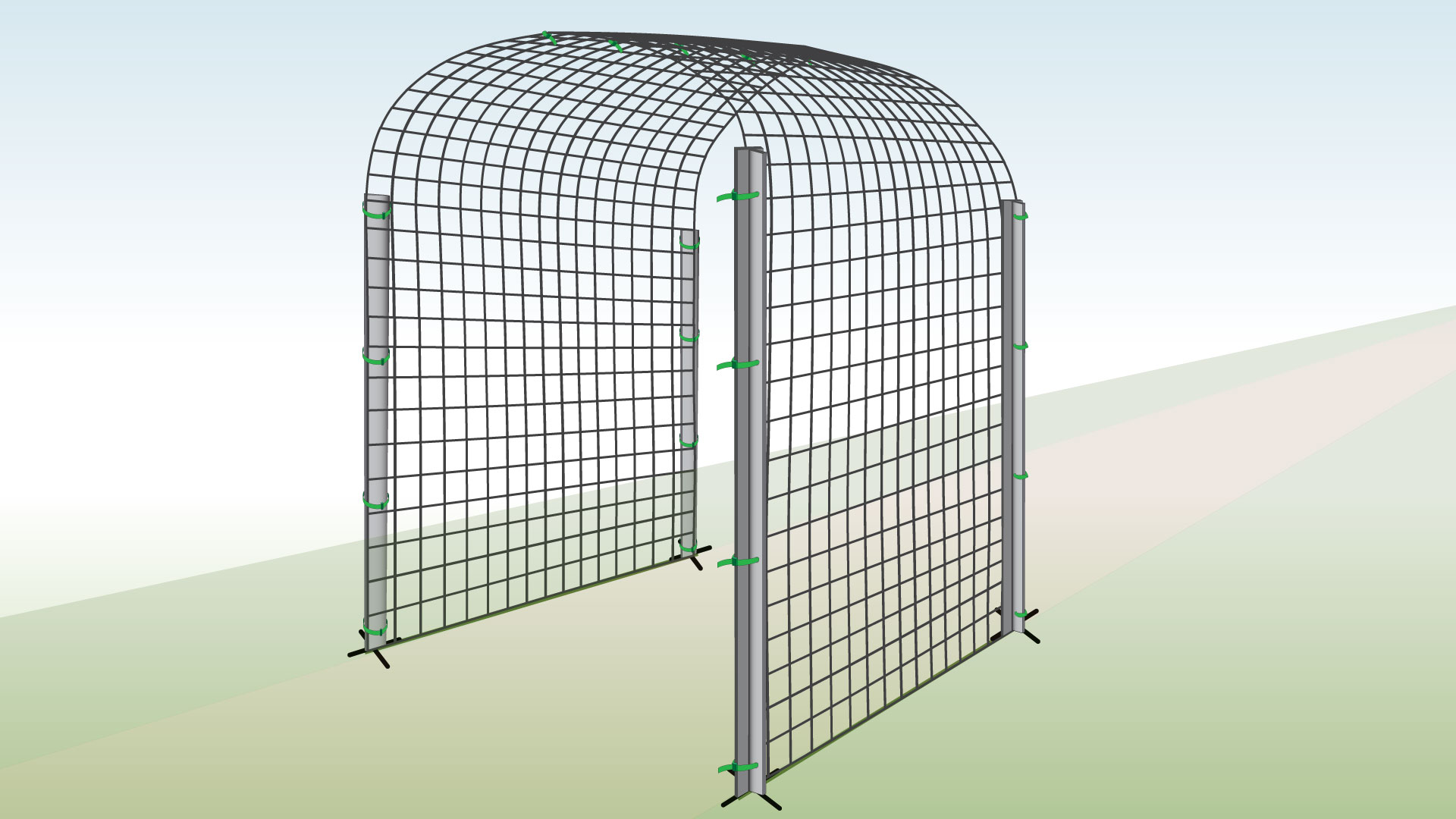
Step 7 – Start Planting

cattle-panel-trellis

You can now decorate the base with mulch or start training climbing plants up your new trellis.


FAQs

How tall does a cattle panel need to be?

If you are intending to use it to fence in cows the height should be at least 90cm to stop the cow from getting its head over the top.  If you are using it for another farm or wild animal please refer to the guide above or see Animal and Pet Fencing.

How do you install it?

Please refer to the diagrams above.

It is possible to install cattle panels with different methods and post types.  The installation instructions we have provided outline the most common method for both metal T Posts as well as wooden posts.

Whilst wooden posts are still the most commonly used T posts tend last longer.  They also offer a similar level of strength and stability for middle/intermediate posts as well as being lighter, easier to handle, and longer-lasting.

Wooden posts with struts are still used to construct corner posts to ensure a greater level of stability.

How do I attach to a wooden post?

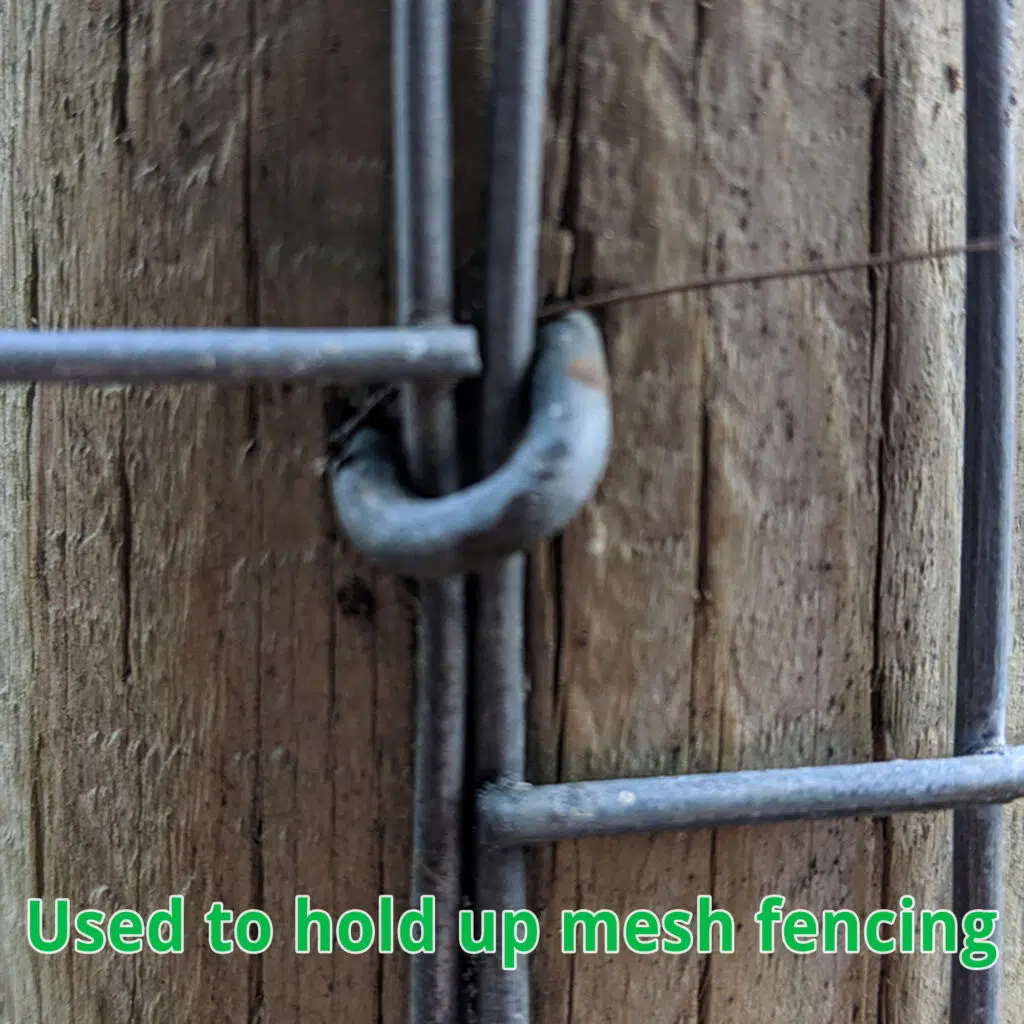
The easiest and most common method is to hammer a U staple around welded wire mesh squares into the wooden post (view image)

Can I use cattle panels as a trellis to grow fruit and veg?

Yes, the mesh is often used to grow fruit and veg either as a flat trellis attached to a wall or an arch.  For a bigger selection, also see Wire Panels and Welded Wire Mesh categories.
 

Downloadable PDFs