

How to Repair Chain Link Fence

Below you will find a step by step guide on how to repair chain link fence fabric.
- Experience Required: Medium
- Tools Required: Protective gloves, Wire cutters, Pliers, Fence stretcher, Tape measure
- Materials Required: Chain link fence, Stretcher bars, Hog rings
Step 1) Identify the Damaged Section
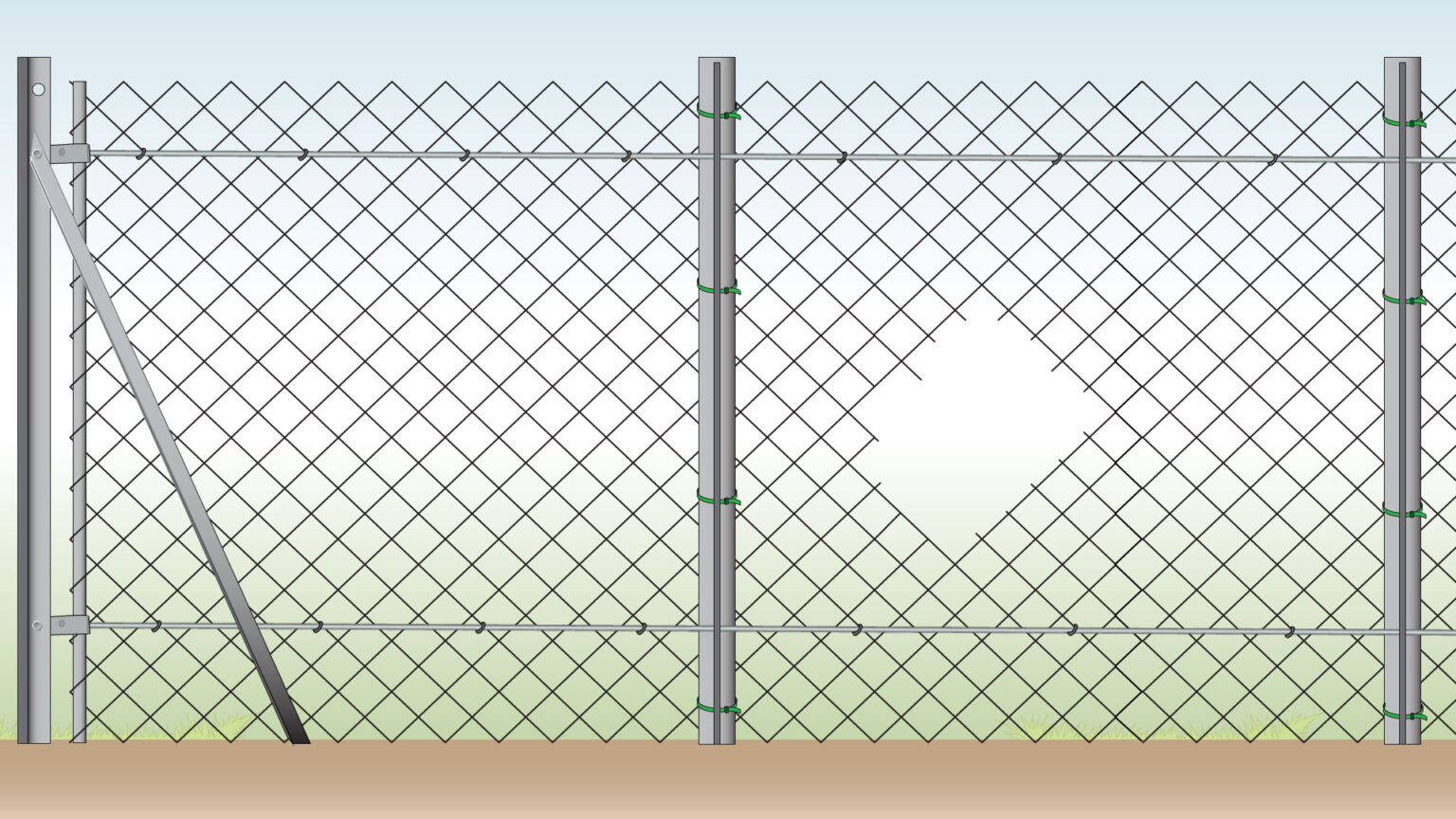
- Begin the process of how to repair chain link fence by identifying the damaged section of the fence.
Step 2) Remove Attachments
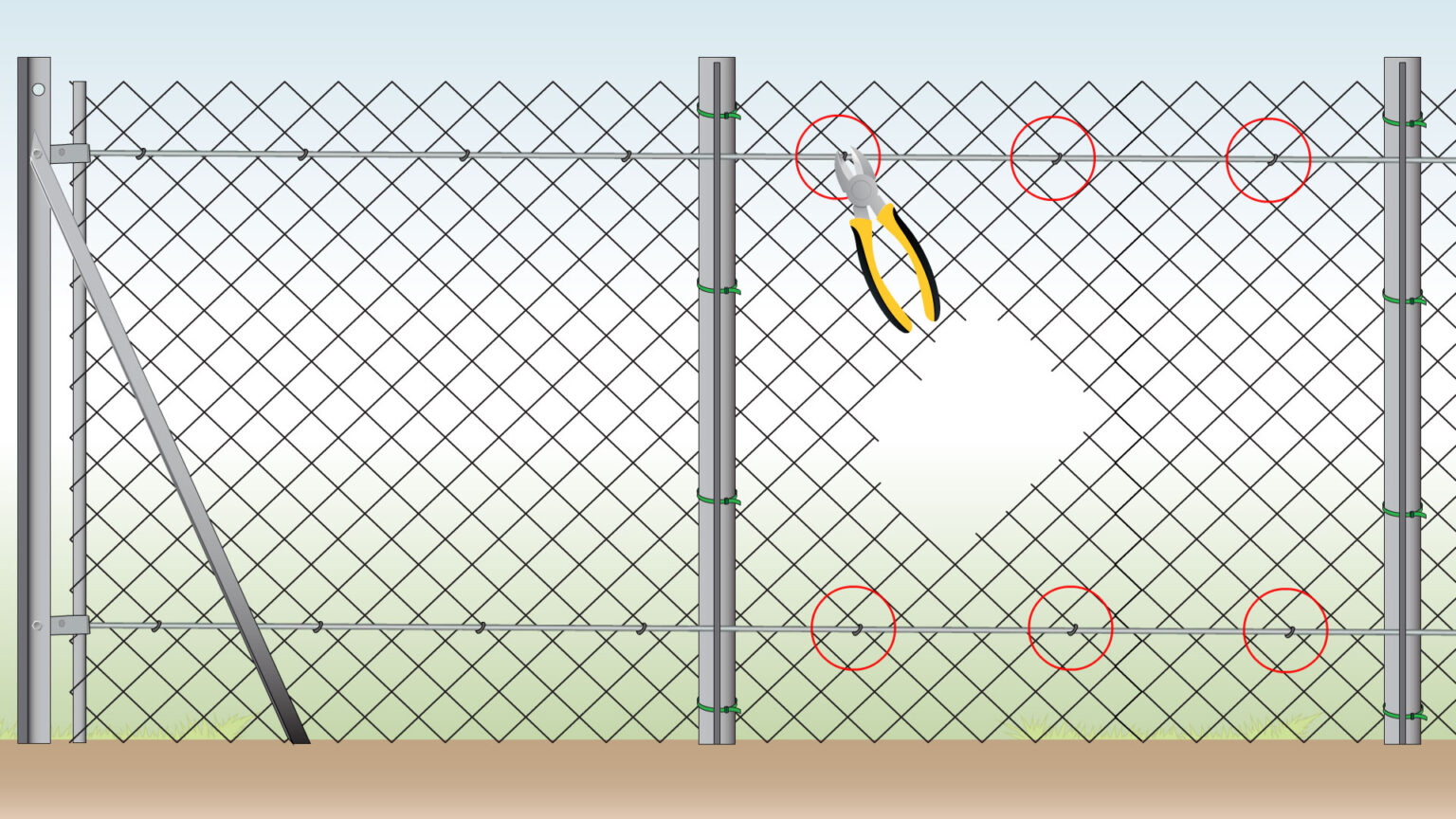
- If the section is connected to a top or bottom tension wire, untie or cut it first.
Step 3) Cut One Strand
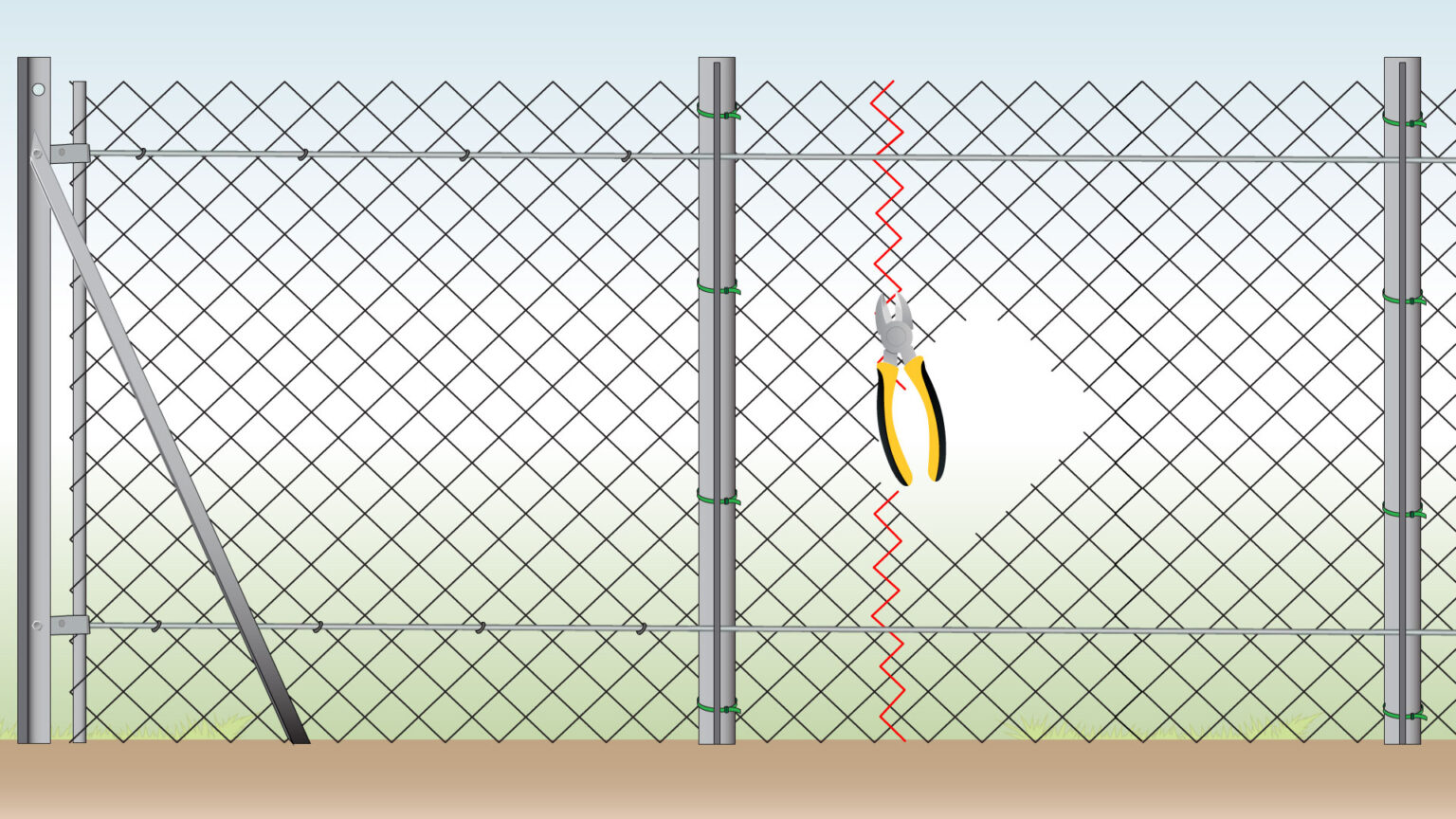
- On one side of the damaged area, cut a single wire strand using wire cutters.
- Since the fence is under tension, you won’t be able to untwist the wire at this stage.
- For different methods on How to Cut a Chain Link Fence, check out our blog for more guidance.
Step 4) Untwist Strand Other Side
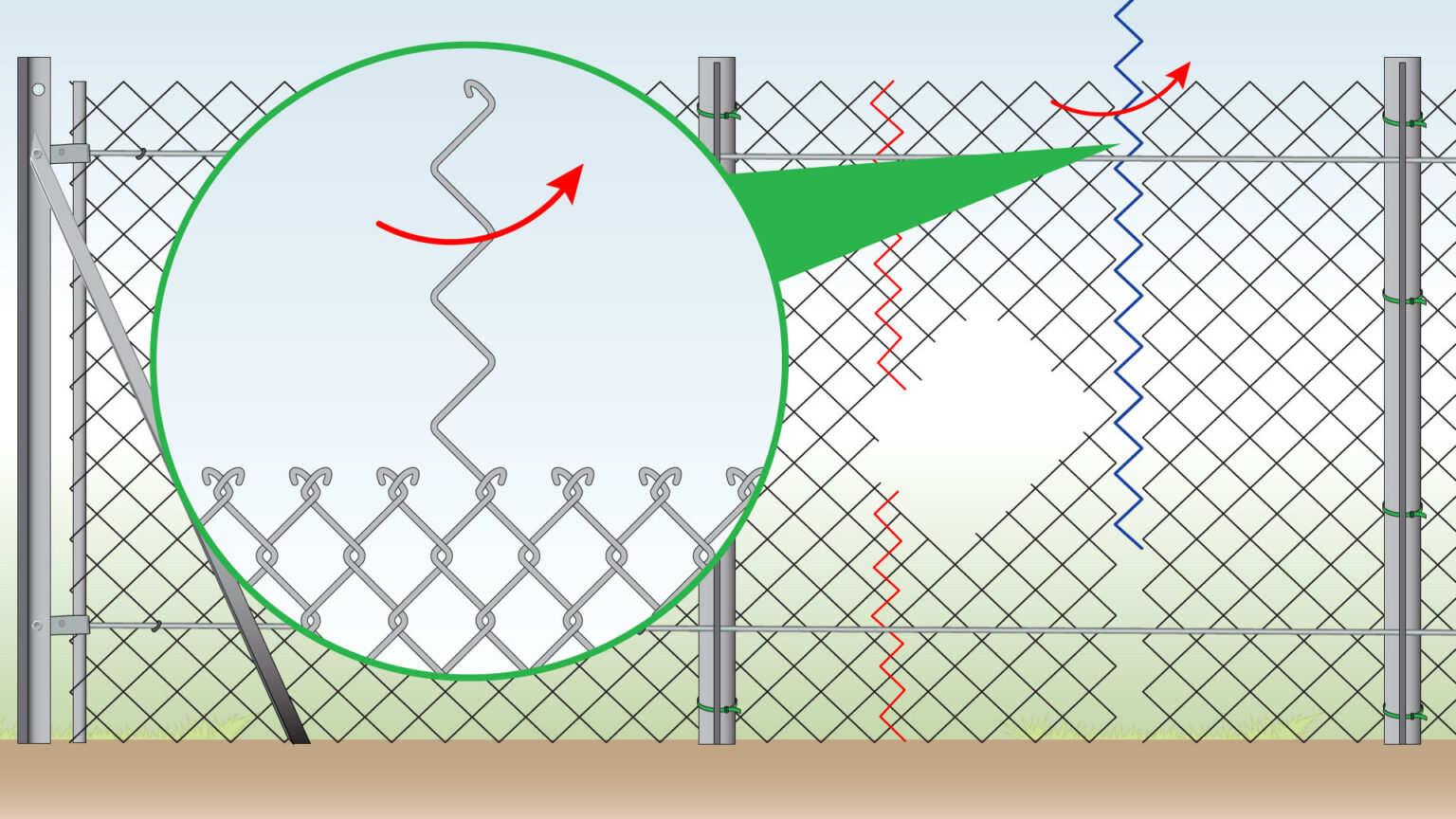
- On the other side, untwist the wire strand by hand, since the fence is not under tension now.
- Set this strand aside.
Step 5) Half Diamonds
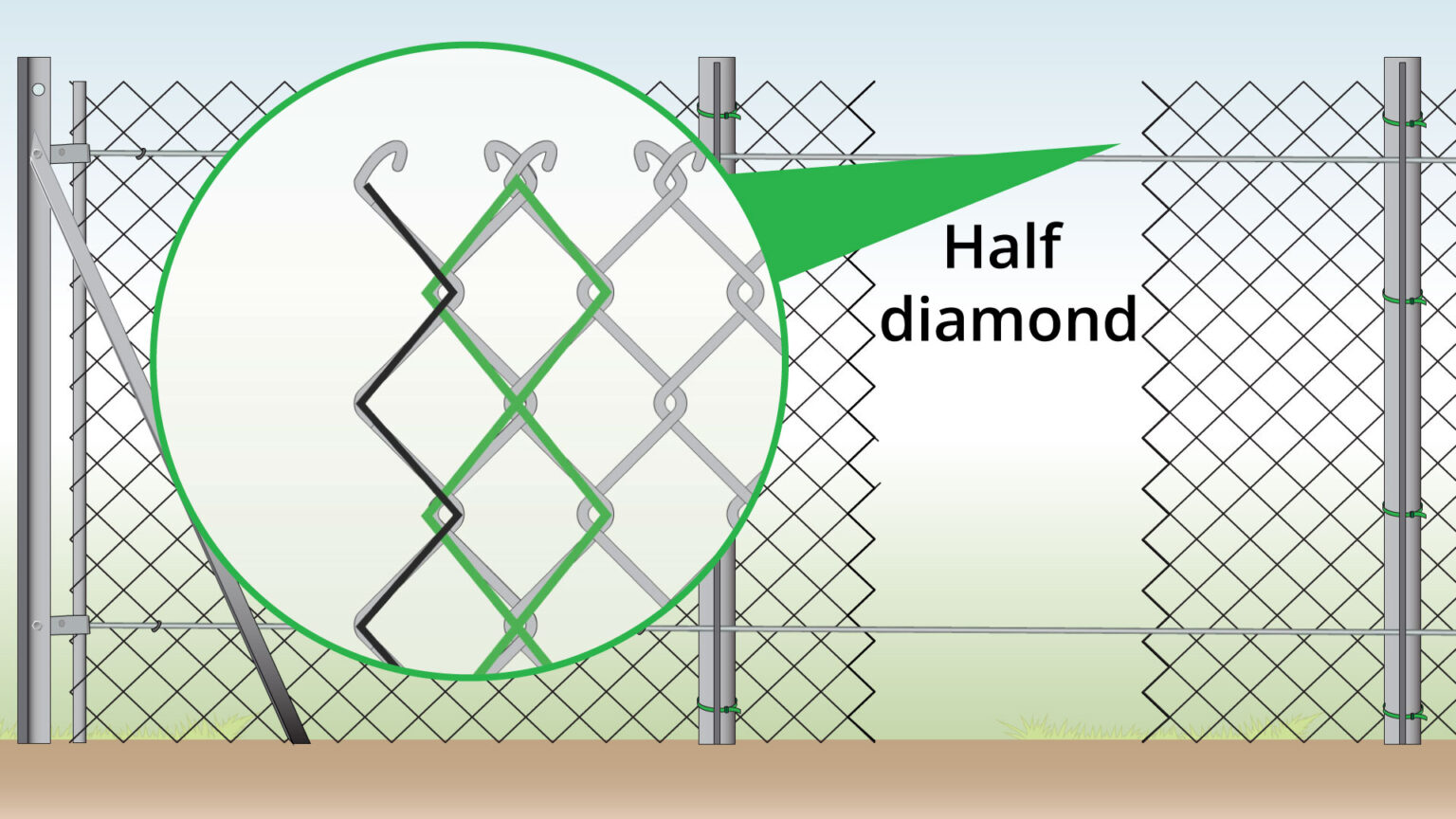
- Keep half diamond ends on both sides so the replacement section can be connected later.
Step 6) Measure Out Enough Material
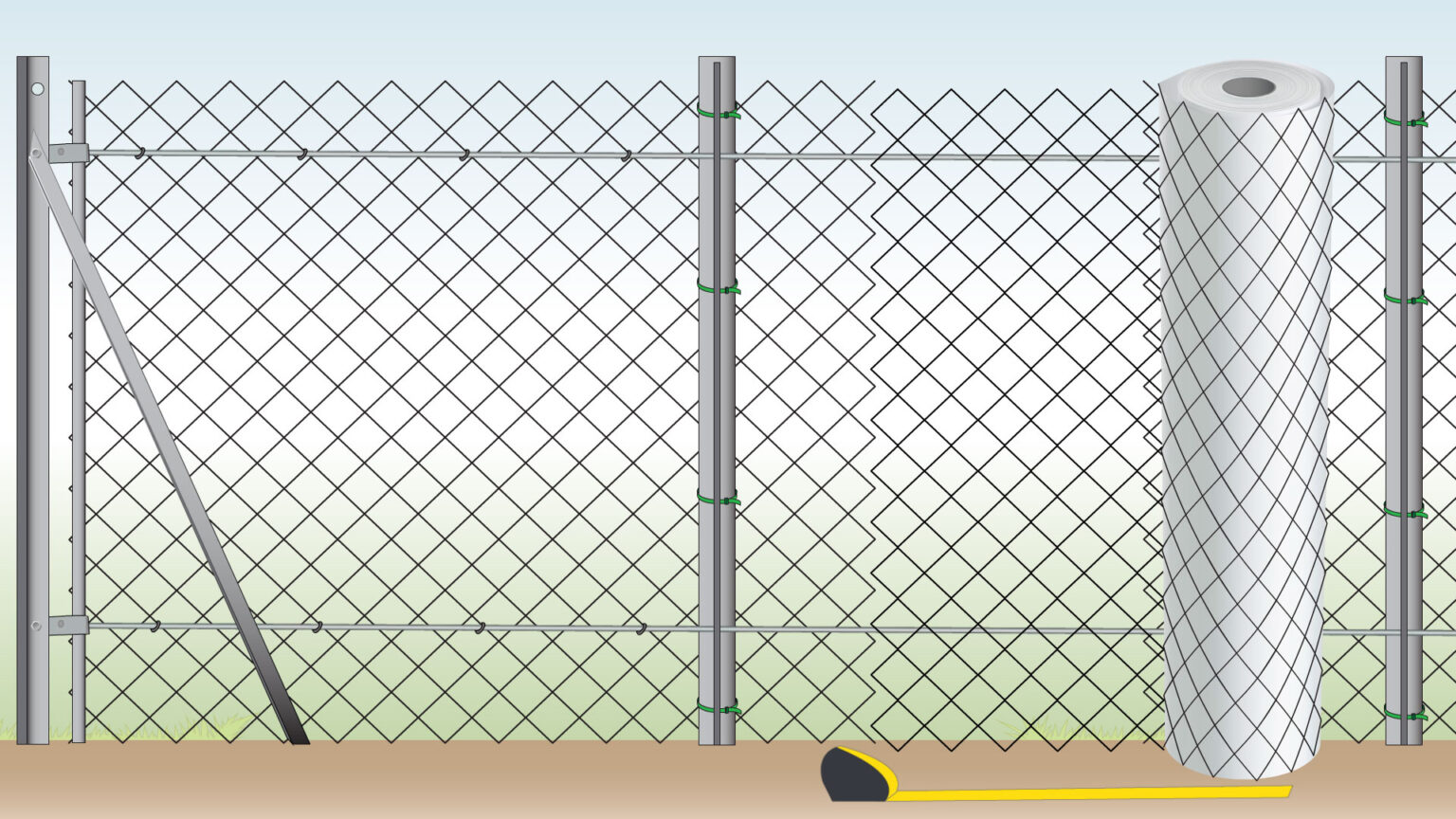
- Ensure the replacement material matches the size and wire gauge of the fence.
- Measure enough material to cover the gap, leaving a little extra.
- Alternatively, use the damaged section as a guide, but cut the replacement slightly longer.
Step 7) Untwist Wire from Roll
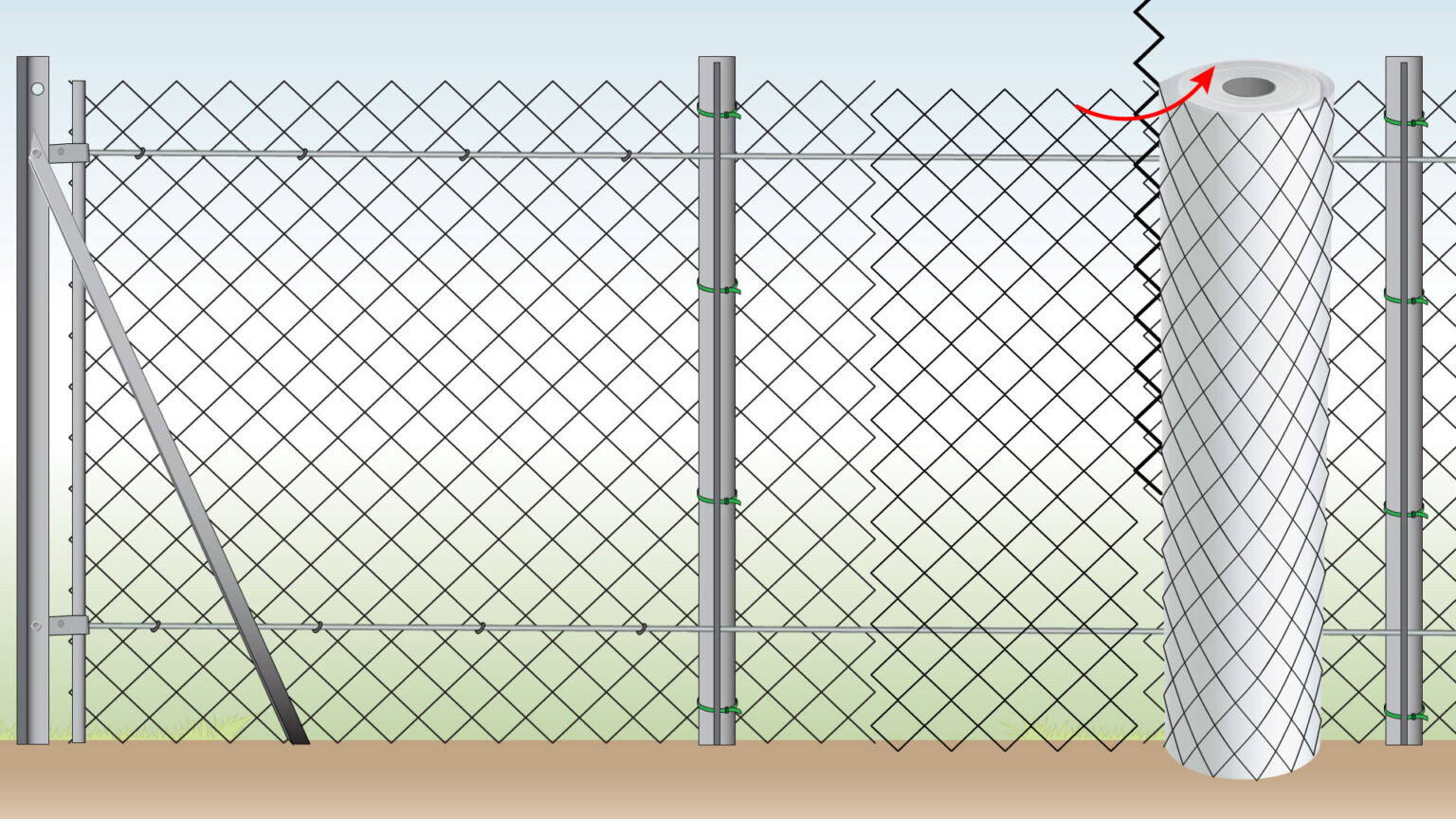
- Untwist a wire strand from the roll at the point where you want to cut the material to the required length.
- You can reuse this strand in the next step.
Step 8) Connect at One Side
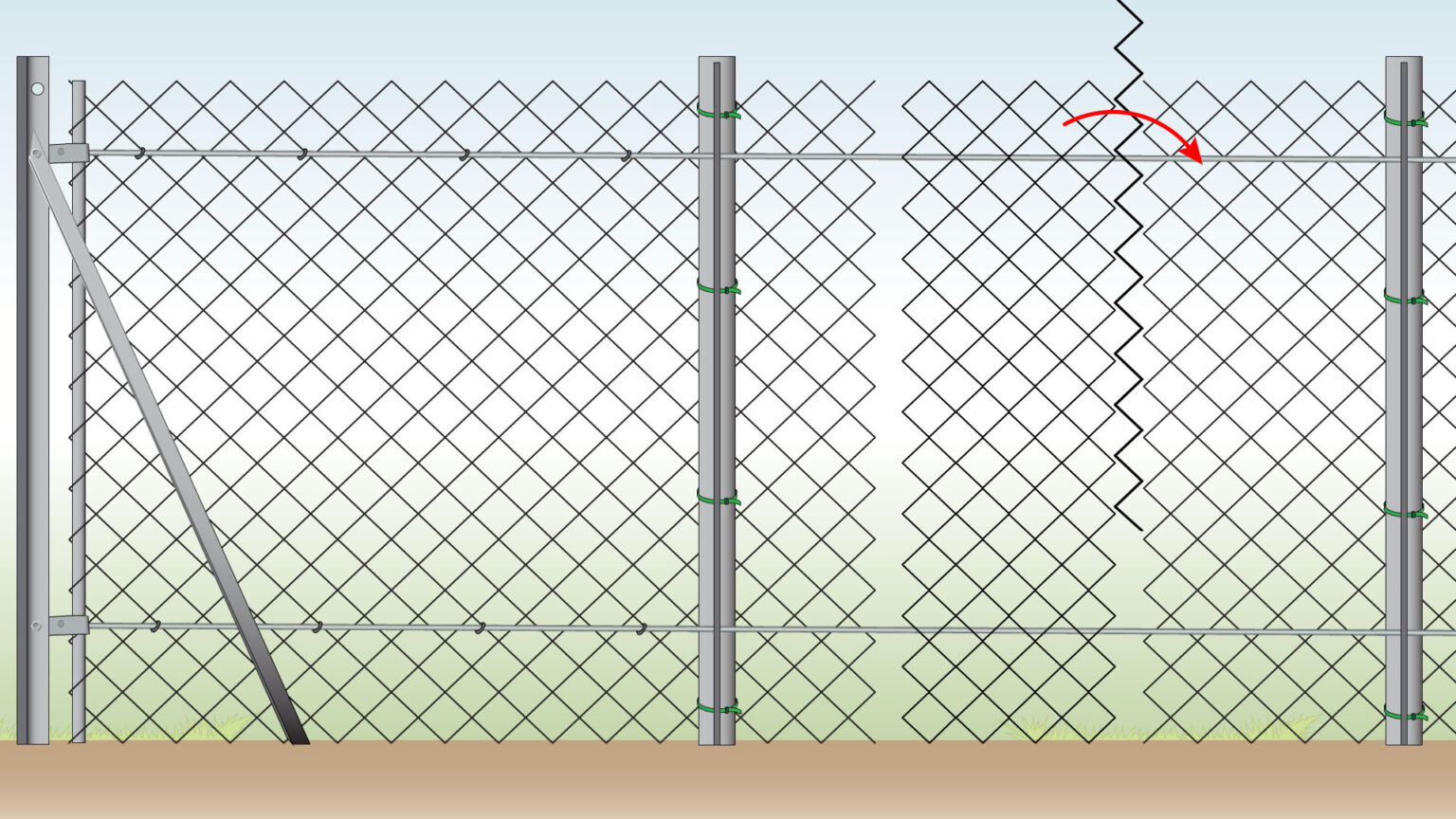
- Twist the removed wire strand to secure the replacement section to one side of the existing mesh.
- If you’re unsure about this procedure, check out our How to Connect Chain Link Fence blog for more guidance.
Step 9) Fabric May Sag
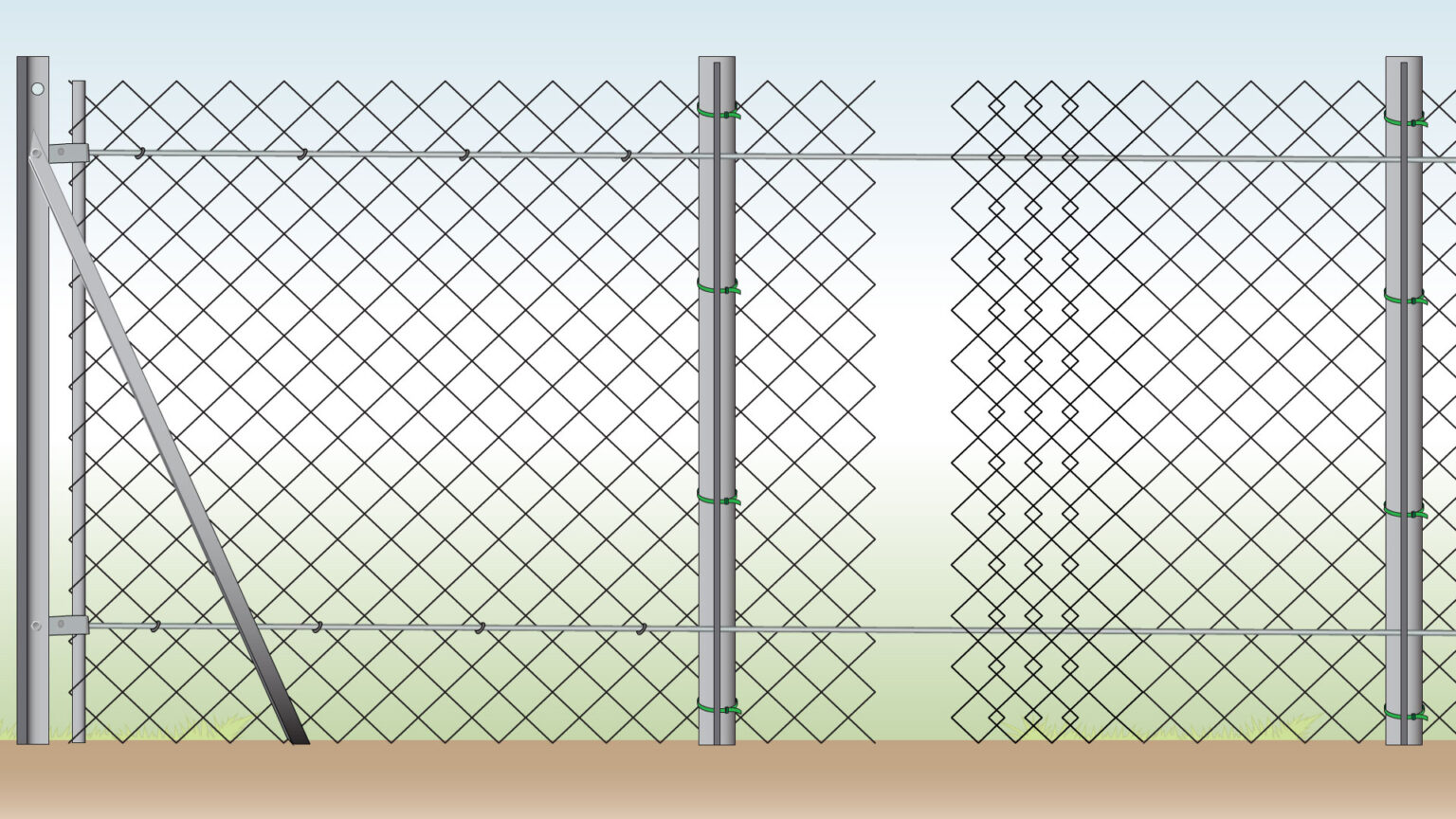
- The mesh will sag without tension, so it’s normal for the links to droop.
- You won’t be able to connect the other side until it is tightened.
Step 10) Position the Two Bars
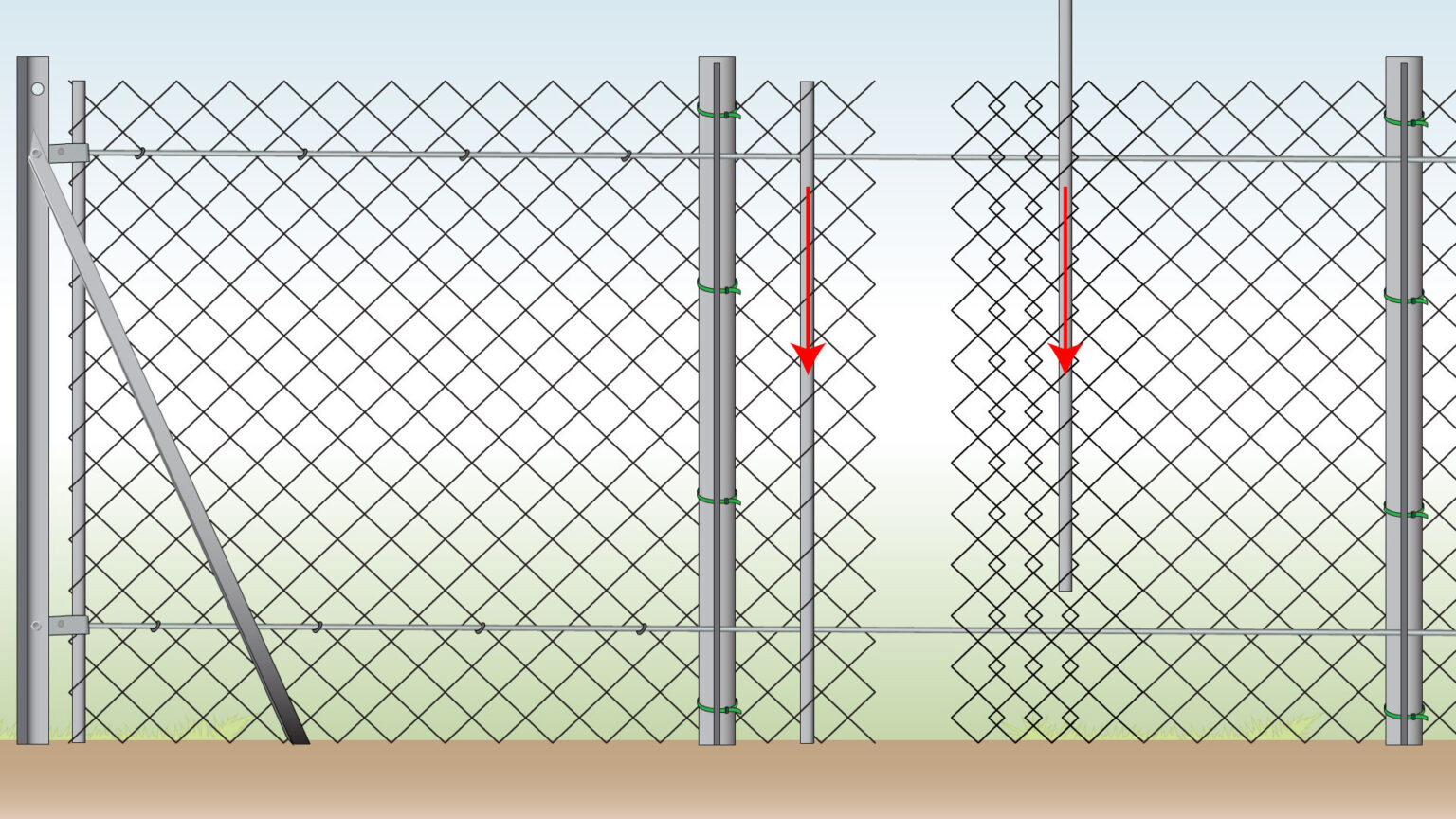
- Position two stretcher bars at each end of the opening, making sure they are not placed in the end diamonds.
Step 11) Pull Sections Together
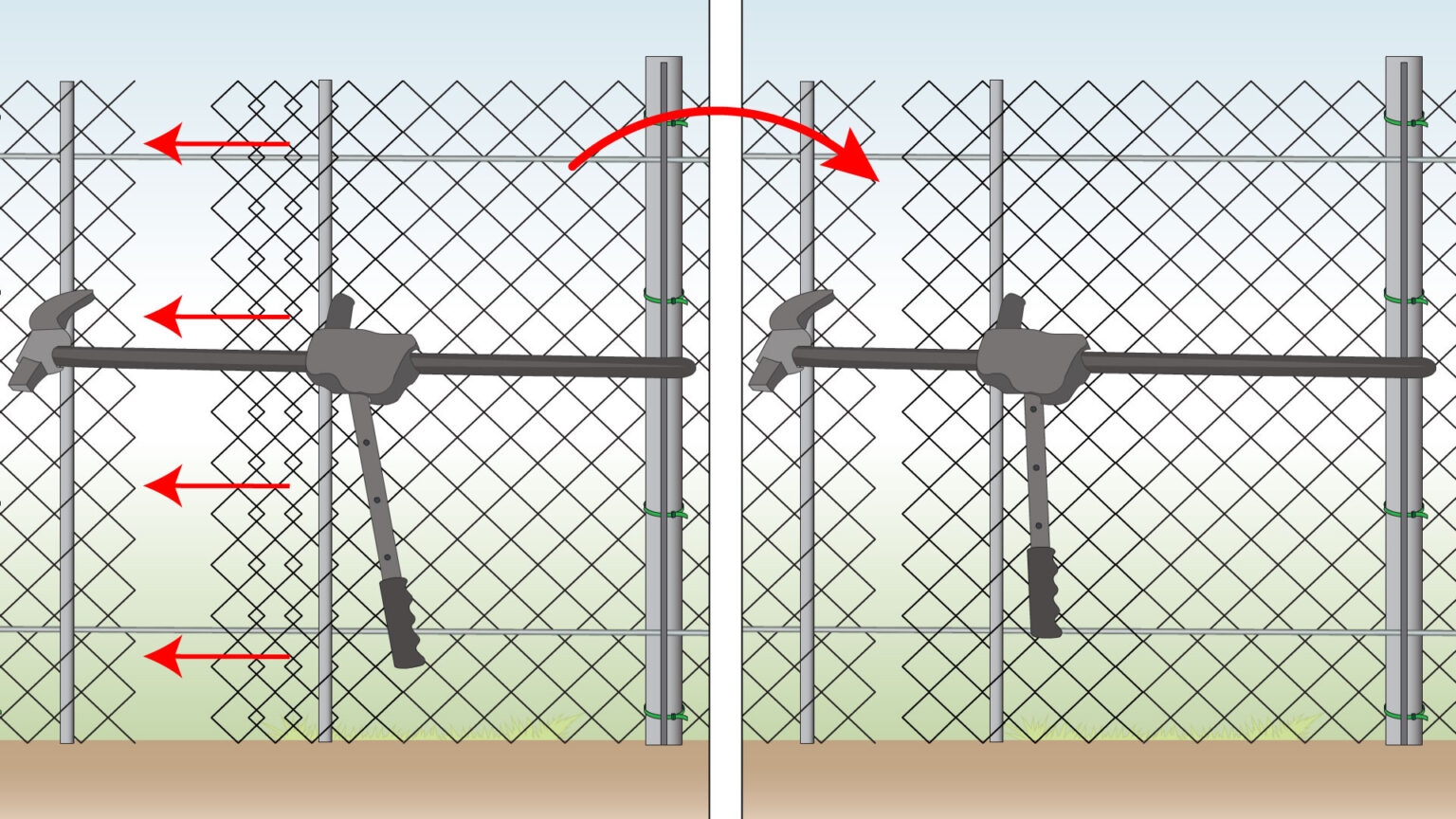
- In the process of how to repair chain link fence, use a stretcher tool to pull the two sections together.
Step 12) Complete The Repair
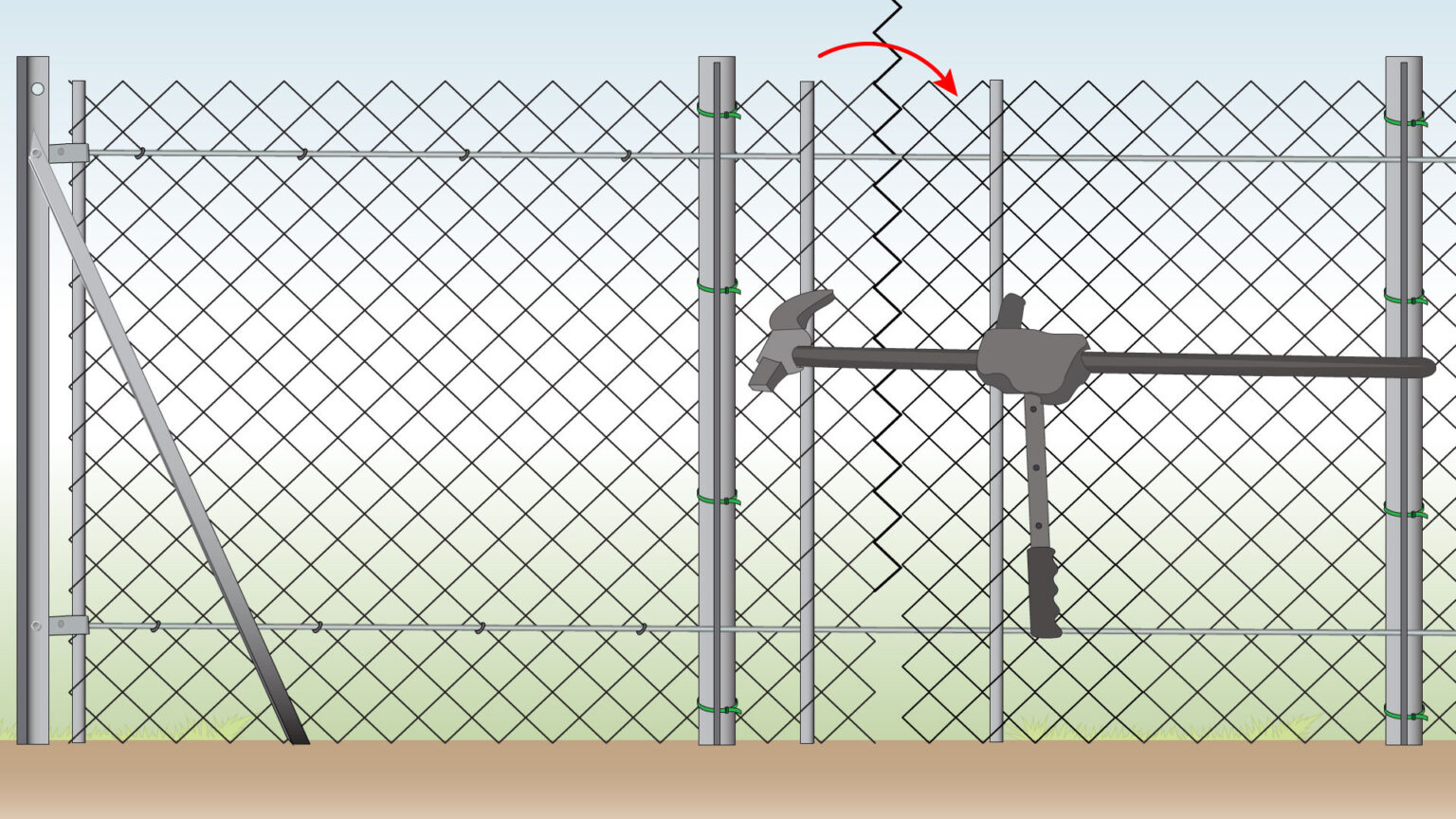
- Once aligned, weave in the saved wire strand to connect both sides and complete the repair.
Step 13) Remove Tool and Bars
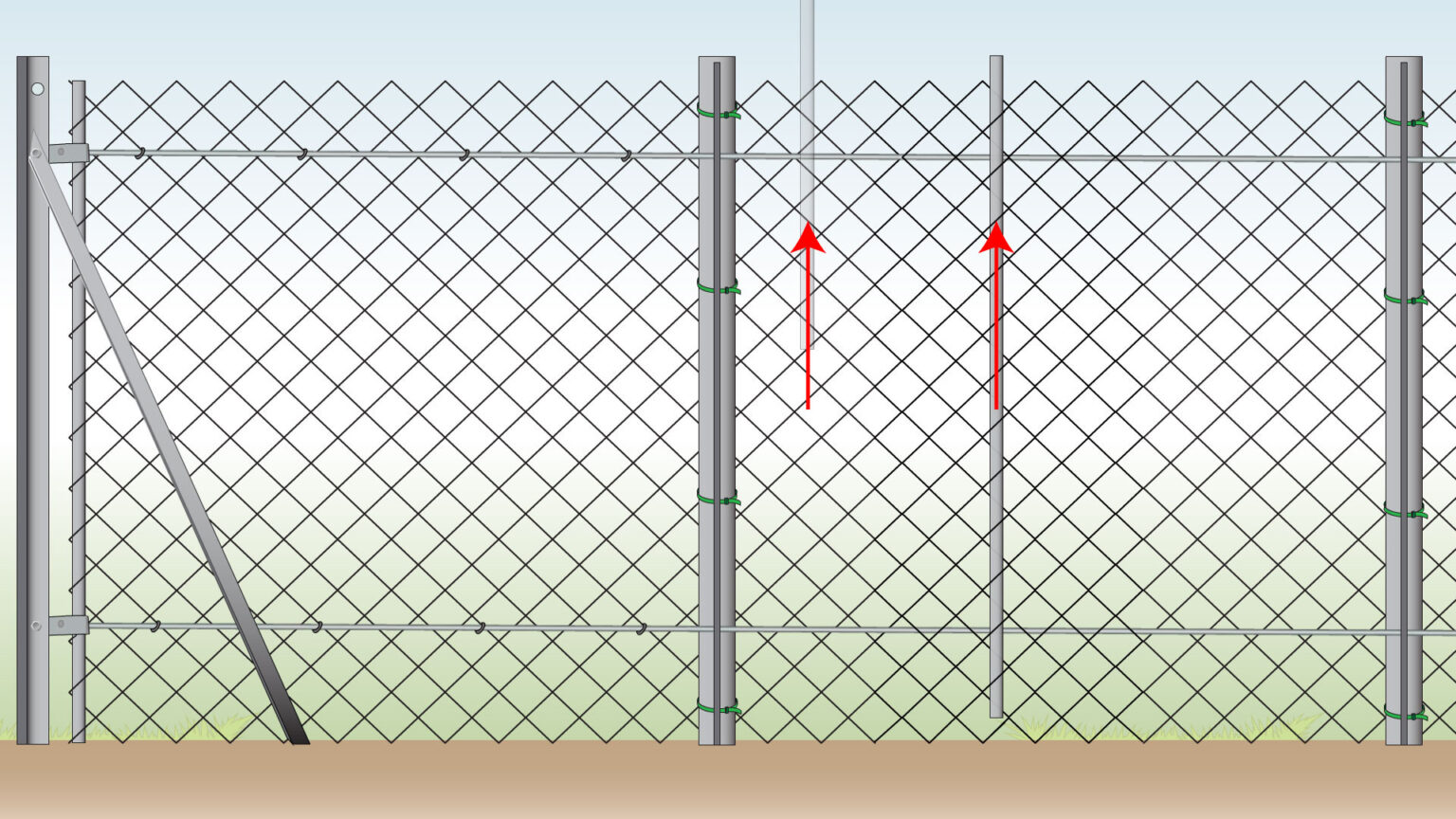
- Once secured, remove the stretcher tool and tension bars.
Step 14) Secure It Back
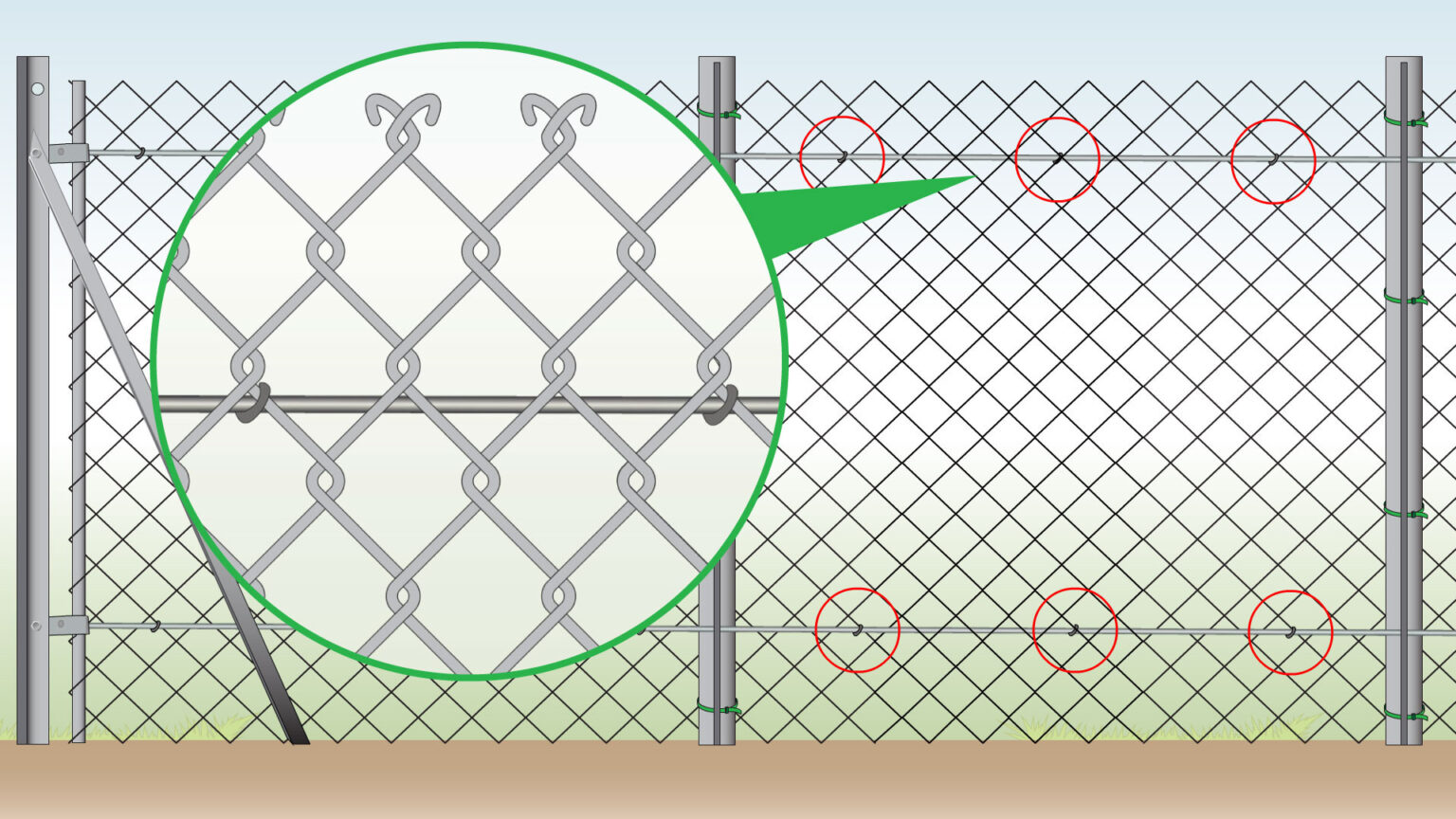
- Secure the mesh back to the top and bottom tension wires using hog rings.
Step 15) Finished Project
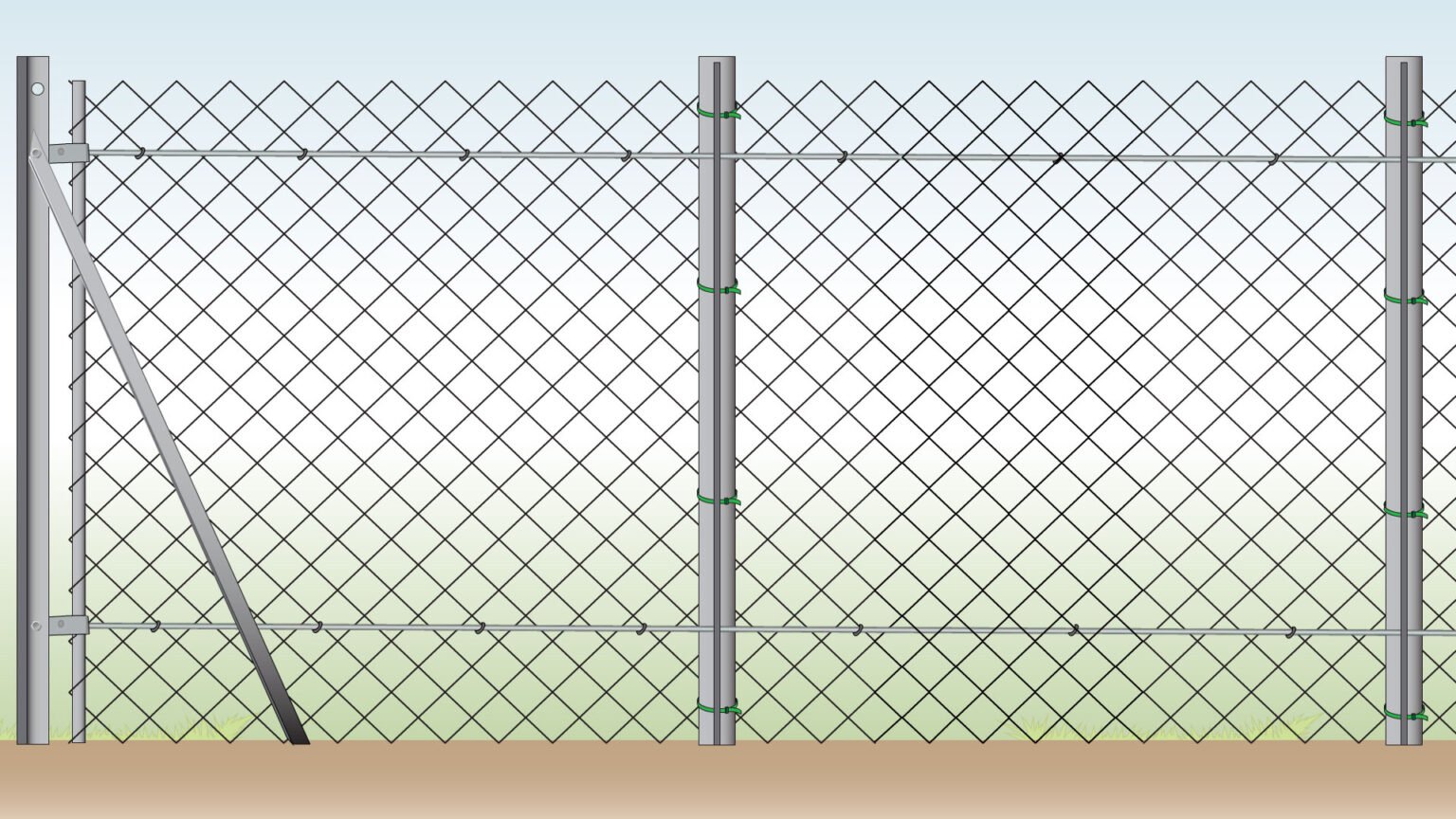
- You’re all set. The material is now repaired.
Tips and Tricks on How to Fix a Chain Link Fence
Before starting your fencing project, it’s important to plan carefully and consider a few key factors. The points below are based on our team’s experience designing and installing different fencing.
- Leave half-diamond ends on both sides of the opening so the replacement section can be attached properly.
- If you did not save a single wire strand, you can twist one out from the roll.
- When you fix hole in chain link fence, make sure the replacement fabric matches the existing fabric size and wire gauge.
- Measure enough material to fully cover the opening. You can use the damaged section as a guide, but cut the replacement fabric one or two links longer for proper fitting.
- Replace or install new posts, and change any additional materials as needed before attaching the new chain-link fabric.
FURTHER READING
- How to Cut a Chain Link Fence – A guide on how to cut the fabric accurately.
- How to Connect Chain Link Fence – Learn how to join sections of material together.
- How to Tighten Chain Link Fence – Step-by-step instructions for tightening the mesh.
- How to Unroll Chain Link Fence – A guide on how to unroll the material properly.
- How to Install Chain Link Fence with T Posts – Step-by-step instructions for installation using T posts.
VIDEO

Written By
This blog was created by our Technical Illustrator, Timi and reviewed by our Technical Consultant, Erno.
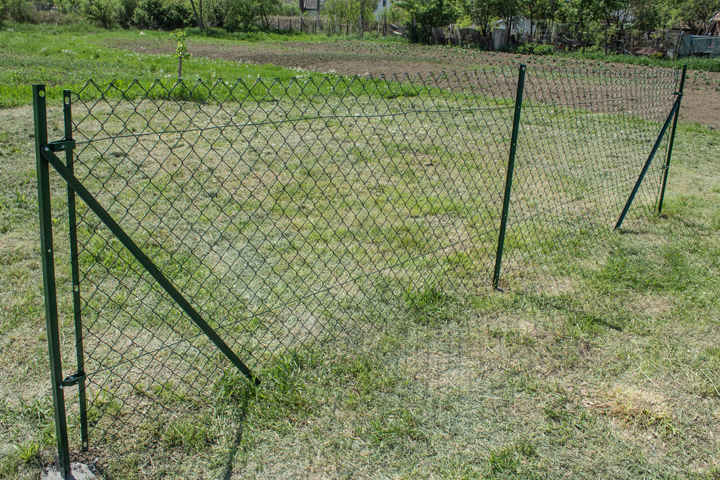
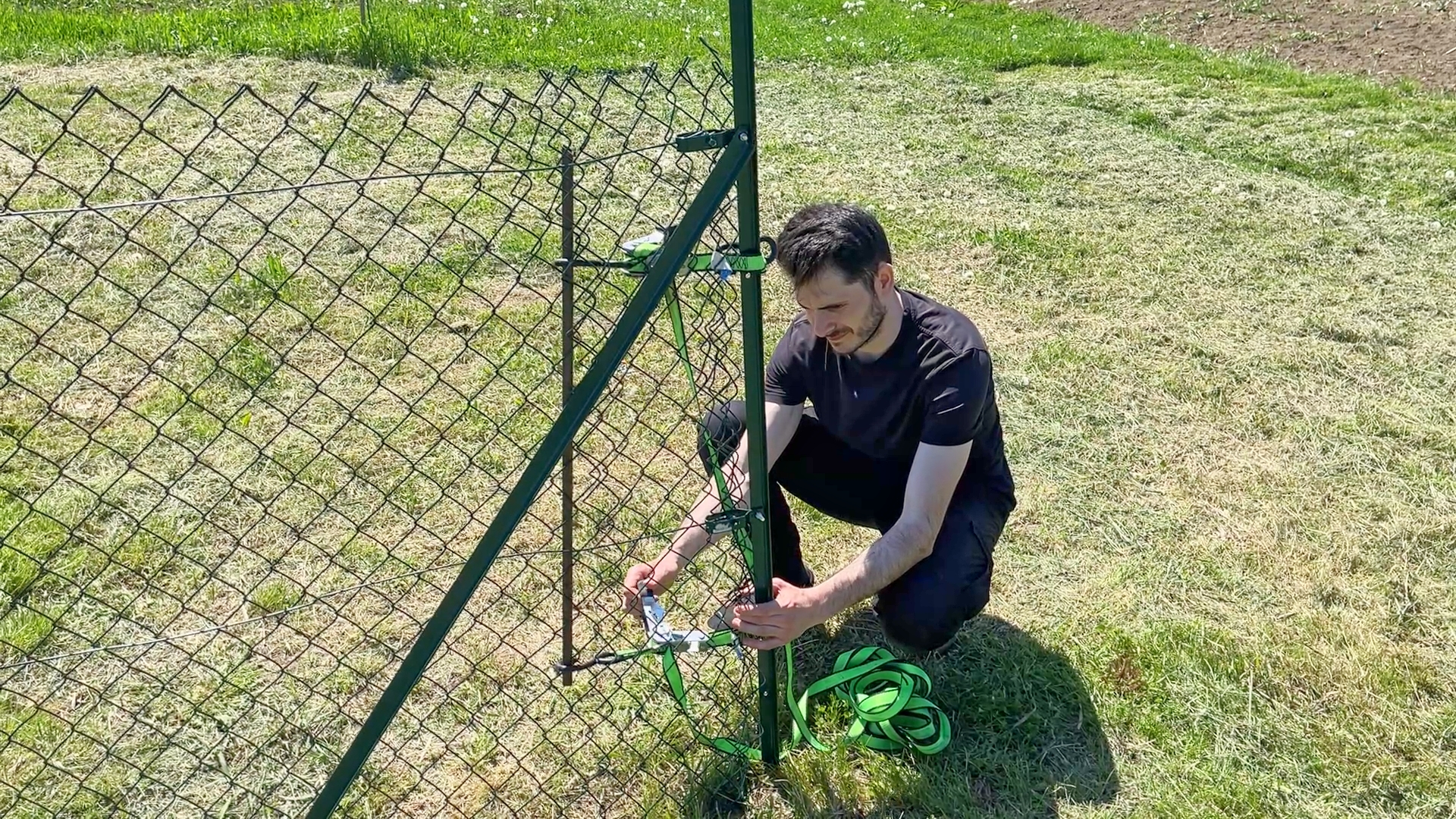
Below you’ll find examples of our real-life chain link fence builds. We’ve opted for technical illustrations for the instructions found in this blog because they provide better clarity on mesh placement and structural details that can get lost in real-life photography.

Published by
