Chain Link Fence Installation

Below you will find a step by step guide on chain link fence installation.

chain-link-fence-installation


Step 1) Planning a chain link fence

planning-chain-link-fence

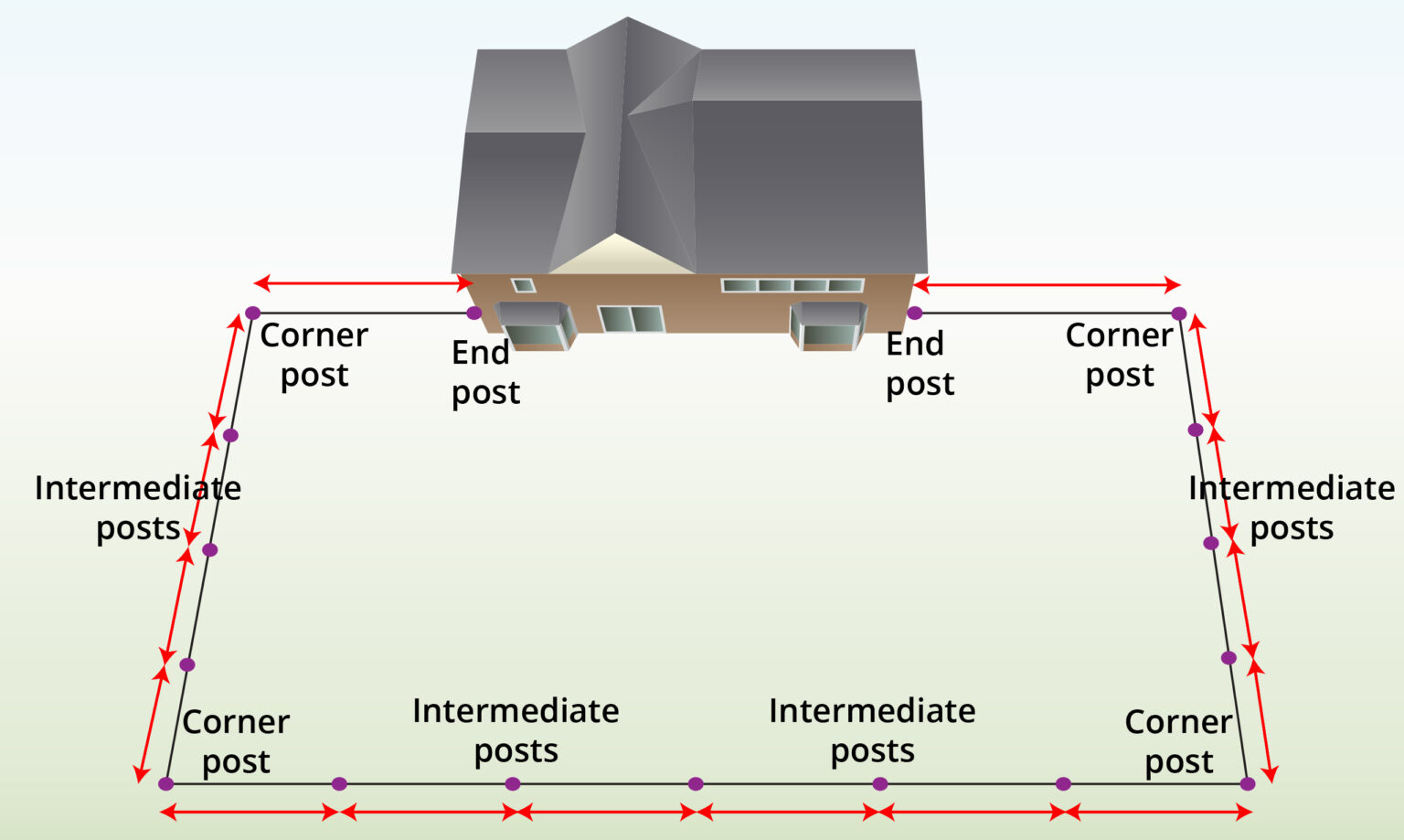
  • Use spray paint or a similar method to mark the locations for your posts.
  • Maintain a distance of 2m-2.5m between each post.
  • Measure the total length between the ends to determine the required amount of fencing.


Step 2) Dig holes
dig-holes

  • Use a spade to dig holes at designated spots.
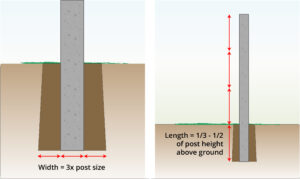
  • Ensure each hole is three times wider than the poles.
  • The depth of each hole should be one-third of the length of the poles.


Step 3) Position posts

positioning-posts-upright

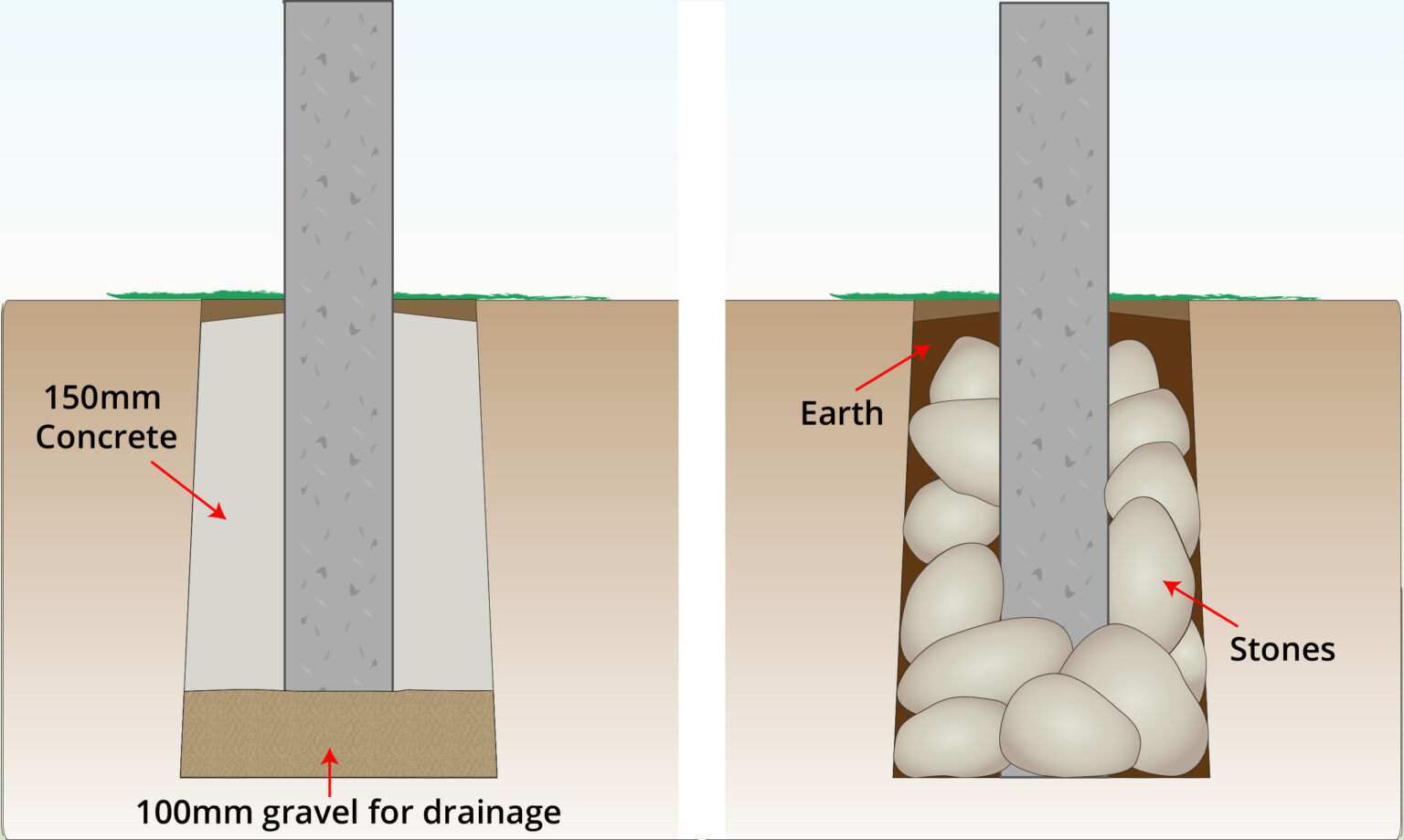
  • Concrete method: Fill holes with 100mm of gravel, pour 150mm of concrete on top, insert poles and let set for 1 day, fill the rest with dirt.
  • Without concrete: Position posts in center of holes, fill with stones to stabilize, add earth and compact.

Step 4) Check for straightness
checking-for-straightness

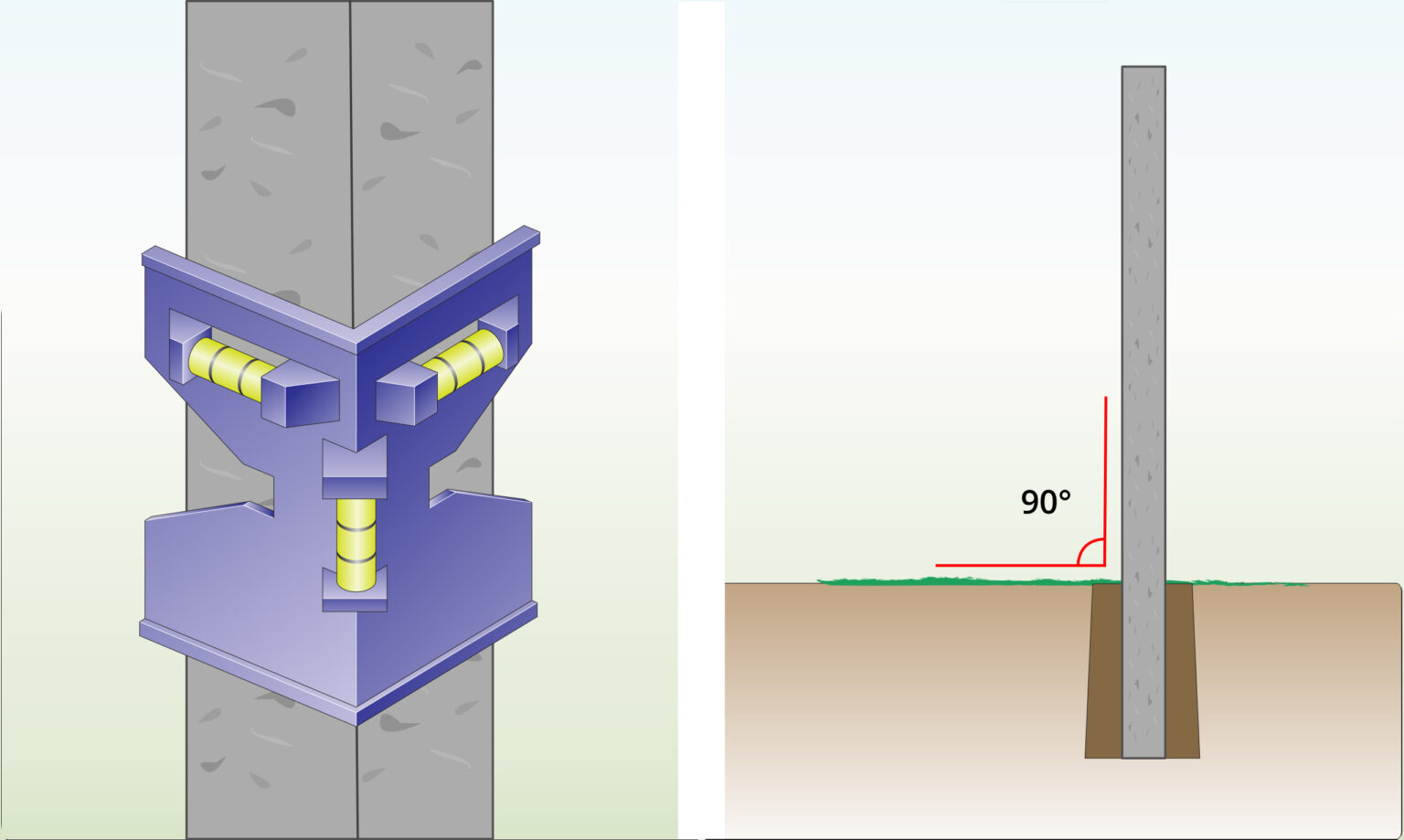
  • Use a spirit level to make sure your poles are straight, then secure them in place.
  • This is important, otherwise your fence will not be straight.
  • Once they are all in place, allow a few days for the concrete to dry up.


Step 5) Position end posts
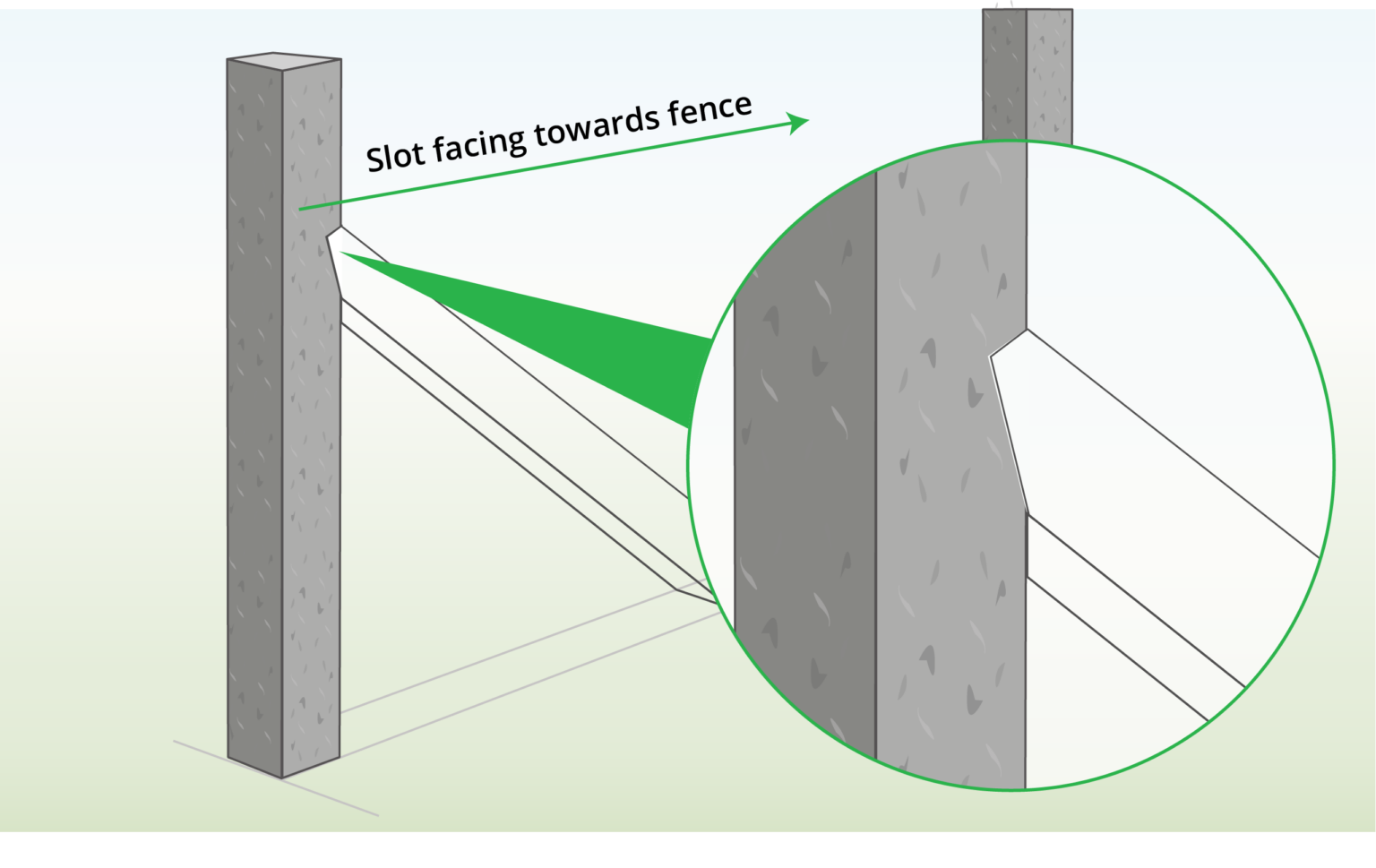
post-ends-position

  • End posts should feature a slot for the angle support.
  • Ensure the angle support slot faces towards the fence run.

Step 6) Position corner posts

corner-post-position

  • Corner posts feature slots on two adjacent sides.
  • Ensure these slots face the two fence runs the corner connects.
  • Position corner posts accordingly.


Step 7) Attach angle supports to end posts

attach-angle-supports

  • Position angle support in designated slot or affix at a 45-degree angle.
  • Ensure proper hole placement, excavate and add rubble, then insert support and compact soil.
  • Optionally secure with concrete.


Step 8) Attach angle supports to corners

angle-support-to-corners

  • Proceed to repeat the actions outlined in step 7 for the two angle supports required by the corner post.


Step 9) Mark location of tensioning wire

location-of-tensioning-wire

  • For chain link fencing:
    • Utilise 2 lines of wire for heights under 1.2 meters.
    • Employ 3 lines for heights exceeding 1.2 meters.
  • Mark positions for wire strands on all poles consistently to ensure level alignment with the ground.


 Step 10) Attach wire to first post

attaching-wire-to-post

  • Secure the initial wire strand to the terminal pole at the designated lower mark.
  • Loop it around the concrete, twist in reverse, and wrap it around 4-5 times for firm tension.


Step 11) Attach radisseurs

attaching-radisseurs

  • Utilize individual wire segments for fastening the radisseurs onto the corner and end posts.
  • Proceed directly to step 14 if you don’t have radisseurs.


Step 12) Attach wire to radisseur

wire-to-radisseur

  • When you get to the initial radisseur, trim the first tensioning wire, leaving 10cm extra for fine-tuning.
  • Guide the wire through the central hole of the radisseur.


Step 13) Tension the wire

tensioning-the-wire

  • Use pliers to rotate the pin on the radisseur clockwise.

Step 14) Alternative with no radisseur

no-radisseurs
  • If there’s no radisseur available, wrap the wire around the pole and coil it around itself 4-5 times instead.
  • This alternative method will result in lower tension compared to using a radisseur.

Step 15) Connect wire to middle posts

wire-to-middle-posts

  • Secure the wire to the middle poles using cable ties or tying wire.


Step 16) Attach the remaining wire

attaching-remaining-wire

  • Secure the remaining wire strands by repeating steps 10-13.


Step 17) Start attaching mesh

attaching-chain-link-fence-to-posts

  • Attach the mesh by rolling it out to span the gap between two vertical supports.
  • Make sure it is upright or flat with the flap up to avoid snagging.
  • Secure it to the first pole every 15cm using cable ties or tie wire.

Step 18) Tighten mesh

tightening-mesh

  • Stretch the mesh firmly and secure it to the adjacent pole using cable ties.


Step 19) Secure remaining mesh

securing-remaining-mesh-chain-link-fence

  • Proceed to fasten the rest of the mesh using the method outlined in steps 17-18.


Step 20) Attach tension wire to chain link fence

attaching-tensioning-wire-to-chain-link-fence

  • Ensure the tensioning wire is firmly secured at multiple intervals to uphold the fence’s tension.


Tips and Tricks

  • Before starting, ensure all tools and materials are easily accessible. Double-check that you have enough fencing material and posts for the length of your fence.
  • Use brightly colored spray paint for marking post locations. This helps maintain visibility and ensures accurate placement.
  • To make digging holes easier, moisten the soil if it’s dry and hard. This will save time and effort.
  • Use a measuring tape to keep a consistent distance of 2-2.5m between posts. Uneven spacing can compromise the stability and appearance.
  • When using the concrete method, ensure gravel is compacted well before adding concrete. This improves drainage and stability.
  • Frequently check the posts with a spirit level as the concrete sets. Adjustments can be made before the concrete fully hardens.
  • Use UV-resistant cable ties for a longer lifespan, especially if the fence is exposed to direct sunlight.


Warnings

  • Before digging, check for any underground utility lines to avoid damaging them and causing potential hazards.
  • Wear gloves and a mask when handling cement and concrete to avoid skin irritation and inhalation of dust.
  • Ensure posts are stable and not leaning before allowing concrete to set. An unstable post can compromise the entire structure.
  • Be cautious when tensioning wire, especially with pliers and radisseurs. The wire can snap back if not handled correctly, causing injury.
  • Use the appropriate tools for cutting and securing the fence. Improper tools can lead to accidents and a poor construction.
  • Make sure post holes are deep enough, especially in areas prone to frost heave. Shallow holes can cause posts to shift over time.
  • Double-check all ties and wires to ensure they are tightly secured. Loose connections can cause the fence to come apart over time.


Further reading

Published by

Timi Szabo

Timi K. is an illustrator and a genuine animal lover, and she couldn't hide it if she tried: she likes to offer fencing solutions especially for animal and pet related issues.

Leave a Comment

Your email address will not be published. Required fields are marked *