
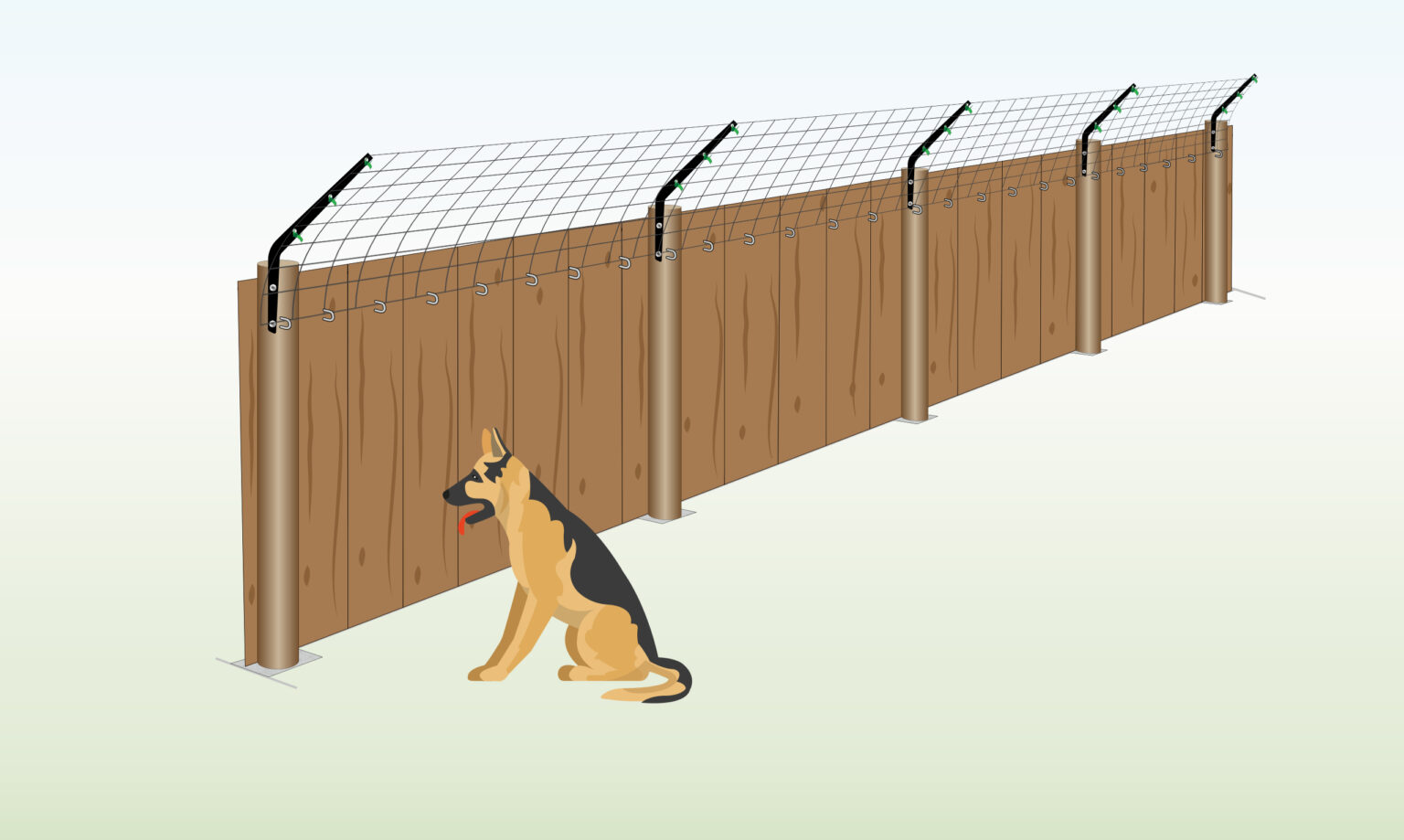
How to Stop Dog from Jumping Over a Fence

Below you will find a step-by-step guide on how to stop dog from jumping over a fence made from different materials.

- Experience Required: Medium
- Tools Required: Protective gloves, Wire cutter, Tape measure, Hammer, Plier, Marker
- Materials Required: Dog fencing, Staples, Cable ties, Brackets, Screws
Method A – Step 1) Calculate Number of Brackets
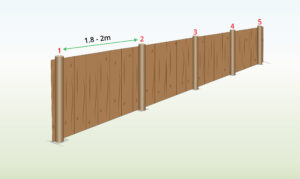
- If you have any posts, it is recommended to use one bracket for each post.
- In general, the brackets should be spaced at intervals of approximately 2m.
Method A – Step 2) Mark Bracket Placement

- Make use of a tape measure and marker to indicate where the brackets should be secured to the fencing.
Method A – Step 3) Secure Brackets
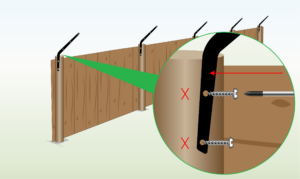
- Use wood screws to attach the brackets in the marked locations.
- Continue this process until the entire area is complete.
Method A – Step 4) Shorten Mesh
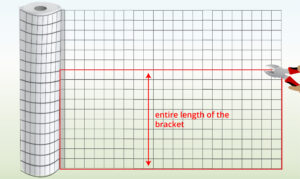
- Select a mesh roll with a height that matches the length of the brackets.
- If your mesh roll is taller, measure the length of the bracket and cut along the marked line using wire cutters.
Method A – Step 5) Secure Mesh to Brackets
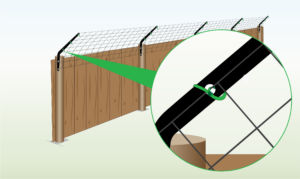
- Use cable ties to secure the mesh to the pre-drilled holes in the brackets.
- If there are no pre-drilled holes, loop the cable ties around the entire bracket instead.
Method A – Step 6) Attach Mesh to Wood
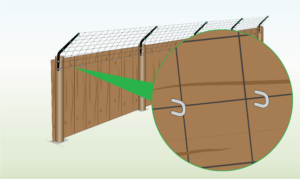
-
Attach the bottom of the mesh to the wood using staples placed at 15 cm intervals.
Method A – Step 7) Complete & Inspect
- Ensure you check the netting thoroughly for any weak spots to eliminate gaps or wiggle room.
Method B – Step 1) Calculate Number of Brackets
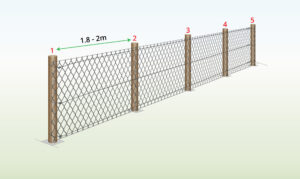
- Method B on how to stop dog from jumping over a fence: it is recommended to use one bracket for each post.
- Typically, it is recommended to place a bracket at intervals of approximately 2 meters.
Method B – Step 2) Measure & Mark Bracket Spacing
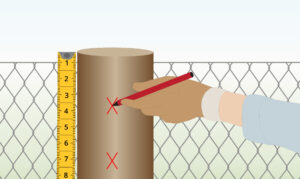
- Use a tape measure to mark where the brackets should be attached to the fencing.
Method B – Step 3) Fix Brackets
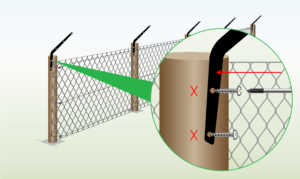
- Use wood screws to attach the brackets in the marked locations.
-
Continue this process until you complete the whole area.
Method B – Step 4) Cut Mesh
- Choose a mesh roll with a height matching the length of the brackets.
- If the mesh roll is taller, measure the length of the bracket, mark the line, and cut using wire cutters.
Method B – Step 5) Attach Mesh to Brackets
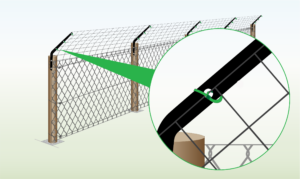
- Use cable ties to attach the mesh to the pre-drilled holes in the brackets.
- If there aren’t any, loop the cable ties around the entire bracket instead.
Method B – Step 6) Secure Mesh to Chain Link
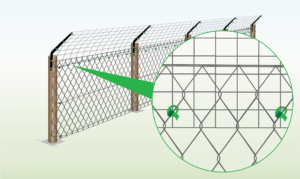
- Use cable ties or wire ties, spaced 15 cm apart, to secure the bottom of the mesh to the fence.
Method B – Step 7) Finish Fence Run & Inspect
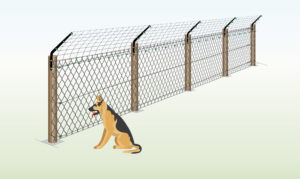
- Ensure thorough inspection of the netting for any weak spots.
Tips
- Consider rights, approvals from neighbors, and regulatory obligations before making changes.
- Choose fencing that is at least 180 cm (6 ft) tall, or extend your current fencing if it is shorter.
- Use solid fencing to deter your canine from seeing and chasing small animals.
- A cheap way to keep dog from jumping fence is to remove objects that could allow it to climb over.
- Consider using microchips, a collar ID tag, or tracking devices; and also keep an eye on your dog.
Dos
-
Regular exercise and teamwork during dog walks prevent issues from boredom or loneliness.
- Play often and create a playful environment.
- Obedience training is essential in many cases.
-
Consider both your dog’s breed and personality when making decisions.
Don’ts
-
Avoid invisible or electric fences due to the time and training required for your canine to learn their boundaries.
- Avoid yelling or using frightening devices like electric collars or fences.
-
Punishment tools can harm your bond with your dog and may cause issues like anxiety and aggression, so it’s best to avoid them.
FURTHER READING
- How to Cut Wire Netting – Learn how to cut wire netting using different methods.
- How to Cut a Chain Link Fence – Learn how to cut chain link using different methods.
- How to Attach Welded Mesh to Different Posts and Materials – Step by step instructions on how to attach welded mesh to different materials.
- How to Keep Dogs From Digging Under a Fence – A guide showing you how to keep dogs from digging under a fence.


Published by

Thanks for the tutorial. What kind of brackets are these? Thanks!
Hi Michelle,
You’re most welcome, glad you found our tutorial helpful! ☺️
You can find them as “angled fence brackets” or “cat proofing fence brackets” (as they are most commonly used for cats). Please see search results on Amazon: https://www.amazon.co.uk/s?k=angled+fence+bracket&crid=3MS44YWXB23MI&sprefix=angled+fence+bracket%2Caps%2C170&ref=nb_sb_noss_1
Also, “barbed wire brackets” work as well, you can find these on Amazon too: https://www.amazon.co.uk/SCORPIO-HARDWARE-Barbed-Brackets-Galvanised/dp/B0DFH8M3B2/ref=sr_1_5?crid=FXN6GB6WWG3R&dib=eyJ2IjoiMSJ9.YwQ8xXecoircT2lcaqQEfkoZb7A7GoztootoQ7whQwWTjQ016damqB7kPZE71wpSpOyhUlmZDuv_CIUS0maDXr90Gn5Bxhr24FZZjxTa8c0DPazu3PNYmW1ZDwPewtcGelDw8W869j77fbV8An1ZvaESEtQz8dYCaK6_wDVHVzqwQOuSZOsJnEs63iVADvBAtrquhQGVqZs6hN2CUOOKCbGYDlLS89oElLvTXBdSFfM.3TSY0-9dJ_Ltbu-241ryj6yp6YJkIuHs8Lg_RQJVdCg&dib_tag=se&keywords=barbed+wire+fence+brackets&qid=1786372420&s=diy&sprefix=barbed+wire+fence+brackets%2Cdiy%2C188&sr=1-5 .
The barbed wire brackets are typically made to be sturdier but also a bit shorter, so it depends on the fence height and your dog’s personality whether you need more length or strength for these brackets.
Our colleague also tried using simple shelf brackets for cat proofing her fence, without any complaints over the past few years, so that may also be a suitable option if it’s more readily available in your area. Please see the blog post where she wrote about this method here: https://www.wirefence.co.uk/diy-cat-proof-fence/
Hope this is helpful and please let me know if you have any follow-up questions about the brackets or dog proofing your fence in general!
Kind regards,
Joy