

What is Geotextile?

Geotextiles are flexible, porous fabrics made from synthetic fibers like polypropylene or polyester, usually supplied in large rolls.
WHAT IT’S USED FOR
Separation

- Stops different types of soil or materials from mixing, helping each layer stay in place.
- Example: Keeping gravel from sinking into soft clay.
Stabilisation
- They help reduce movement between soil particles, making the ground firmer and more reliable.
- Example: Improving soft ground so it can support a building foundation.
Drainage
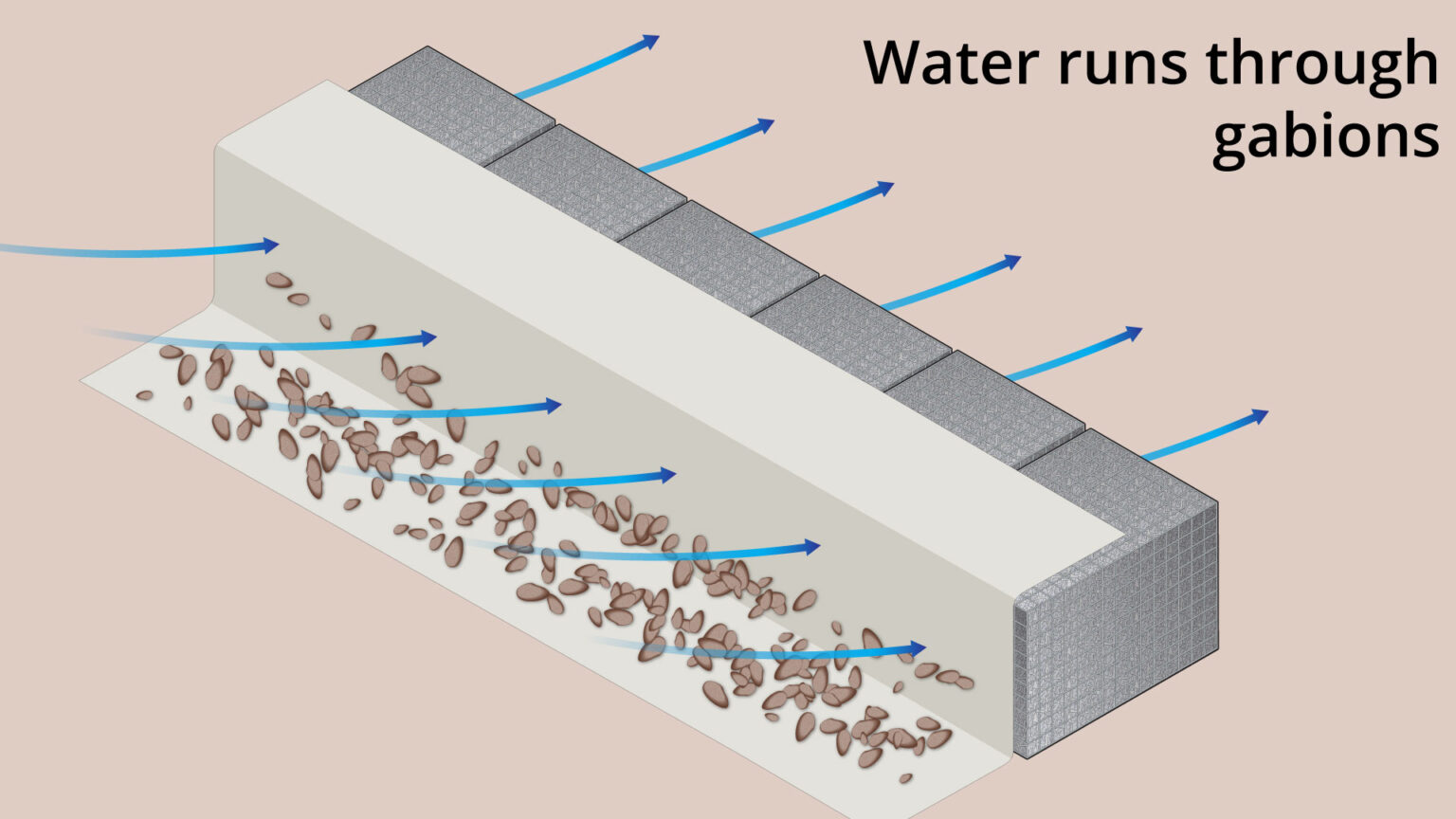
- They allow water to flow through or along them, helping to remove excess water efficiently.
- Example: Draining water along a road or behind a wall to prevent water buildup.
Filtration
- They allow water to pass through while holding back fine soil particles, keeping the soil stable.
- Example: Letting water drain from soil behind a retaining wall without losing soil.
Reinforcement
- They add strength to the soil, helping it support heavier loads and improving overall stability.
- Example: Strengthening soil under an embankment or road to carry traffic loads.
Protection
- They are used as a protective layer to prevent damage, erosion, and the movement of soil or fine materials.
- Example: Can be placed under gravel to protect the layer underneath from sharp stones.
Material Type
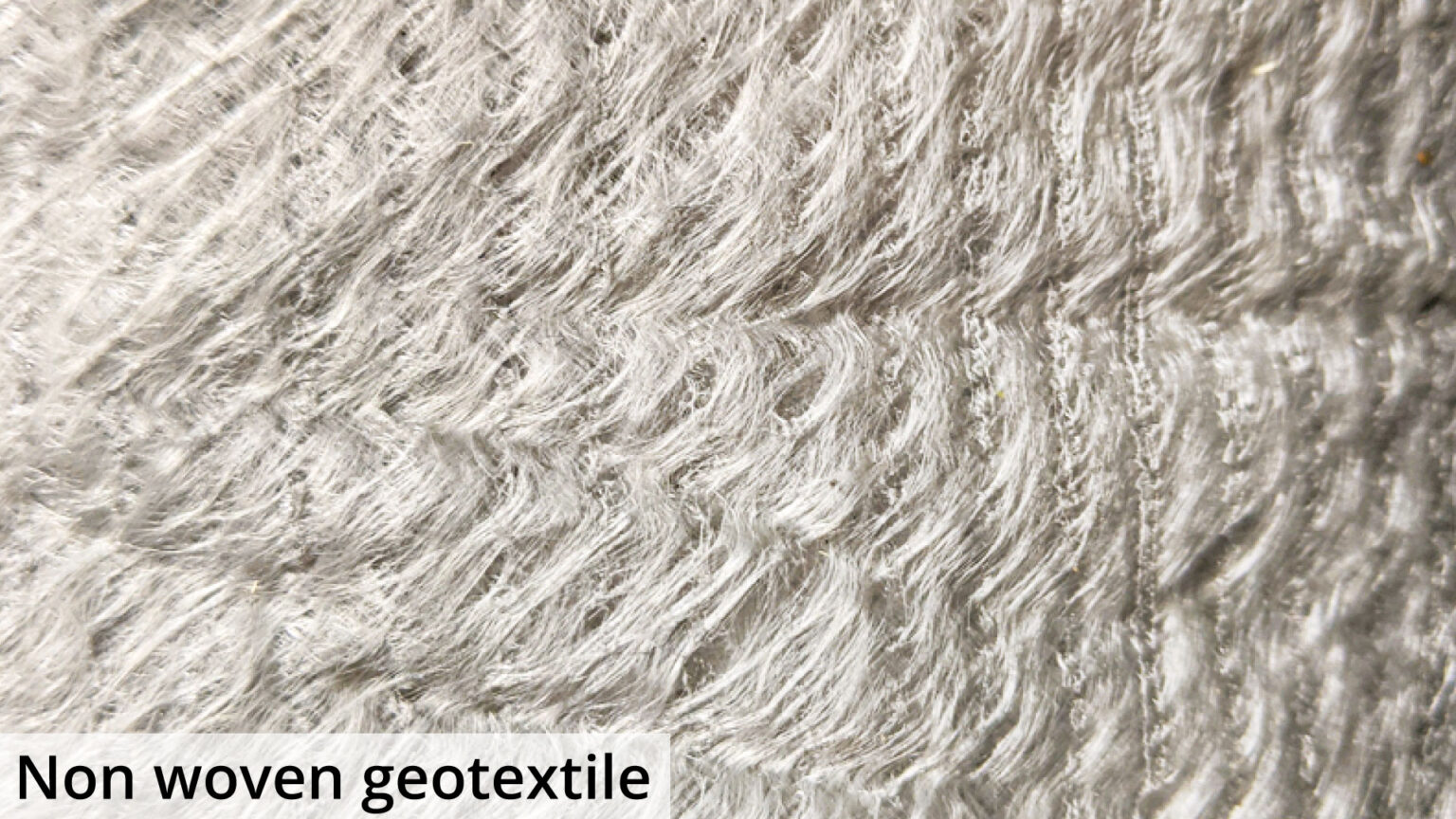
- Woven: stronger and more durable, but they drain poorly. They are used for reinforcement, road building and driveways.
- Non-woven: smoother, and allow better water flow. They are used for filtration, drainage, landscaping, and gardening.
HOW TO CALCULATE
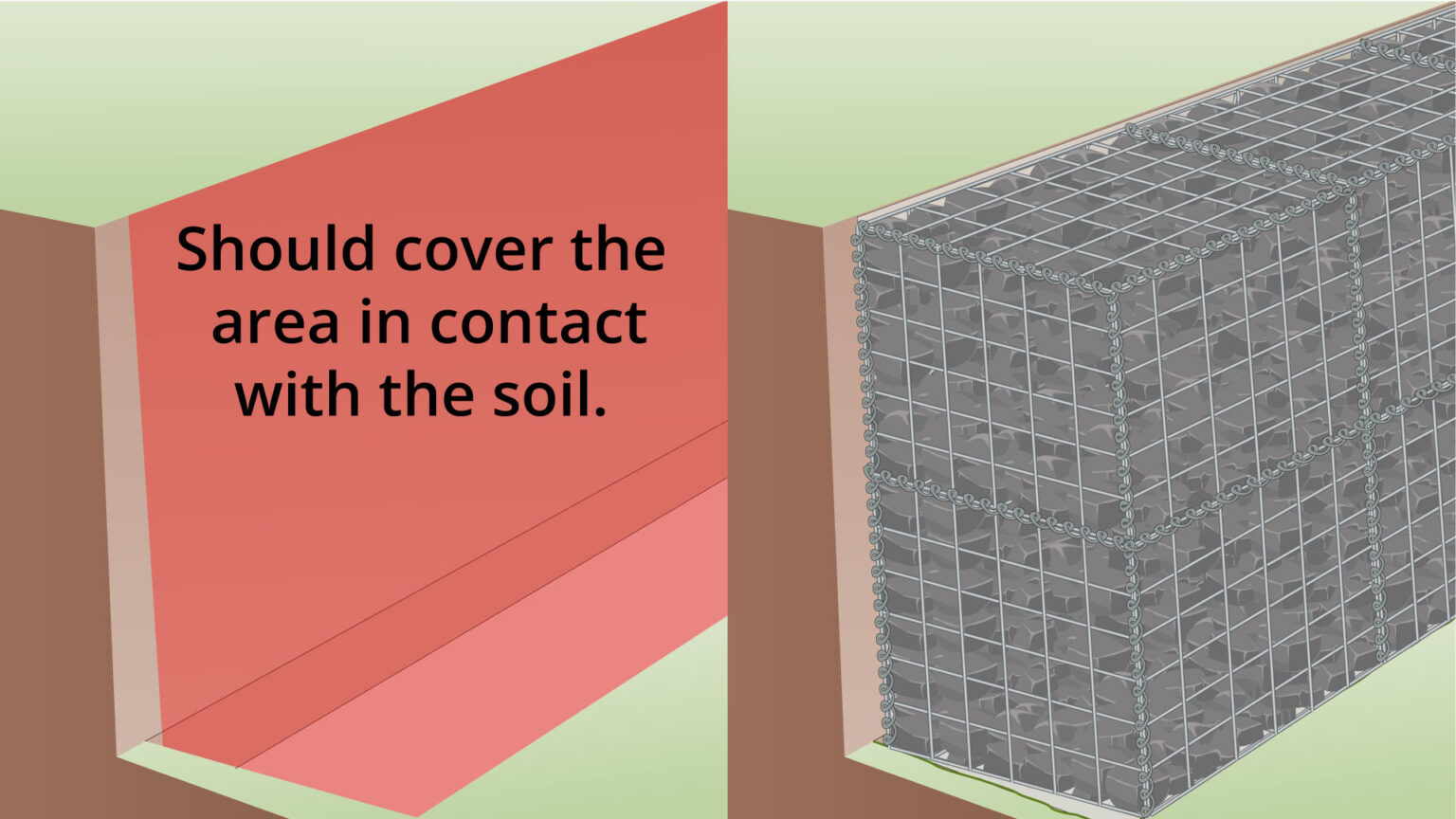
- Geotextile should cover all areas in contact with soil, including the bottom of the gabions and the rear surfaces when used as a retaining wall.
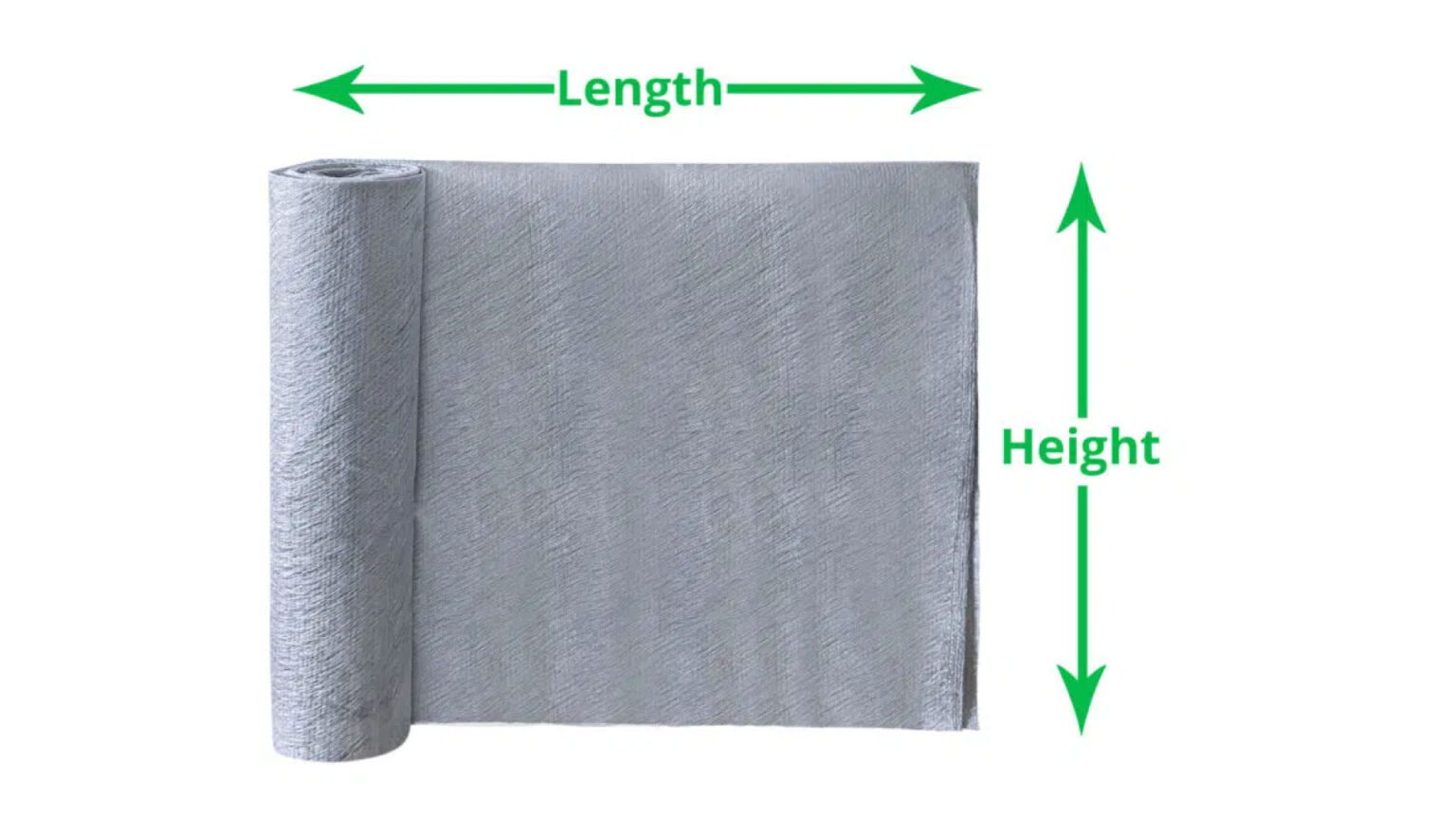
- They are supplied in rolls, with each roll having a length and a height measured in meters.
- To find the total area (in square meters), multiply the length by the height.
- Example: A 10m × 4.5m geotextile roll covers an area of 45m².
HOW TO INSTALL
- Experience Required: Low
- Tools Required: Protection gloves, Spade, Spirit level, Utility knife
- Materials Required: Geotextile, Gravel
Step 1) Prepare the Area
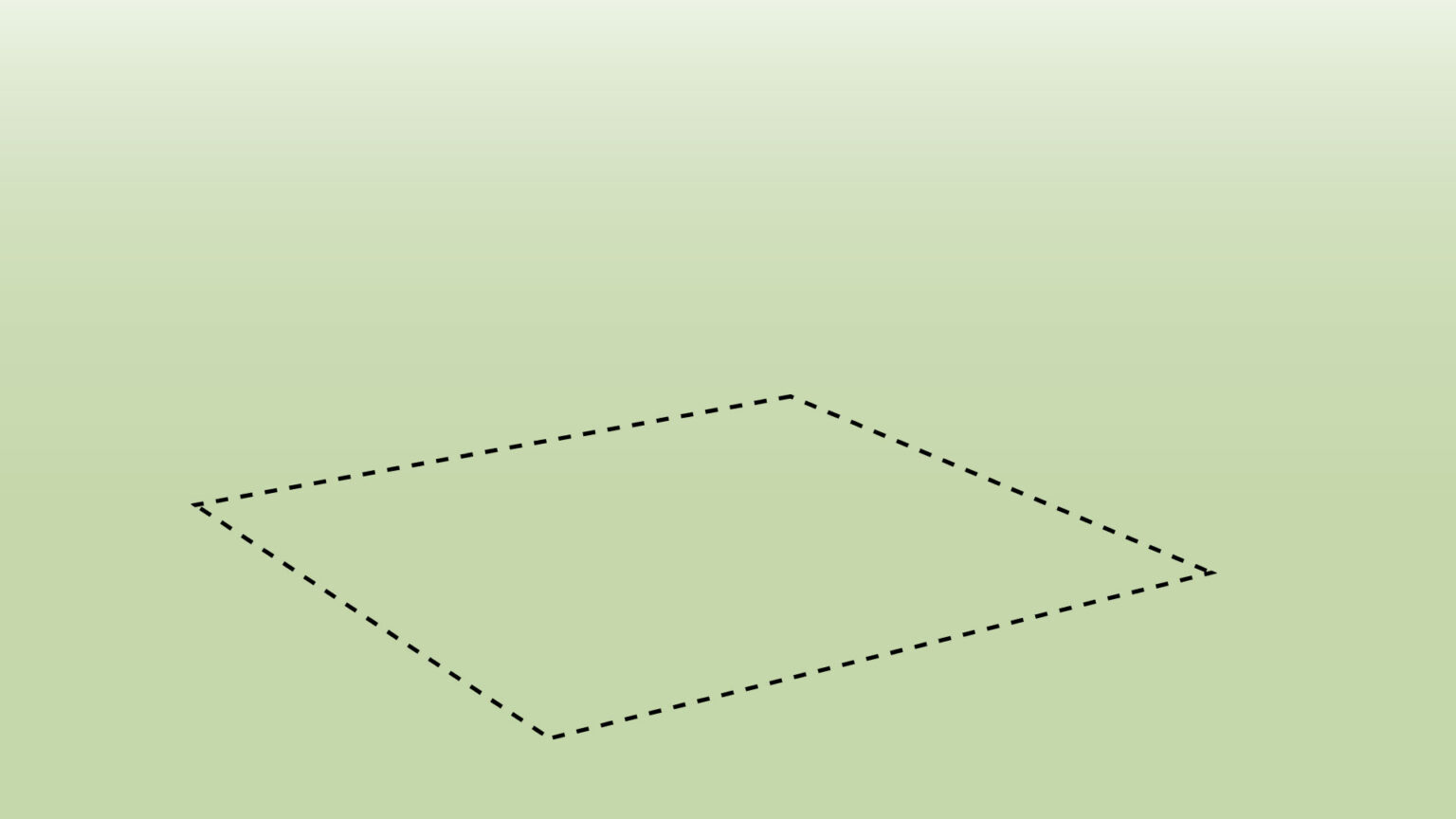
- Prepare the subgrade properly. Remove sharp objects, roots, rocks, and other debris to prevent punctures.
- The surface should be clean and smooth, with all large stones, roots, and foreign materials removed.
Step 2) Dig & Level the Ground
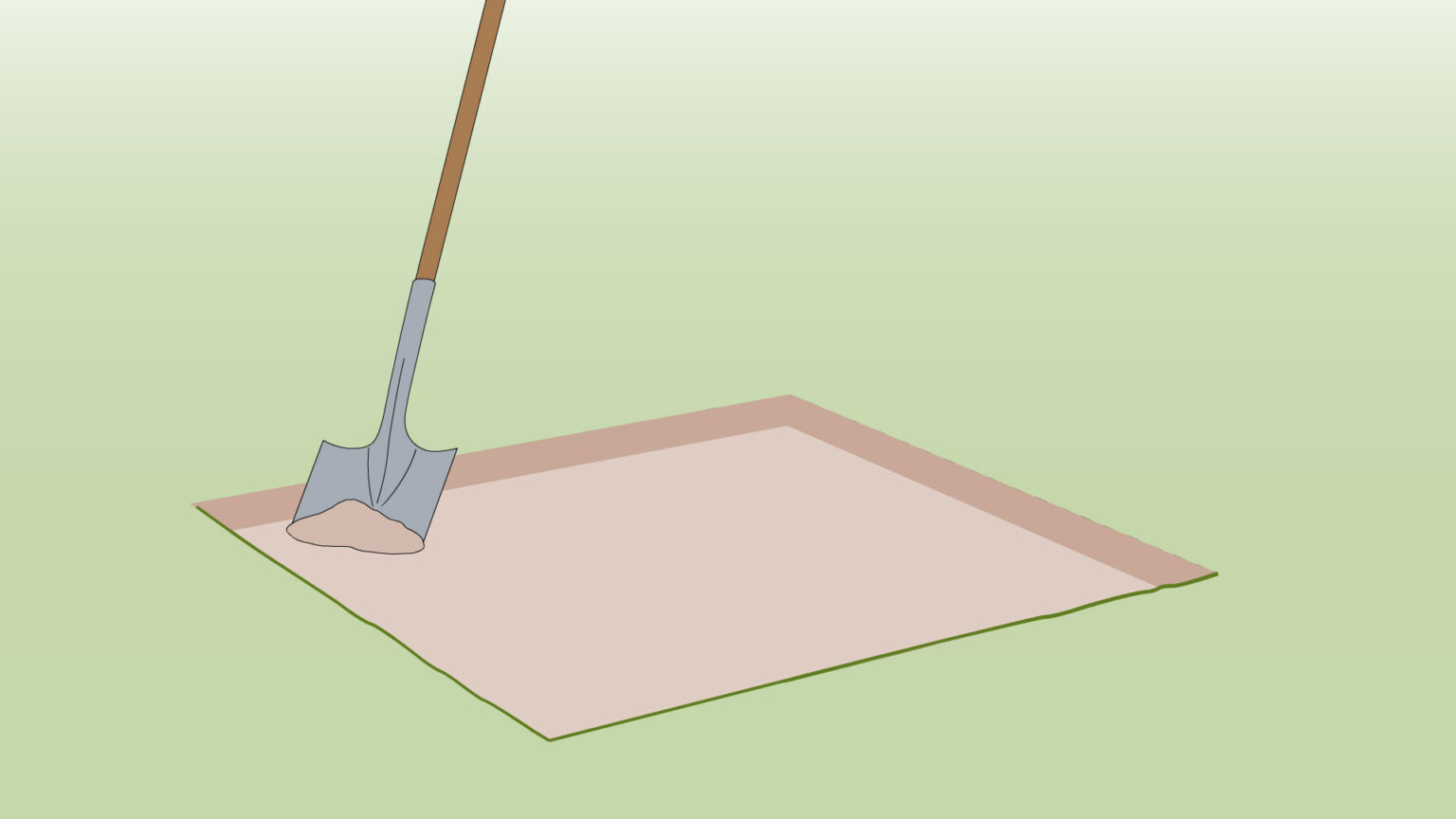
- Dig a base.
- Level the ground to remove uneven areas that could cause the fabric to shift.
- For drainage, create a 1–2% slope to guide water flow, if needed.
Step 3) Position the Geotextile
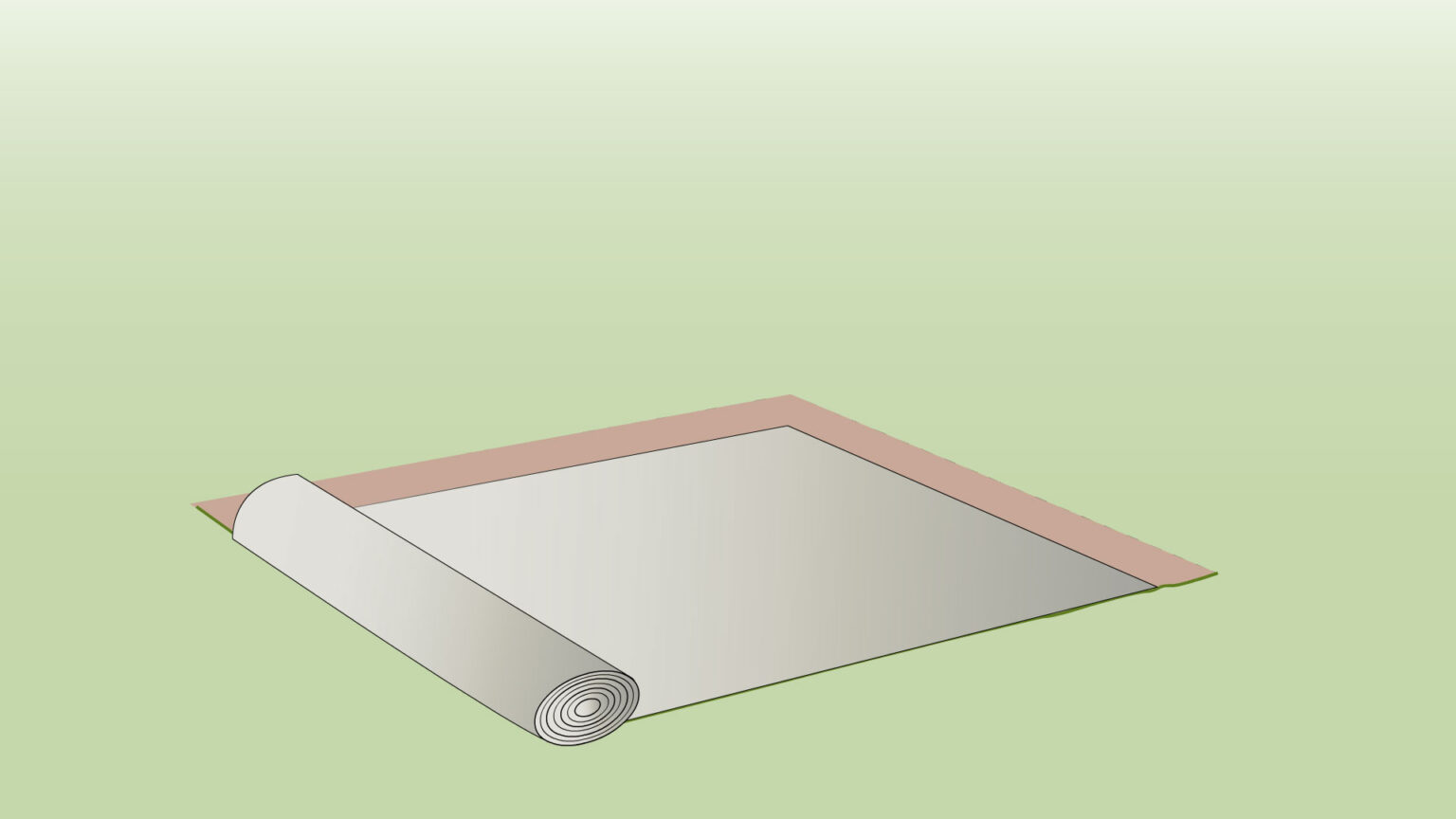
- Start rolling out the fabric carefully.
- Lay it horizontally over the prepared surface, making sure it follows the terrain.
- Keep it taut, with no wrinkles or folds.
Step 4) Cut to Size
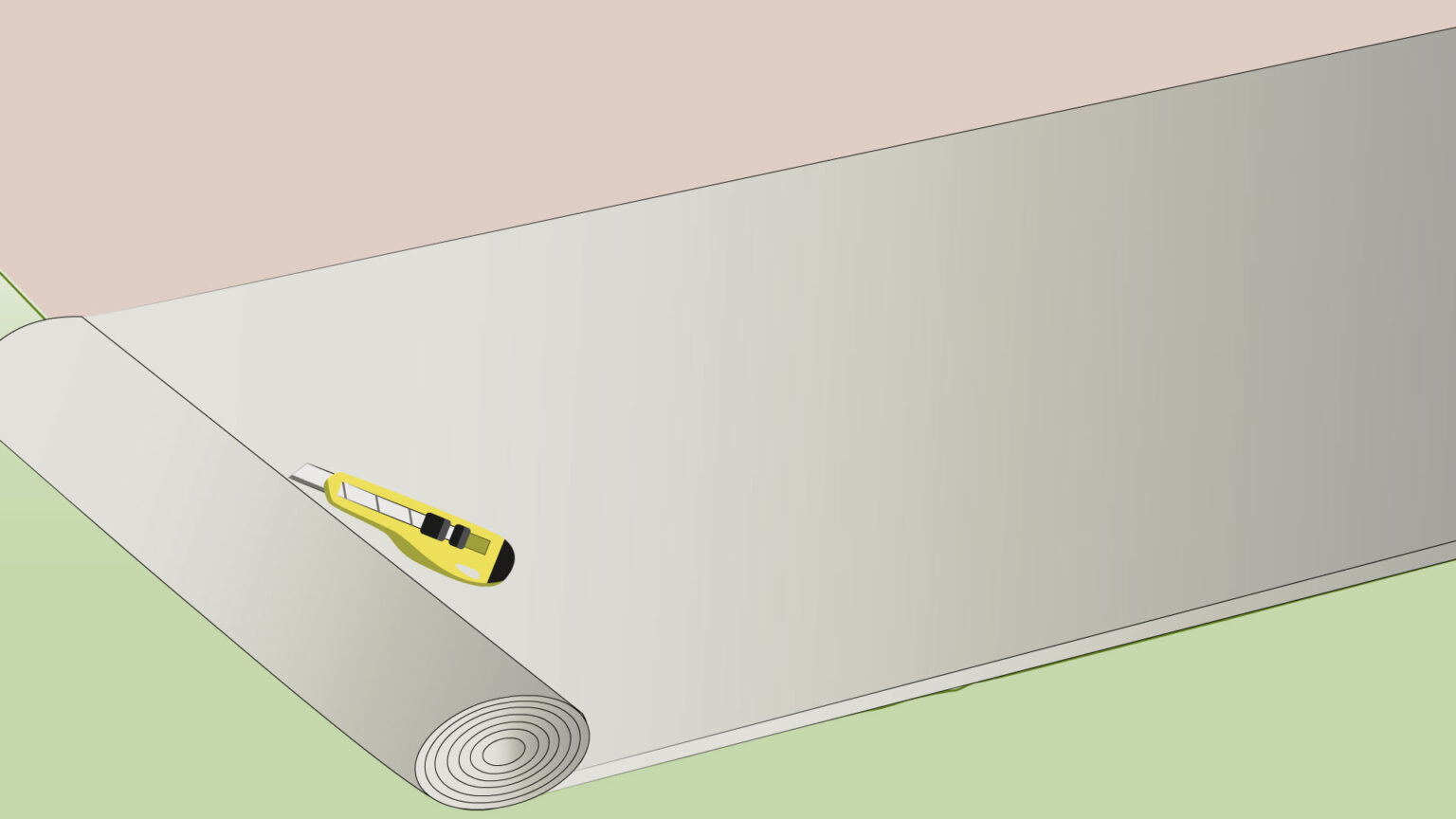
- Use a utility knife or sharp scissors to make small, precise cuts.
Step 5) Overlapping Fabric
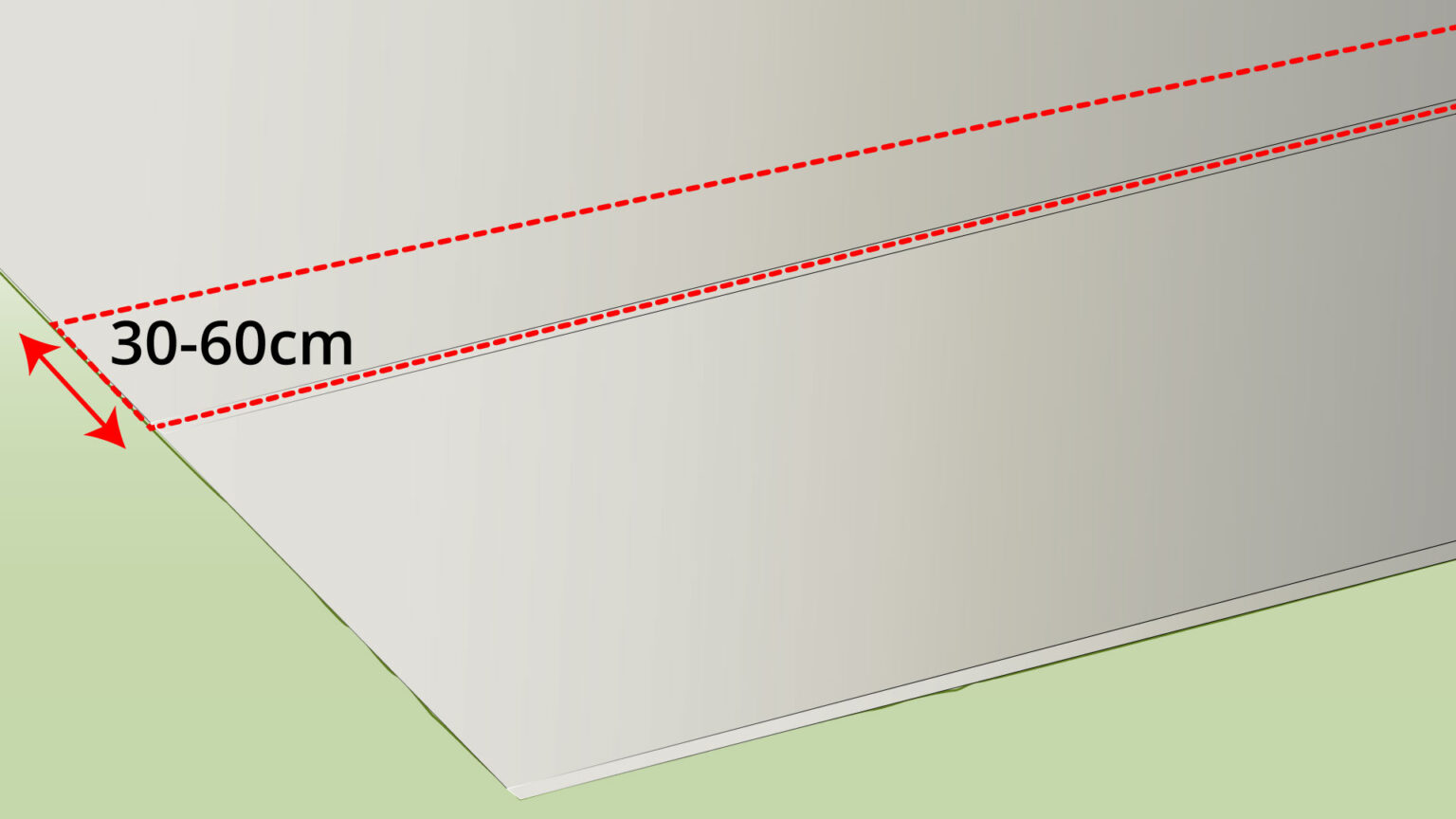
- When joining geotextile, overlap by 30-60 cm, depending on soil conditions.
- For larger projects, use a greater overlap.
Step 6) Add Top Layer
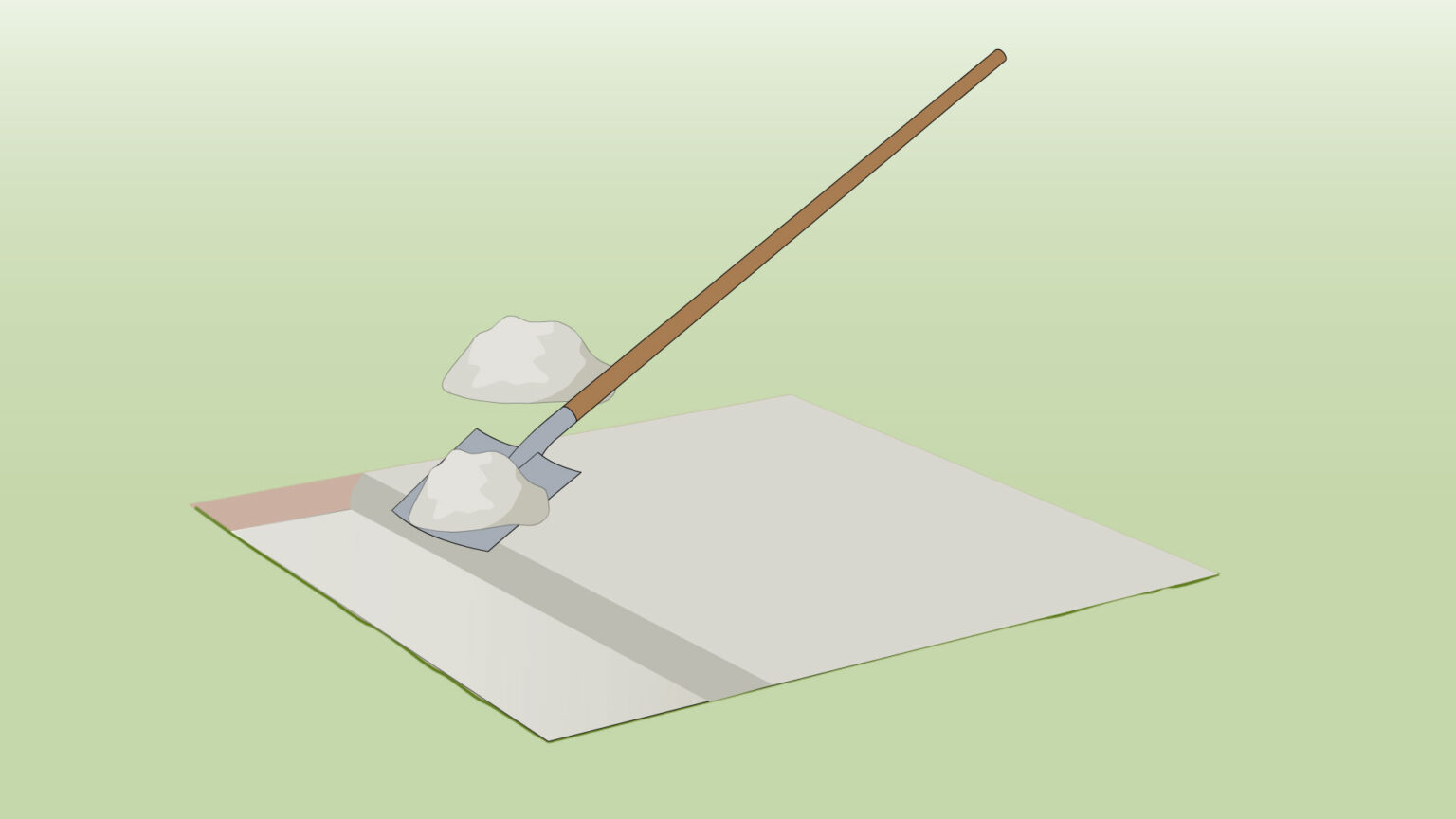
- After placing the geofabric, add the upper layers such as gravel basecourse.
- Spread the material evenly to prevent the fabric from shifting.
Alternative: Vertical Application
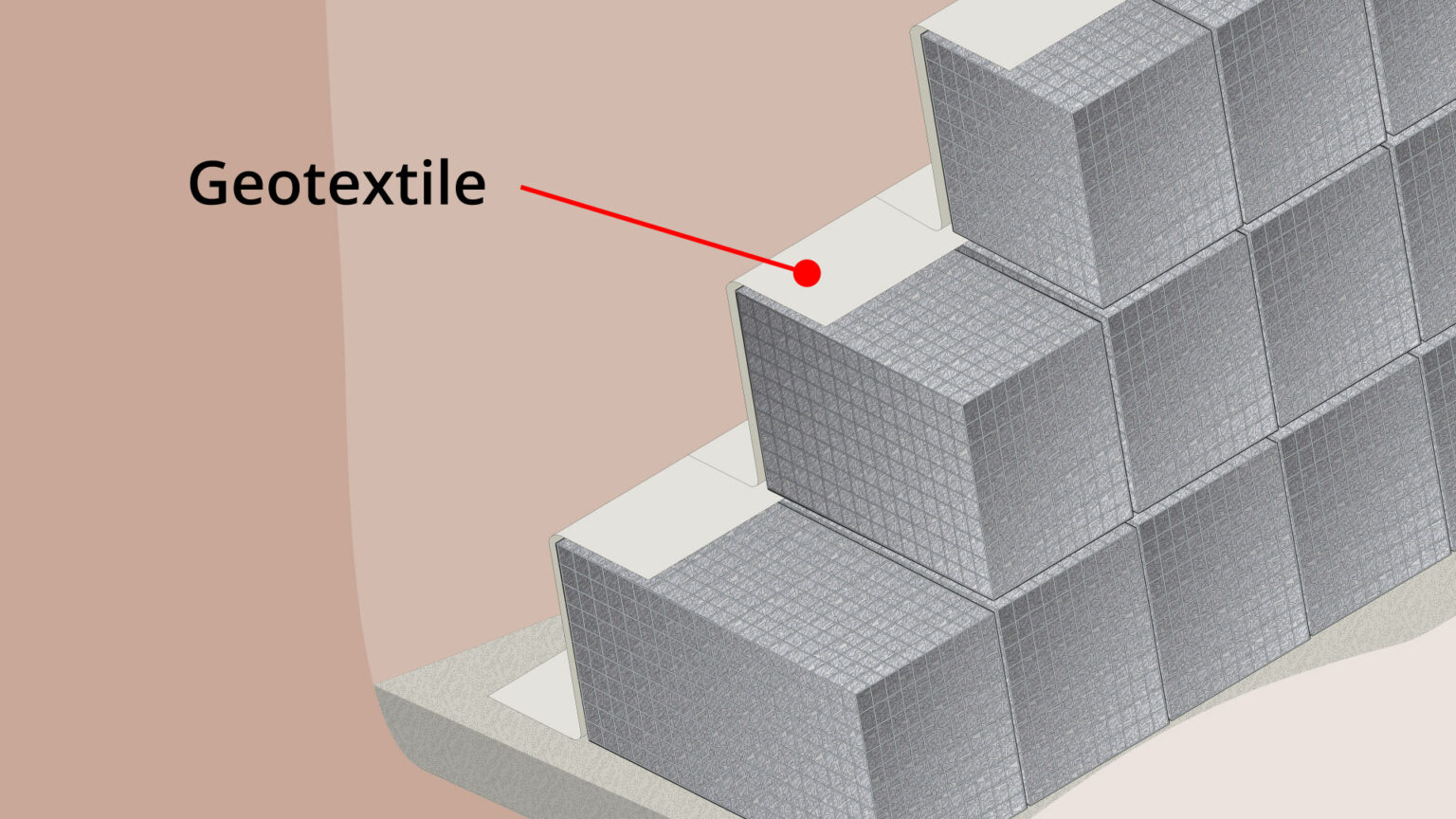
- For vertical uses, like retaining walls, place the geotextile between the wall and the gabions.
FURTHER TIPS & READING
Further Tips
- For horizontal use, lay the geotextile flat on the soil with proper overlap to separate and stabilise the base layer.
- For vertical use, such as retaining walls, install it behind structures like gabions to allow drainage while preventing clogging.
- Dig and compact the base if the ground is soft or the structure will carry heavy loads.
- Geotextile is usually installed under gravel to stop it from sinking into the soil and to create a stable foundation. When placed above gravel, it mainly works as a separator, keeping layers clean rather than adding strength.
- Fix the fabric with pins or staples if necessary, as wind can shift it easily.
- Increase overlap on uneven ground for better performance.
- Avoid folds or gaps under the fabric, as they reduce its effectiveness.
- Correct installation can extend the lifespan of a structure by many years, while poor installation can make it ineffective. The material is only part of the system: correct installation is just as important.
- If you need geotextile, you can purchase it from our shop
FURTHER READING
- What is a Gabion? – Learn what a gabion is.
- How to Install Gabion Baskets – Step by step instructions for gabion basket installation.
- How to Fill Gabions – A simple guide to filling gabion baskets.
VIDEO


Published by
